



The Legacy of Palm Jumeirah: Setting the Standard
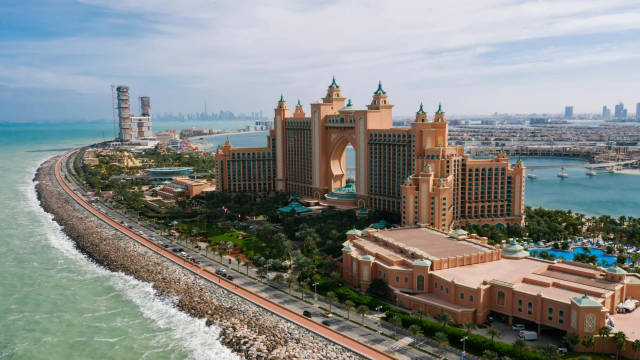
The inception of Palm Jumeirah marked a turning point in Dubai's real estate landscape, establishing it as a global powerhouse for luxury living on artificial islands. Completed in 2006, the groundbreaking project transformed part of the Persian Gulf into a high-end residential and tourist mecca, becoming a signature of Dubai's ingenuity and bold vision. Spread over an area of nearly 5 square kilometers, Palm Jumeirah, with its unique palm leaf design, accommodates an intricate layout of luxury villas, opulent apartments, upscale hotels, and resorts. Each property offers breathtaking views of the Dubai coastline and unparalleled access to the Arabian Sea.

This iconic island serves as more than just a residential paradise; it is a bustling tourism and entertainment hotspot, with attractions like the Atlantis Hotel, various fine dining venues, and exclusive beach clubs lining its crescent. The Palm Jumeirah's infrastructure seamlessly integrates luxury with functionality, boasting a monorail system, a network of tunnels, and well-arranged roads to facilitate easy movement within the island. Over the years, the Palm Jumeirah has become a hallmark of Dubai's resilience and ambition, standing as a prime investment destination and a testament to how creative engineering can transform imagination into reality.
Despite competitors emerging with their own artificial islands, Palm Jumeirah remains an attractive proposition for investors worldwide. Its real estate market shows strong returns on investment, owing largely to its global reputation, prime location, and the consistent quality of its offerings. Properties on the Palm are synonymous with prestige, and ownership carries with it a cachet that is recognized around the world. The island's mature ecosystem, marked by lush landscaping and carefully maintained infrastructure, provides an exceptional living experience, prompting ongoing allure for high-net-worth individuals and expats seeking an address that blends luxury with world-class amenities.

Palm Jebel Ali: Reimagining the Dubai Coastline
Emerging from the success of its predecessor, Palm Jebel Ali is set to redefine coastal living with a focus on grandeur and sustainability. Slated for completion in the coming years, this expansive development spans approximately 50 percent larger than Palm Jumeirah, harnessing advanced engineering to offer a diverse array of living experiences. The vision for Palm Jebel Ali goes beyond residential luxury, incorporating a variety of artificial entertainment zones, business districts, and coastal lagoons that aim to create a holistic and vibrant community. The development is designed to become an emblem of architectural innovation and environment-conscious planning.
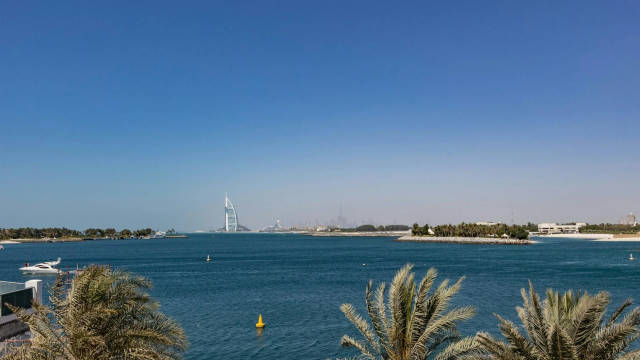
Palm Jebel Ali is tailored to cater to a broader demographic, with offerings that range from magnificent beachfront villas to lavish penthouses, all designed with a commitment to sustainability and luxury. Unlike Palm Jumeirah, this new island emphasizes environmentally friendly practices by incorporating water-saving landscaping, energy-efficient buildings, and renewable energy sources. Developers have integrated expansive green spaces into the plan, complementing the island’s existing natural resources, to create a sense of tranquility and ecological harmony. The aim is to foster a balanced and engaging lifestyle that respects the surrounding environment while indulging the desires of modern-day luxury living.
A testament to Dubai’s ongoing commitment to diversifying its attractions, Palm Jebel Ali is not just about residences. It is poised to become a hub for entertainment and leisure, with plans for world-class attractions, expansive retail spaces, and dedicated artistic quarters. The project's intricate planning ensures that each aspect of the island caters to the needs of its residents and visitors, offering a unique blend of relaxation and excitement. With a harbor that can accommodate a wide range of vessels, Palm Jebel Ali reinforces Dubai’s status as a nautical destination, enticing maritime enthusiasts and providing robust hospitality offerings for globetrotters seeking a distinctive waterfront experience.

Dubai Islands: The New Frontier of Leisure and Luxury
Dubai Islands, another crowning jewel in Dubai’s collection of man-made archipelagos, is transforming the waterfront real estate realm through its strategic focus on leisure and luxury. Envisioned to be a dream destination for tourists and residents alike, Dubai Islands intends to fuse the cultural richness of the region with modern luxury, thereby enhancing Dubai’s position as a premier lifestyle destination. This project is about crafting integrated living spaces where lifestyle, leisure, and business can intersect seamlessly, promoting a self-sustaining community that benefits from Dubai’s efficient infrastructure and innovative urban planning.
A glimpse into the master plan of Dubai Islands reveals an ambition to create a versatile living environment that melds natural beauty with state-of-the-art urban design. Predominantly, the islands will offer high-end residences, expansive beaches, and themed resorts catering to luxury and family experiences. At the heart of Dubai Islands is a cultural and shopping district, poised to become a major attraction for tourists worldwide. With its thoroughfare of designer boutiques and markets selling local artisanal products, it promises an immersive shopping experience unique to the region, marrying tradition with contemporary elegance.
Moreover, Dubai Islands emphasizes sustainable living through a well-rounded approach to development. Eco-friendly practices are encouraged, with an emphasis on maximizing greenery, conserving marine life, and ensuring construction complies with the latest environmental standards. This commitment extends to becoming a landmark for sustainability education and awareness, integrating ecological-orientated attractions and interactive exhibits. The overarching goal is to create a setting where residents can revel in luxury while nurturing an appreciation and stewardship of the natural environment, thus offering a lifestyle that resonates with global citizens seeking greener pastures without compromising on sophistication or convenience.
Comparative Analysis: Palm Jumeirah Vs. New Generations of Islands
When comparing the Palm Jumeirah with newer developments like Palm Jebel Ali and Dubai Islands, several distinctive differences and enhancements become apparent, most notably in their design philosophies and target lifestyles. Palm Jumeirah, with its classic allure and established infrastructure, caters predominantly to those seeking a sense of stability and prestige with a penchant for entertainment and leisure practically at their doorstep. It provides an enchanting escape emulating the tropical ambiance and exclusive privacy known to high-profile residents and celebrities alike, offering a more traditional yet still luxurious lifestyle.
Conversely, Palm Jebel Ali and Dubai Islands represent the transformative evolution of Dubai’s vision for future living spaces, characterized by deeper integration of technology and sustainability into everyday life. These newer projects not only embrace cutting-edge architectural design but also prioritize eco-conscious and innovative urban planning. They are tailored to cater to a broader spectrum of preferences, from family-friendly interactive spaces to vibrant communal areas aimed at cultivating a sense of community and connected living. This shift reflects a broader appeal to evolving lifestyle trends and demands that aspire to balance luxury, sustainability, and accessibility.
Ultimately, choosing between the iconic Palm Jumeirah and the new wave of artificial islands depends significantly on personal preferences and lifestyle aspirations. Palm Jumeirah remains a quintessential name in luxury living, a symbol of endurance and time-honored elegance while accommodating modern conveniences seamlessly into its framework. Meanwhile, Palm Jebel Ali and Dubai Islands symbolize future-forward living, offering innovative solutions for eco-friendly habitation and sustainability without sacrificing opulence. As Dubai continues to raise the benchmark for waterfront luxury, each island offers unique propositions, making it possible for potential buyers and investors to tailor their choices according to personal desires and ecological considerations.
Frequently Asked Questions
Q1. What sets Palm Jebel Ali and Dubai Islands apart from Palm Jumeirah?
Palm Jebel Ali and Dubai Islands emphasize sustainability and innovation with advanced features, whereas Palm Jumeirah offers established luxury and traditional allure.
Q2. Are there investment opportunities in the new Dubai Islands?
Yes, Dubai Islands present lucrative investment opportunities, offering a blend of high-end residential, leisure, and commercial properties.
Q3. Will Palm Jebel Ali have unique attractions?
Palm Jebel Ali aims to provide unique attractions, including entertainment zones, business districts, and eco-friendly living spaces.
Q4. How are these new developments promoting eco-friendliness?
Both Palm Jebel Ali and Dubai Islands incorporate eco-friendly practices like water-saving landscaping, energy-efficient buildings, and renewable energy sources.
Q5. Is Palm Jumeirah still a good investment?
Yes, Palm Jumeirah remains a prime investment location with strong ROI due to its global reputation and established infrastructure.