



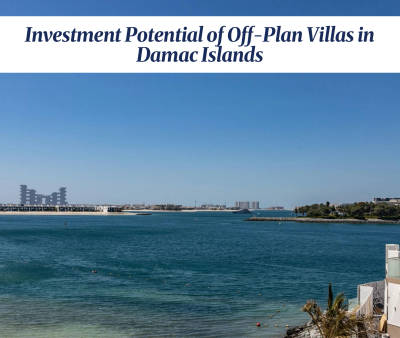

Overview of Dubai's Luxury Real Estate
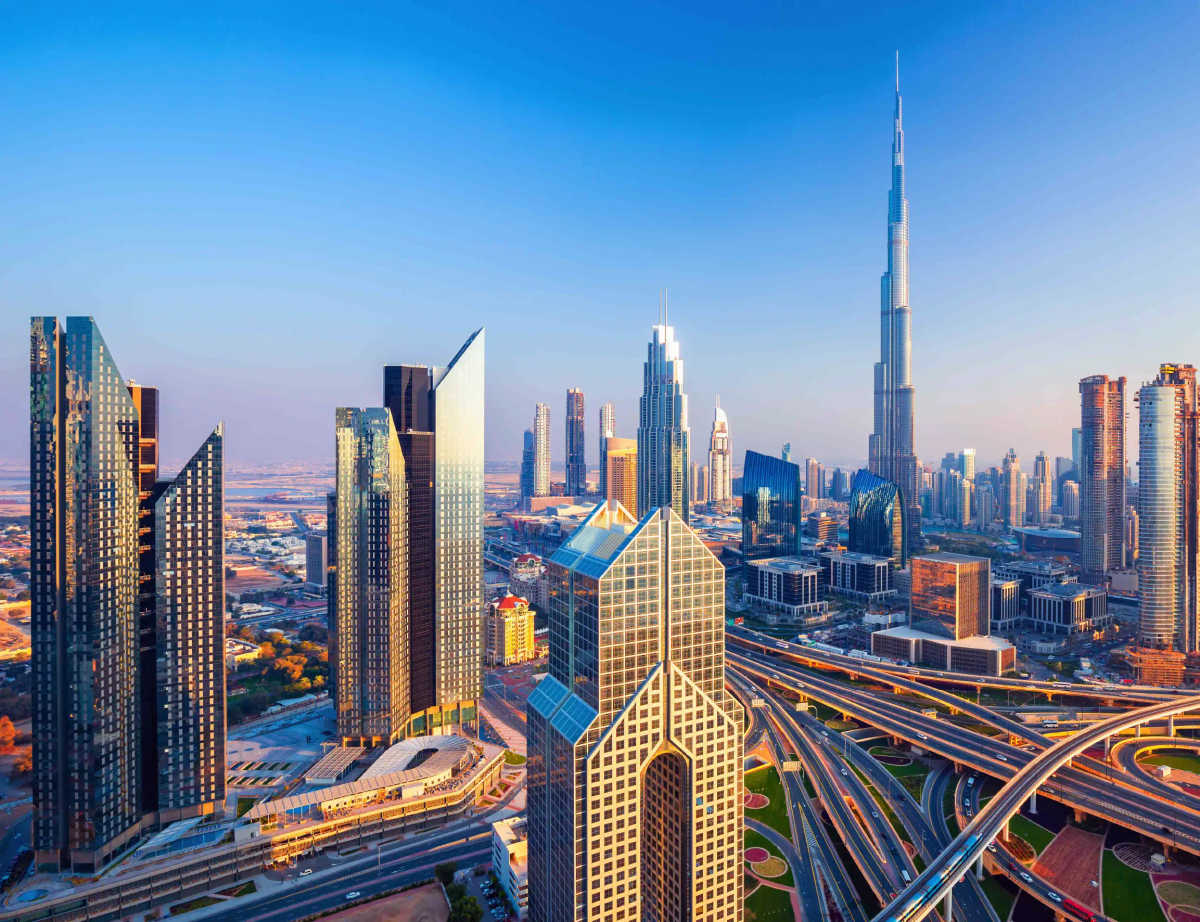
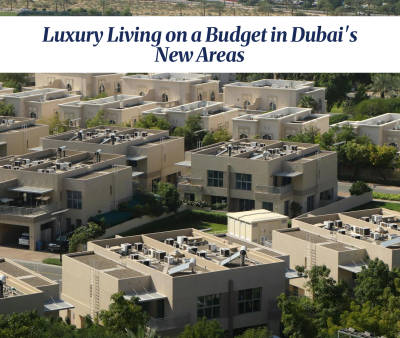
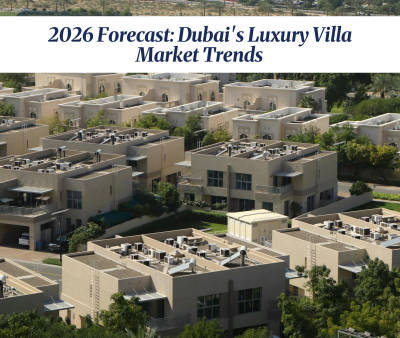
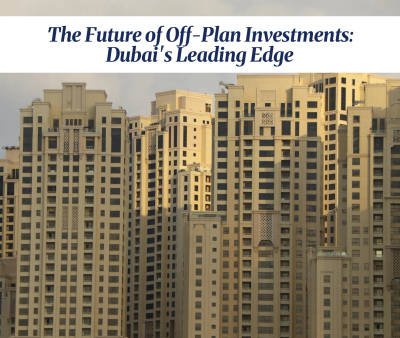
Dubai’s luxury real estate market is characterized by its unmatched opulence and cutting-edge architectural designs, attracting a global clientele that craves exclusivity and modernity. The city has become a playground for both seasoned investors and newcomers seeking an entry into one of the world's most sophisticated markets. Dubai offers a diverse range of properties, from sleek, ultra-modern penthouses in iconic skyscrapers like the Burj Khalifa to sprawling villas in Jumeirah and The Palm, each providing breathtaking views and state-of-the-art amenities designed to cater to the diverse preferences of its global audience.
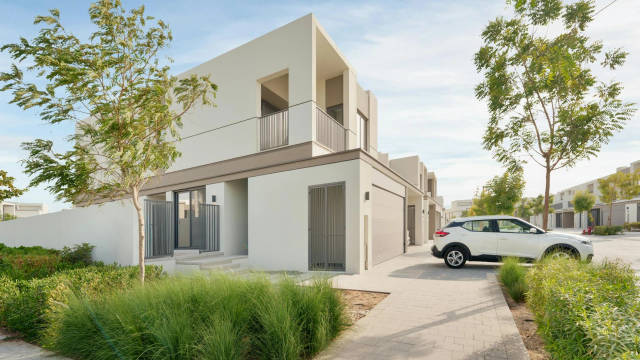
The government of Dubai has been proactive in creating an investor-friendly environment, with policies aimed at boosting foreign investment, such as long-term residence visas for property investors and the absence of property taxes. These initiatives have reinforced Dubai’s appeal as a haven for global investors seeking stable returns and high capital appreciation. Additionally, its strategic location as a business and travel hub further cements its role in the global real estate market, offering unrivaled connectivity and access which are major considerations for investors seeking to diversify their portfolios.
Moreover, Dubai's real estate market is buoyed by the broader economic landscape, which has remained resilient even amidst global uncertainties. With Expo 2026 being a significant catalyst, driving infrastructure development and enhancing the UAE's profile on the world stage, the future of Dubai's real estate market looks promising. This continuous evolution appeals particularly to investors who are interested in being part of a dynamic ecosystem that not only thrives on luxury but also on innovation and sustainability, making it an intriguing option for those looking to make high-stakes investments.
India's High-End Real Estate Landscape
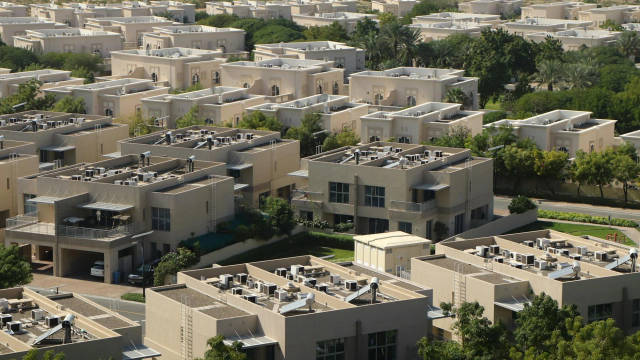
India's luxury real estate market presents a fascinating contrast to Dubai, steeped in a rich tapestry of cultural heritage combined with a burgeoning modern sector that attracts both domestic and international investors. Indian cities like Mumbai, Delhi NCR, and Bengaluru are the epicenters of luxury real estate, offering an eclectic blend of traditionally styled luxury homes and contemporary apartments that cater to diverse tastes and preferences. The market has witnessed a transformation over recent years due to economic growth, urbanization, and a greater influx of foreign investors capitalizing on relatively competitive prices compared to other international markets.
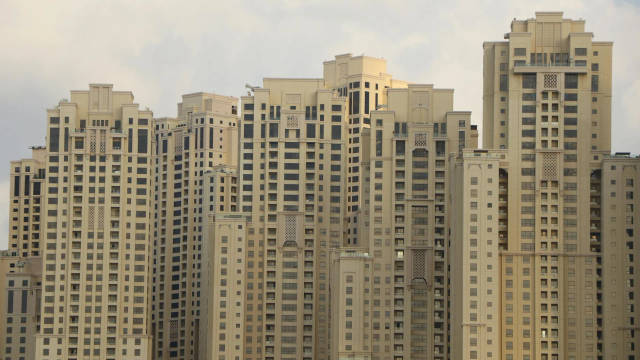
The appeal of Indian luxury real estate extends beyond mere physical attributes to represent an investment in the country’s burgeoning economy. With reforms aimed at improving transparency and ease of doing business, the Indian real estate market is becoming increasingly attractive to global investors. Initiatives such as the Real Estate (Regulation and Development) Act and the Goods and Services Tax have streamlined processes and instilled greater confidence among buyers. The burgeoning IT sector also fuels economic prosperity in prime cities, facilitating a concurrent rise in demand for high-end real estate among international corporate clients and expatriates.
In particular, India's luxury homes often come with unique architectural designs and features steeped in native patterns, presenting a compelling narrative for investors who appreciate cultural nuances and heritage-based design. Despite occasional market fluctuations, the potential for long-term growth remains significant, providing a diversified mix of properties ranging from beachfront villas in Goa to heritage bungalows in Jaipur, each offering a unique investment opportunity. Furthermore, developers are increasingly incorporating sustainable practices, with green buildings gaining prominence, adding another layer of appeal to India’s high-end real estate offerings.
Investment Considerations and Returns
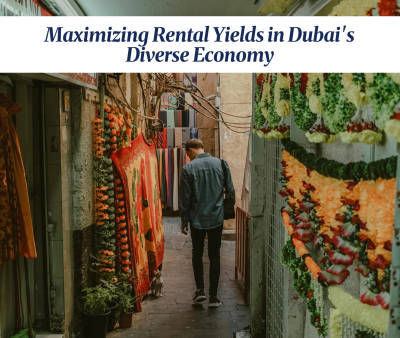
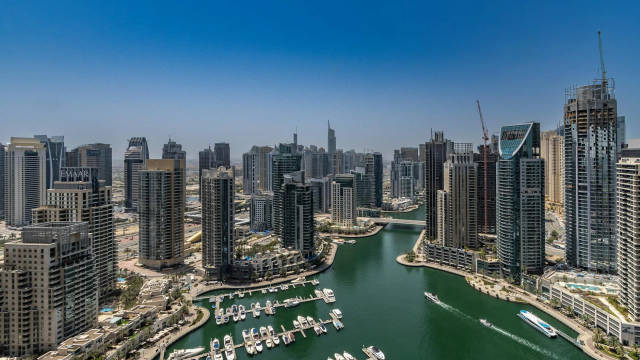
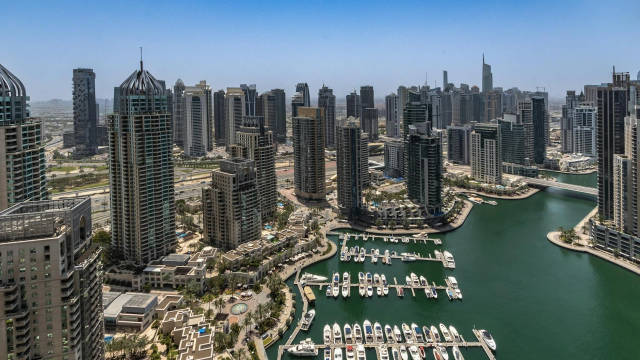
When assessing investment opportunities in Dubai's luxury real estate market, potential returns and growth prospects are among the primary considerations for global investors. Dubai's status as a tax-free environment significantly enhances investor returns, combined with the VAT capped at 5%, which remains one of the lowest globally. The city's rental yields are notably high, with prime locations like Downtown Dubai and the Dubai Marina offering lucrative returns on investment. Furthermore, the stability offered by the dirham, which is pegged to the robust US dollar, provides an added layer of financial security against currency fluctuations, enhancing Dubai's appeal as a stable investment destination.
In contrast, India's real estate market, while offering comparable potential for returns, brings with it a different suite of economic considerations. Despite being subjected to property tax, India compensates investors with competitive pricing for luxury real estate, coupled with a high appreciation potential driven by rapid urban development and a growing middle class. Investment hotspots such as Mumbai and Delhi not only promise capital growth but are also esteemed for their cultural heritage and commercial significance, ensuring a steady demand in these pivotal locations. The political stability and ongoing economic reforms further bolster investor confidence, projecting India as a robust candidate for long-term investment.
Both markets demand a deep understanding of the local dynamics and regulatory environments. While Dubai presents a more straightforward investment path with transparent processes, India requires a more nuanced approach owing to its complex land acquisition laws and diverse state regulations. However, the presence of joint ventures between local and international firms has made navigating the Indian real estate market easier, showcasing a promising landscape for those willing to commit long-term capital. Ultimately, the choice between Dubai and India largely hinges on individual investment goals and risk appetite, given the distinct advantages and challenges each market presents.
Lifestyle and Cultural Appeal
Dubai’s real estate offering is intrinsically linked to the city’s extravagant lifestyle, which spells an allure that extends beyond economic considerations. Known for its high-end shopping, fine dining experiences, and world-class entertainment venues, Dubai is tailored for those seeking a luxurious lifestyle. Its cosmopolitan ethos is underlined by a multicultural population, fostering a global culture that attracts expatriates and investors from across the world. Properties in Dubai are often equipped with luxurious amenities such as private beaches, golf courses, and exclusive membership clubs, enhancing the value proposition for investors interested in lifestyle returns alongside financial gains.
On the other hand, India’s luxury real estate market offers a distinct cultural richness that is deeply embedded in its properties and locations. From the historic palaces of Rajasthan repurposed into luxury hotels to the plush apartments overlooking iconic sites like the Gateway of India, the lifestyle appeal in India is unique, offering a deep connection to the country’s vibrant cultural heritage. Moreover, the burgeoning hub of arts, cuisine, and wellness retreats across various parts of the country underscore the holistic lifestyle benefits that are synonymous with high-end properties in India, making it an attractive prospect for culturally inclined investors.
The cultural and lifestyle aspects of owning luxury properties in these regions further emphasize the strategic appeal beyond financial returns. For investors with an affinity for modernity and opulence, Dubai’s advanced infrastructure, safety, and innovation-driven ethos make it a compelling proposition. Conversely, for those who appreciate a fusion of tradition and modern convenience, India offers a profound cultural experience alongside luxurious living. Understanding these lifestyle components is critical, as these elements invariably play a significant role in the overall investment decision-making process, influencing both short and long-term benefits.
Frequently Asked Questions
Q1. Which city offers better rental yields, Dubai or Indian cities?
Dubai often offers higher rental yields compared to Indian cities due to its tax-free status and prime locations with international appeal.
Q2. Is the luxury real estate market more stable in Dubai or India?
Dubai tends to offer a more stable market with fewer fluctuations, supported by government policies and a strong currency.
Q3. How do property prices compare between Dubai and Indian luxury markets?
Dubai generally has higher property prices than Indian luxury markets, which are relatively more competitive and varied in pricing.
Q4. What cultural advantages does each market offer?
Dubai provides a multicultural, luxurious lifestyle, while India offers culturally rich, historically themed properties appealing to heritage enthusiasts.
Q5. Are there any tax incentives for real estate investors in these regions?
Dubai offers a tax-free environment for property investors, whereas India imposes property taxes with recent reforms aimed at easing investments.