


Understanding the High-Rise Market
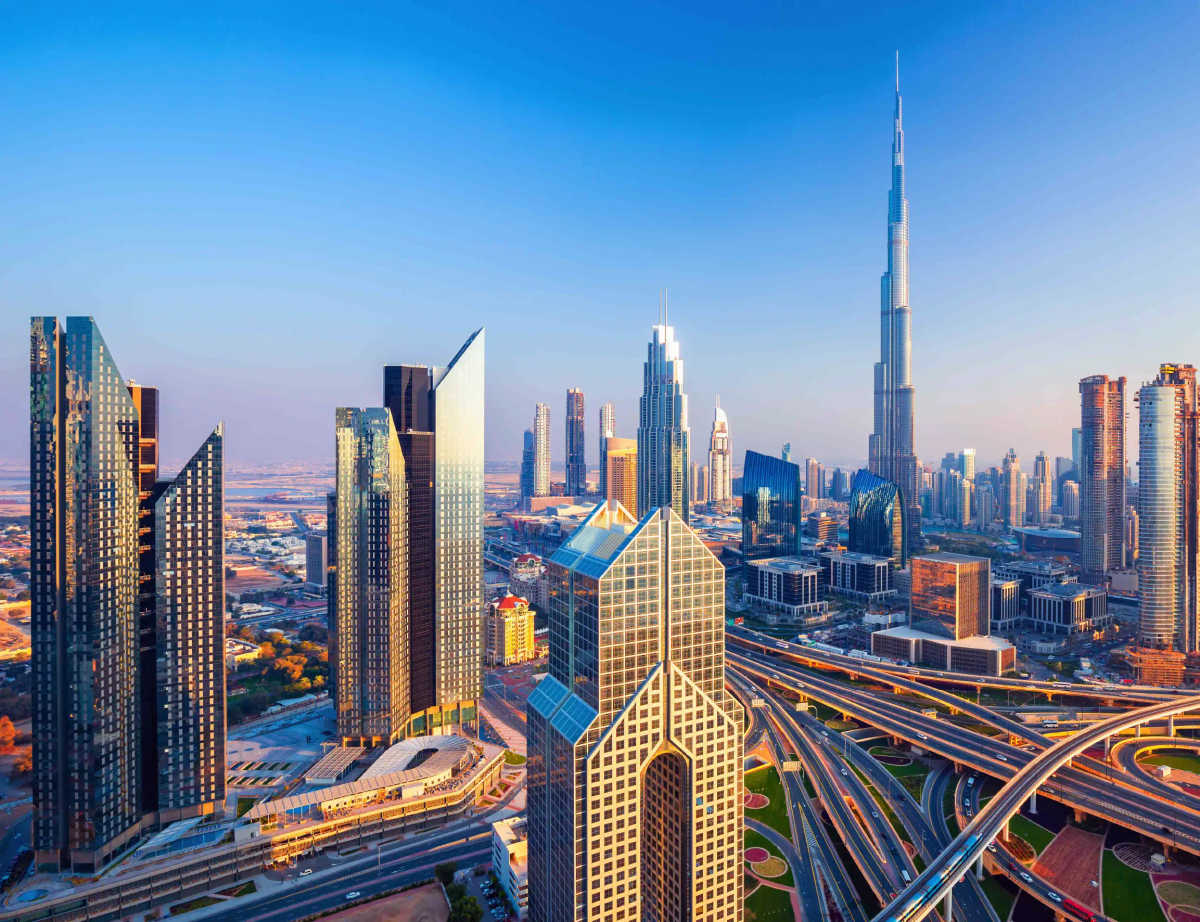
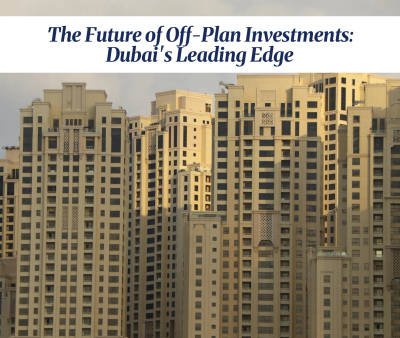
The high-rise market in Dubai is characterized by its iconic skyscrapers and breathtaking architectural feats that redefine luxury living. Located predominantly in the bustling areas of Downtown Dubai, Dubai Marina, and Business Bay, these high-rises offer breathtaking views and state-of-the-art amenities. They attract expatriates and professionals who seek convenience and lifestyle benefits, including proximity to major business hubs, shopping malls, and leisure facilities. Investors often find high-rise properties attractive due to their high rental yields and the continuous demand created by Dubai's status as a global business and tourism hub. However, engaging with this market requires an understanding of the fluctuating dynamics driven by supply and demand trends, as well as the need for strategic timing to capitalize on capital appreciation opportunities.

Additionally, high-rises often present a more accessible entry point for investors due to the range of unit sizes, from compact studio apartments to lavish penthouses. The flexible investment range makes it appealing for both small and large scale investors. The rental yields in high-rises are generally robust, offering consistent returns as demand remains steady among expatriates. However, investors must remain vigilant about service charges and maintenance costs, which can be significantly higher compared to villas. These costs impact the net return on investment and require careful consideration and management.
Location plays a critical role in determining the investment potential of high-rise buildings. Areas such as the financial district of DIFC and Sheikh Zayed Road's perimeter are renowned for their high occupancy rates and potential for yield growth. Meanwhile, developers continuously innovate to offer unique features such as integrated smart home systems and exclusive community benefits, amplifying tenant attraction. Despite these benefits, the potential for unanticipated market variables such as a glut in supply or macroeconomic shifts necessitates a strategic and exhaustive due diligence process by prospective investors. A calculated approach is essential to mitigate risks associated with regulatory changes or global economic influences, which could affect property values and demand patterns.

Advantages of Villa Investments
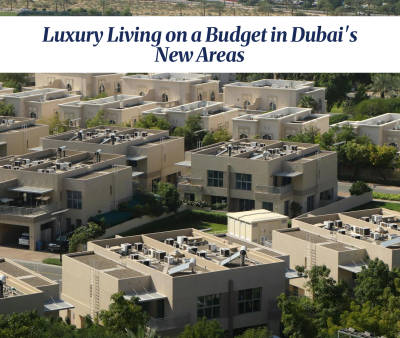
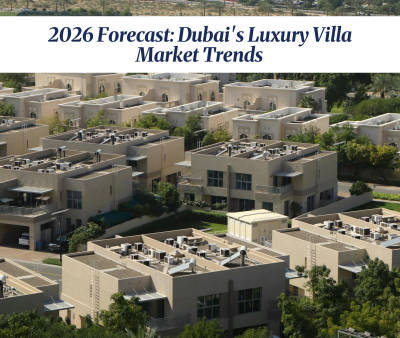
On the other end of the spectrum, villas in Dubai represent the pinnacle of luxury living, offering spacious layouts, privacy, and an exclusive lifestyle. These properties are largely concentrated in areas like Emirates Hills, Palm Jumeirah, and Arabian Ranches, which are synonymous with prestige and exclusivity. Villas enjoy high appreciation potential due to their limited availability and the consistent demand from high-net-worth individuals and families seeking expansive homes. Investors often prefer villas for long-term capital growth, positioning them as a hedge against market volatility. The exclusivity and scarcity of villas in key locations effectively boost their value over time, particularly as Dubai's land allocation prioritizes vertical development rather than horizontal expansion.
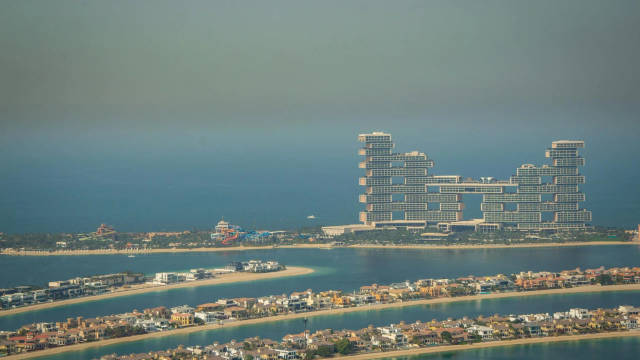
Unlike their high-rise counterparts, villas tend to attract end-users rather than transient tenants, ensuring more sustained property occupancy rates. Additionally, the demand for villas is underpinned by Dubai's favorable expatriate policies and tax-free environment, which consistently attract professional families and executives. For investors, villas typically involve higher initial capital outlay but offer the potential for significant returns when leveraged as long-term investments. The villa market's value proposition is further enhanced by community-centric developments that offer amenities such as private gardens, themed parks, and exclusive clubs, which cater to families desiring comprehensive lifestyle experiences.
Furthermore, the investment considerations for villas extend beyond current market trends to include factors such as property management requirements and community association fees. These operational aspects can influence net returns but are often offset by the villa's capital appreciation trajectory. Strategic considerations for villa investments also involve keen analysis of emerging suburban areas that are undergoing infrastructural development. Areas previously on the city's outskirts are becoming increasingly integrated into Dubai's expanding cosmopolitan scene, offering fresh opportunities for value generation. The intricacy of managing the balance between immediate rental income needs and long-term appreciation suggests that a diversified investment approach, incorporating both high-rise and villa assets, may optimize overall portfolio performance.

Analyzing Market Trends for Informed Investment
To successfully navigate the high-rise and villa markets, investors must be adept at analyzing wider market trends and patterns. High-rise investments are heavily influenced by the ever-fluctuating tourism and expatriate employment rates, which dictate rental demand. Data analytics and predictive modeling can provide insights into patterns of occupancy and vacancy that dictate rental price trends. Monitoring trends in tourism numbers and employment figures is crucial, alongside staying informed about new developments that could affect competition. As Dubai continues on its resilient post-pandemic recovery, understanding macroeconomic indicators will be pivotal in assessing high-rise investment viability.
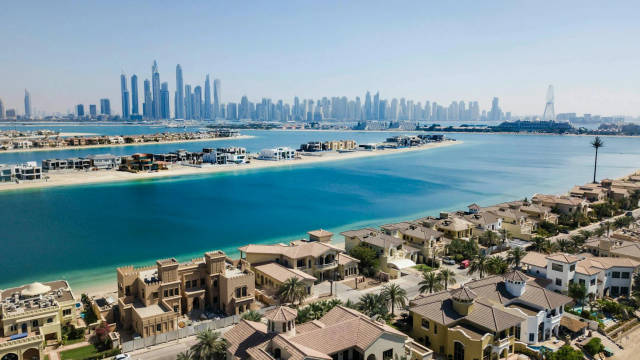
Conversely, the villa market's performance is closely tied to broader economic health and luxury market sentiments. Luxury property investors are encouraged to consider governmental urban development plans and infrastructure investments as indicators of future appreciation potential. The recent stream of government incentives aiming to foster a digital and green economy have potential long-term benefits for villa properties located in eco-conscious developments. Additionally, changes in residency visa policies and the introduction of retirement visas are leading to increased interest from families and retirees seeking long-term settlements, impacting villa demand.
An in-depth understanding of demographic trends, such as the growing preference for more spacious living post-COVID-19, should also point investors toward market shifts. Supply chain constraints and construction material cost increments may influence new project timelines and should be factored into risk assessments. Efficiently interpreting these market changes allows investors to identify opportune moments to buy, sell, or lease, employing strategies that align with both cyclical movements and long-term structural shifts in Dubai's dynamic real estate landscape.
Strategies for Maximizing Returns
A strategic approach towards investment in Dubai's real estate involves diversified portfolios that incorporate both high-rise and villa properties to balance risk and returns. Merely understanding market dynamics isn't enough; deploying thoughtful, data-driven investment strategies tailored to individual financial objectives is crucial. Investors keen on high-rise properties may target short-term gains by leveraging fluctuating rental yields, capitalizing on peak rental seasons tied to tourism and business conventions. High-rise investments can be enhanced through value-added property enhancements like interiors upgrades, which can command higher rents and appeal to premium tenants.
Villa investments, on the other hand, are generally better suited for those seeking stable, long-term capital appreciation. Given their higher entry cost, villas can yield significant returns for investors willing to renovate and enhance their properties in line with evolving lifestyle demands. Cutting-edge home automation technology, eco-friendly installations, and luxury furnishings can add significant value. Moreover, buying off-plan in a promising villa community anticipated to show high growth potential can result in a substantial return upon project completion.
Financial prudence dictates that property investors in Dubai employ seasoned local experts and real estate agencies with a keen understanding of the market. Conducting comprehensive due diligence, securing competitive financing options, and maintaining an adaptable strategy as market conditions evolve are vital components of a successful investment roadmap. By carefully considering the inherent benefits and risks of both high-rise and villa sectors, investors not only maximize returns but position themselves advantageously within Dubai's ever-expanding real estate panorama.
Frequently Asked Questions
Q1. What are the main benefits of investing in high-rise properties in Dubai?
High-rise properties in Dubai offer excellent rental yields, convenient locations near business and tourism hubs, and attract expatriates and professionals due to their luxurious amenities and services.
Q2. How do villa investments differ from high-rise investments?
Villa investments are typically suited for long-term capital appreciation, provide privacy and exclusivity, and require higher initial capital but deliver significant returns when viewed as long-term assets.
Q3. What market factors should investors monitor in Dubai's real estate sector?
Investors should track tourism and employment rates for high-rises, economic indicators, government incentives, and demographic shifts for villas, along with infrastructure projects and policy changes impacting the property market.
Q4. How can investors maximize returns in Dubai's real estate market?
Diversification, strategic timing, leveraging expertise from local experts, and focusing on both short-term yield through high-rises and long-term capital gains through villas can maximize returns.
Q5. Is it better to invest in off-plan developments or buy existing properties in Dubai?
Investing in off-plan developments can offer lower prices and potential for higher appreciation upon completion, while existing properties offer immediate rental income and established market values. The choice depends on the investor's risk tolerance and financial goals.