



Understanding Dubai's Real Estate Dynamics
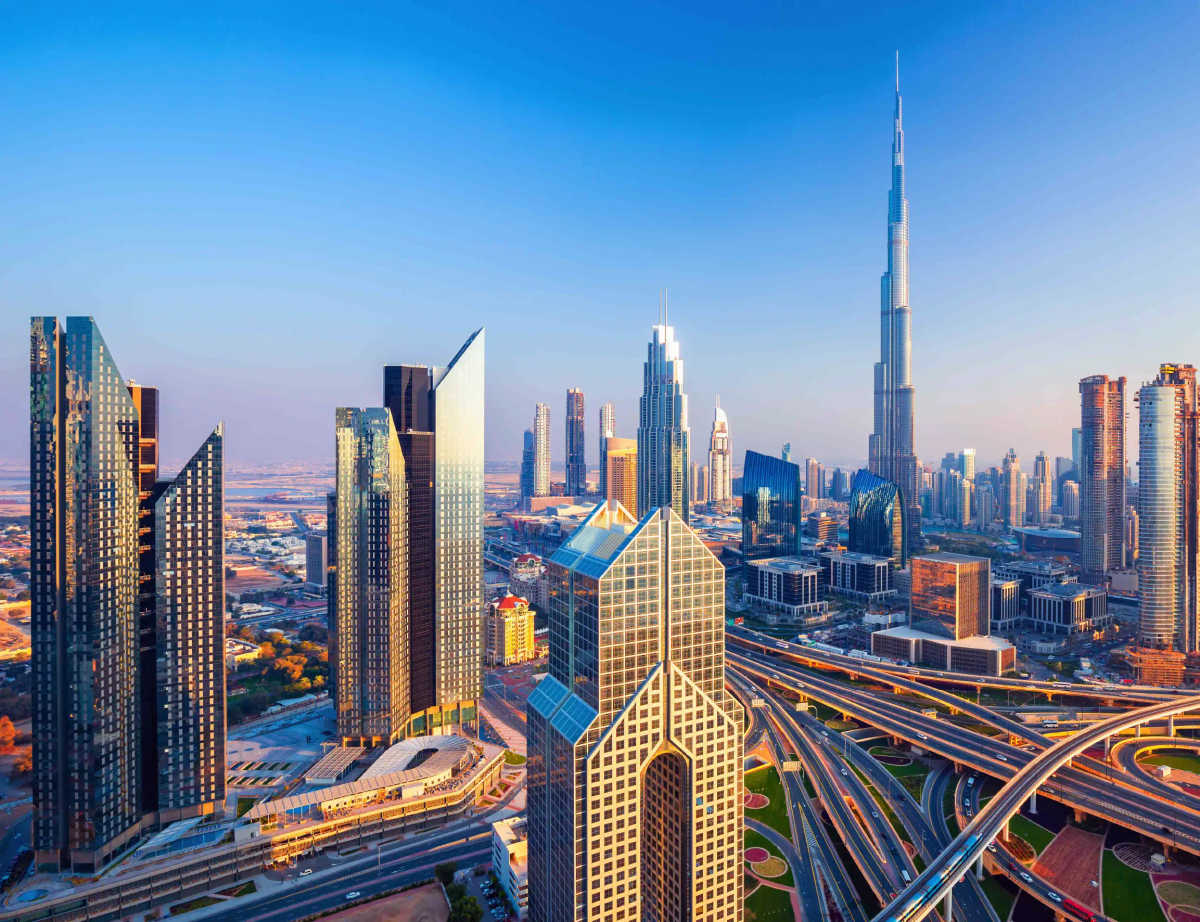
To truly grasp the potential of rental yields in Dubai, one must first understand the broader economic context driving this city's real estate market. Over the years, Dubai has been transforming itself from a regional trade hub into a global business and tourism destination. This metamorphosis is reflected in its infrastructure, with state-of-the-art residential buildings, shopping centers, and entertainment facilities cropping up at an exponential rate. These developments not only cater to the increasing number of expatriates and tourists but also establish Dubai as a real estate haven with high potential earning avenues.

In the current scenario, the strategic location of Dubai acts as a pivotal reason for the steady rise in property values. Positioned as a crossroads between the East and West, Dubai offers unparalleled access to global markets, which attracts international businesses and professionals. The Emirate's investor-friendly laws, like the provision of long-term visas tied to property investments, further fuel interest in real estate acquisitions. These laws create a stable environment that significantly diminishes investment risk, while offering a promise of hefty returns in the form of rental yields.
Moreover, the government of Dubai has been actively pursuing initiatives to bolster its tourism and real estate sectors simultaneously. One such initiative is the hosting of Expo 2020, which aimed to welcome millions of visitors, consequently propelling infrastructure development and escalating demand for rental properties. The sustained investments in infrastructure improvement not only enhance living standards but also contribute to higher property valuations, leading to increased rental incomes for property owners. This strategic approach spearheaded by Dubai's leadership underscores the city’s commitment to fostering an investor-friendly ecosystem where rental yields can thrive.
Calculating Rental Yields: Key Factors to Consider
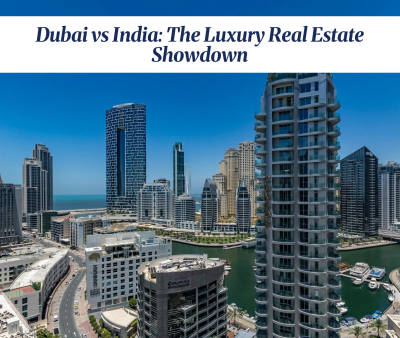
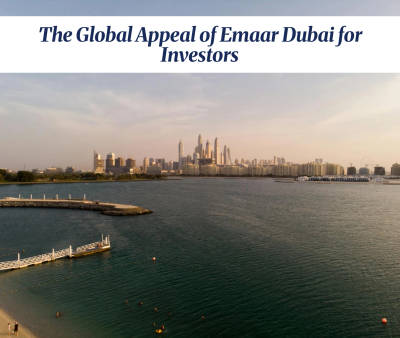
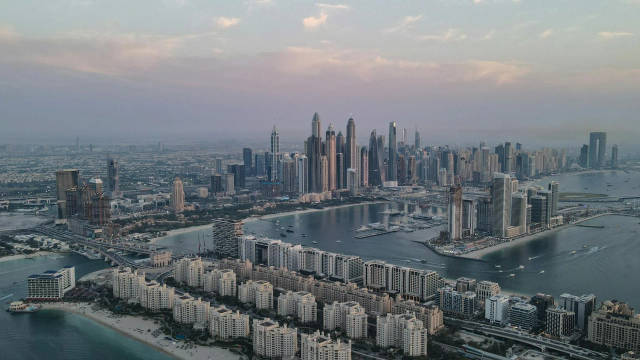
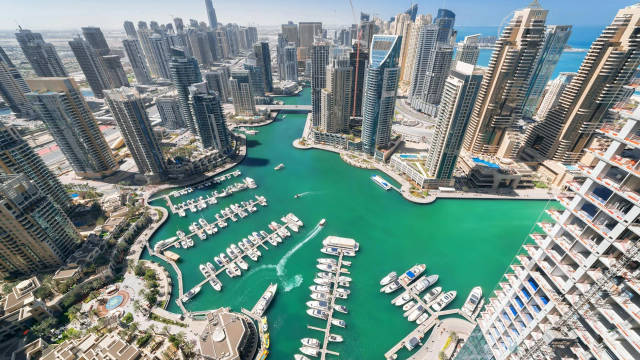
When calculating rental yields in Dubai, investors need to take several critical factors into account to ensure accuracy and maximize potential returns. One of the most fundamental considerations is the location of the property. Areas such as Downtown Dubai, Dubai Marina, and Palm Jumeirah have consistently demonstrated strong rental demand due to their glamour, connectivity, and luxurious lifestyle offerings. These premium locations typically command higher rental prices, though they often come with a correspondingly higher purchase price. Therefore, investors must weigh these aspects carefully to determine expected yields accurately.
It is also imperative to consider the type and size of the property. Generally, smaller units like studios and one-bedroom apartments often yield higher rental returns compared to larger family-size units. This is because smaller units are more affordable and tend to have higher tenant turnover rates, keeping them occupied more consistently. Understanding the tenant profile and market demand for various property types is crucial for aligning investment strategies with potential yield outcomes.
Apart from location and property type, ownership costs and maintenance expenses are key components influencing rental yield calculations. These include service charges, property management fees, and occasional repairs. Successfully managing these costs can help enhance net rental yields. Seeking professional property management services can mitigate unexpected expenditures and ensure the investment remains attractive. Moreover, reviewing comparable rental prices in the vicinity can provide insight into achievable rent levels, thereby assisting in precise yield predictions.

Boosting Rental Yields Through Strategic Improvements
For investors aiming to boost their rental yields, implementing strategic property improvements can prove to be exceptionally rewarding. Renovations and upgrades that enhance aesthetic appeal and functionality can attract higher-paying tenants willing to pay a premium for modern comforts. Simple upgrades such as updating kitchens and bathrooms, modernizing appliances, or enhancing security systems can significantly raise the property's rental value. These improvements are particularly effective in competitive markets where tenants have an abundance of choice.

In addition to aesthetic upgrades, offering flexible rental terms can also enhance rental yields. Furnishing properties and offering short-term or vacation rental options, especially near business districts and tourist attractions, cater to a diverse tenant demographic, thereby optimizing occupancy rates. Implementing smart home technologies such as remote-controlled thermostats, lighting, and smart locks can further differentiate properties, appealing to tech-savvy tenants and justifying higher rental prices.
Furthermore, integrating eco-friendly features such as energy-efficient lighting, solar panels, and water-saving fixtures can increase the property's value and attract environmentally-conscious renters. Not only do these improvements reduce utility costs, which is a benefit for tenants, but they also align with global sustainability trends, thus enhancing the long-term marketability and profitability of properties. These features can position properties uniquely within the market, contributing to higher rental yields over time.
Navigating Economic Shifts and Market Trends
Dubai’s economy and real estate sector are closely linked with global economic conditions, making it vital for investors to stay informed about market trends and economic shifts. As the local economy diversifies, sectors such as technology, logistics, and renewable energy are emerging as significant growth drivers. This diversification reduces dependency on oil revenues, fostering economic stability, which essentially impacts real estate demand and rental yields positively. Being aware of such economic transitions allows investors to anticipate changes in rental demand and adapt their strategies accordingly.
Real estate investors must also keep an eye on policy changes affecting the market. Recent regulatory measures aimed at cooling property speculation have played a significant role in stabilizing property prices, indirectly impacting rental yields. Government reforms like the establishment of the Real Estate Regulatory Authority (RERA) ensure transparency, fostering a more robust investment environment. Understanding how these regulations affect property taxation, land use, and foreign ownership rights can provide investors with a competitive edge when maximizing returns.
Market cyclicality is another critical aspect that investors must navigate. Recognizing when the market is peaking or when a correction might occur is crucial for maximizing yields. During downturns, investors could focus on long-term leases with stable tenants to maintain consistent income. Conversely, in booming markets, opting for flexible lease agreements might capture elevated rental rates. Adopting such adaptive strategies ensures that an investor's portfolio remains resilient in diverse economic conditions, enabling sustainable rental yield growth.
Frequently Asked Questions
Q1. What is rental yield in real estate?
Rental yield is a measure of the return on investment from a property, calculated as the annual rental income divided by the property's market value.
Q2. Why is Dubai attractive for real estate investment?
Dubai offers a strategic location, attractive property prices, rental demand, favorable laws, and a strong tourism sector, making it appealing for investors.
Q3. How can I improve rental yield on my property?
Improving rental yields can be achieved through strategic upgrades, eco-friendly enhancements, optimal leasing terms, and smart technology installations.
Q4. What factors affect rental yields in Dubai?
Factors include property location, market demand, economic conditions, ownership costs, and legislative regulations impacting rental income.
Q5. Are there risks involved in Dubai real estate investments?
As with any investment, risks include market cyclicality, economic downturns, policy changes, and fluctuating property values, which require diligent market analysis.