




Sheikh Zayed bin Sultan Al Nahyan: The Father of the Nation
Sheikh Zayed bin Sultan Al Nahyan, often revered as the Father of the Nation, was the primary architect behind the formation of the United Arab Emirates. His visionary leadership, which emphasized federation and unity, paved the way for the UAE's establishment on 2nd December 1971. Born in 1918 in the emirate of Abu Dhabi, Sheikh Zayed's life was characterized by a profound understanding of both the cultural heritage of the region and the need for modernization. Under his leadership, the Emirati desert bloomed, thanks to strategic use of oil revenues redirected toward national development. Infrastructure, health, and education were rapidly improved, setting the stage for the UAE's modern, cosmopolitan character. Sheikh Zayed’s belief in the importance of sustainable development and conservation of the environment was revolutionary at a time when economic gains often overshadowed ecological responsibility.

Moreover, Sheikh Zayed's diplomacy and open-minded approach were essential in uniting the seven emirates. His ability to navigate complex tribal dynamics and politics showcased his exceptional foresight and tactical acumen. He was respected not only within the UAE but also on an international stage for his peace efforts and dedication to humanitarian causes. His presidency witnessed significant strides in establishing the UAE's educational framework, with national universities and countless schools and scholarships coming into existence under his tenure. Sheikh Zayed’s emphasis on gender equality also led to increased participation of women in education and the workforce, which was groundbreaking for the time.
To understand Sheikh Zayed's impact, one must appreciate his commitment to peace and unity, which laid the cornerstone for future prosperity. His patience and empathy allowed the nascent UAE to navigate the early years of its formation, fostering an environment that valued dialogue and patience over discord. Through various initiatives aimed at fostering inter-emirate cooperation, Sheikh Zayed's vision was one of solidarity, which remains a guiding principle of the UAE today. He was posthumously awarded several honors for his global humanitarian efforts and environmental conservation, reinforcing his legacy as a leader who was ahead of his time.

Sheikh Rashid bin Saeed Al Maktoum: Vision and Commerce
As a key figure in the creation of the UAE, Sheikh Rashid bin Saeed Al Maktoum, ruler of Dubai, played a substantial role in the federation's conception. With a blend of acute business acumen and visionary governance, Sheikh Rashid transformed Dubai from a modest trading post to a global city known worldwide for commerce and innovation. Recognizing the geographical advantage of Dubai — positioned as a link between East and West — he invested heavily in developing trade infrastructure, including the Dubai Creek expansion, which facilitated increased maritime activity and trade flow. His forward-thinking policies positioned Dubai as a hub for international trade and tourism, long before the global community recognized the full potential of the Emirate.
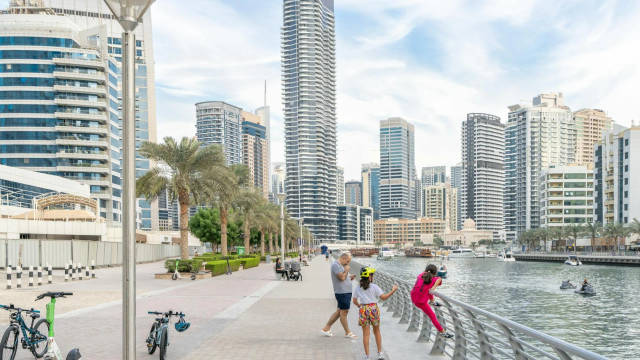
Sheikh Rashid's contributions were not only financial but also ideological, as he shared a faith in the UAE's potential to become a premier destination for business and tourism. Together with Sheikh Zayed, he worked tirelessly to overcome initial challenges in federal negotiations, ensuring all emirates saw the advantages of a united nation. Under his stewardship, key institutions such as the Port Rashid and Jebel Ali Port — now the largest man-made harbor in the world — were established. These infrastructural marvels reinforced Dubai’s position as a strategic maritime and logistics center. His efforts in promoting inclusive policies for expatriates created a multicultural fabric that exists robustly to this day.
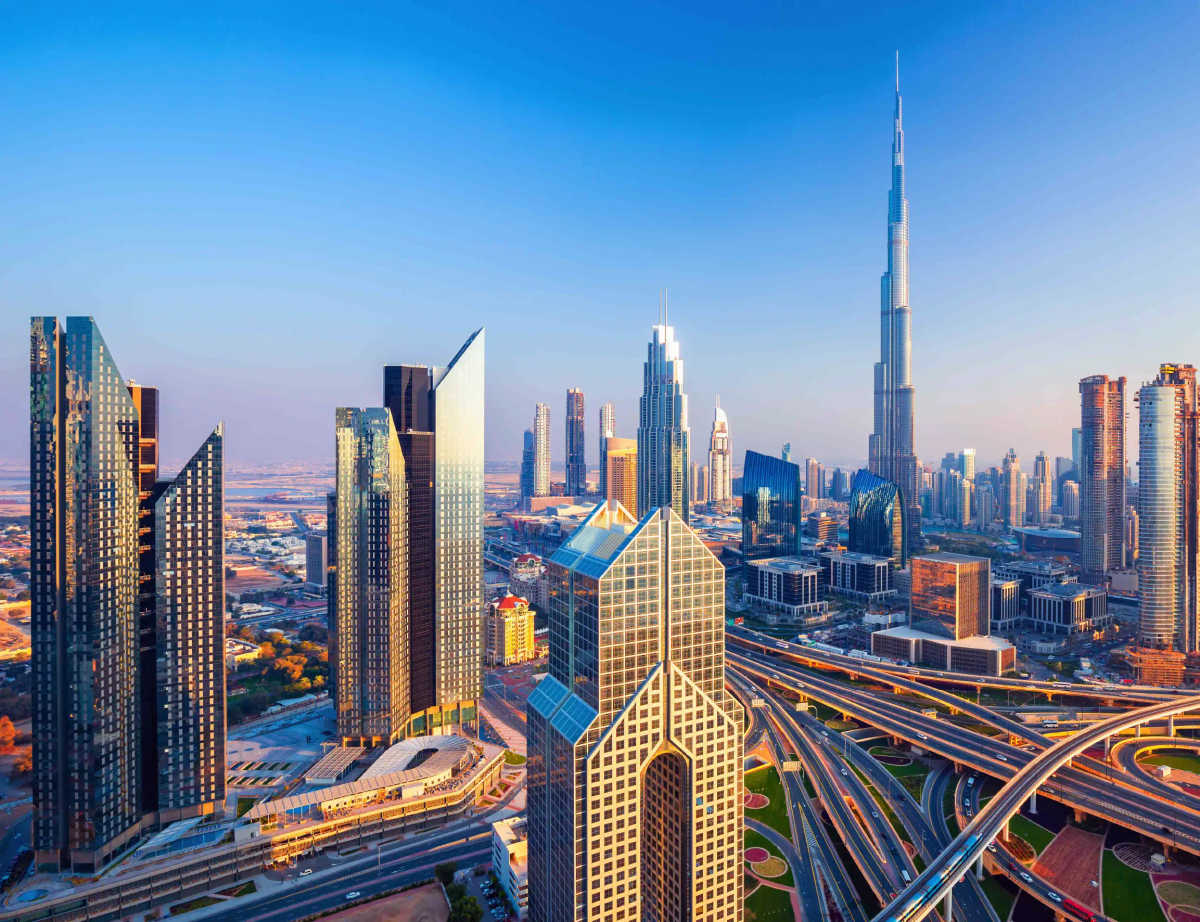
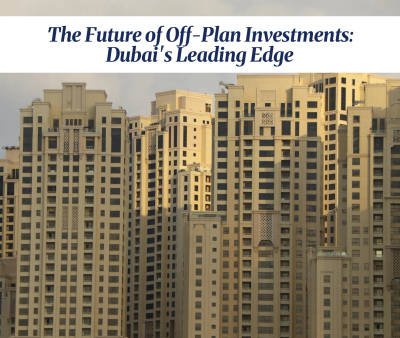
Moreover, Sheikh Rashid's legacy is seen in Dubai's skyline and its economy, now a model of diversity and resilience. Cementing Dubai's reputation as a city unfettered by limitations of its past, his leadership emphasized the importance of planning for future prosperity. Through systematic urban development, Dubai consistently attracted investment from around the globe, setting the benchmark for urban planning innovation. His legacy lives on through familial leadership, whereby his successors have continued to drive his original vision to unprecedented heights, ensuring that Dubai remains a keystone in the global economy.

The Unity of Seven: A Lifelong Quest
The unification of the United Arab Emirates was a complex process that demanded determination and finesse. The seven founding fathers, including Sheikh Zayed and Sheikh Rashid, were instrumental in negotiating and overcoming tribal divergences and territorial claims. Leaders like Sheikh Kalifa bin Zayed Al Nahayan, Sheikh Maktoum bin Rashid Al Maktoum, and Sheikh Sultan bin Saqr al-Qasimi, among others, played indispensable roles in bringing the vision of unity to fruition. This achievement was not simply a political stratagem but a deeply rooted belief in shared growth and prosperity. Despite their differences, they understood that coming together would amplify their individual strengths and enable unprecedented regional influence.

The coalition was a callback to traditional Bedouin values, where the strength of the tribe depended on its unity. It was these time-tested relationships and mutual respects that allowed the leaders to bridge gaps and seize collective opportunities. Importantly, the fathers prioritized comprehensive dialogue, which aligned goals with the long-term interest of economic and cultural progression. With pragmatic diplomacy, they orchestrated a unification that set a precedent for future successes in regional cooperation and governance. It was an intricate dance of both heritage and modernity, one that required the skillful balancing of asserting independence while supporting interdependency.
As we commemorate UAE National Day, the culmination of collective ambition and vision cannot be overstated. Today’s Emirates is a testament to the prowess of these leaders who displayed patience, reverence for history, and audacity for future prospects. Their legacies are woven into the nation's achievements, from global humanitarian initiatives to spearheading cutting-edge innovations. While the road to unity was undoubtedly laden with challenges, it was met with steadfast optimism and uncompromised commitment, principles that continue to guide the UAE’s thriving journey.
Legacy and Future: The Continuation of Greatness
The foresight and aspirations of the founding fathers laid a robust foundation for the UAE’s present-day achievements, which in the realms of technological advancements, economic diversification, and international diplomacy are profound. Despite being a relatively young nation, the UAE has become a leader on the global stage, as evidenced by its exploration of space, sustainable energy projects, and commitment to peace initiatives in the region. The policies implemented by the founding fathers emphasized resilience, adaptability, and inclusion — qualities that have become inherent to the UAE's national identity. Today’s leadership, inspired by this legacy, continues to propel the nation forward, leveraging innovations to diversify the economy away from oil dependency.
Key to the UAE’s ongoing success is the continued emphasis on education and healthcare, domains initially laid out by the founding fathers as essential groundworks for sustainable development. Today, the UAE is home to some of the world’s leading educational institutions and an exemplary healthcare system that consistently pushes for holistic vitality and well-being. These sectors have attracted a host of international talents, transforming the UAE into a hub of intellectual capital and cultural diversity, effects that reverberate from the brilliance of the initial cooperative visions of its founders.
As the UAE continues to chart its course through the 21st century, the country maintains an unwavering commitment to the founding fathers’ ideals of progress, cohesion, and resilience. Through economic diversification, dynamic diplomacy, and innovative sustainability projects, the influence of Sheikh Zayed, Sheikh Rashid, and their fellow leaders echoes prominently. Today’s UAE remains steadfast in its pursuit of excellence, supporting ideas and advancements that not only benefit Emiratis but contribute toward global peace and prosperity. These principles remain rooted in the ongoing narrative of growth and achievement, reflecting the enduring impact of the visionary founding fathers.
Frequently Asked Questions
Q1. Who were the founding fathers of the UAE?
The founding fathers of the UAE were the rulers who united six emirates on 2nd December 1971. They include Sheikh Zayed bin Sultan Al Nahyan, Sheikh Rashid bin Saeed Al Maktoum, among others.
Q2. What was Sheikh Zayed’s role in forming the UAE?
Sheikh Zayed bin Sultan Al Nahyan was pivotal in forming the UAE. As the first President of the UAE, he promoted unity and led the drive to form the federation of the emirates.
Q3. How did Sheikh Rashid contribute to Dubai’s growth?
Sheikh Rashid bin Saeed Al Maktoum fostered Dubai's transformation into a global trade and tourism hub with strategic investments like the development of Port Rashid and the Jebel Ali Port.
Q4. Why is UAE National Day celebrated?
UAE National Day is celebrated on 2nd December each year to commemorate the federation of the emirates, marking the anniversary of the UAE's founding in 1971.
Q5. What lasting impact did the founding fathers have on modern UAE?
The founding fathers laid the groundwork for the UAE’s inclusive economic growth, innovations in infrastructure, education development, and the establishment of a peaceful, cooperative society.