




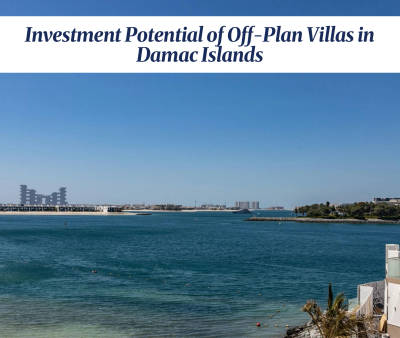
1. Understanding Dubai’s Villa Market Before You Buy
Buying your first villa in Dubai is a dream for many, but before taking the leap, it’s crucial to understand the real estate market. Dubai’s property sector is globally recognized for its transparency, luxury, and high investment returns. Villas are available in freehold and leasehold zones, with freehold areas giving foreign investors 100% ownership. This, combined with Dubai's tax-free environment for rental income and capital gains, a stable economy, and world-class infrastructure, makes it a top global destination for property ownership.

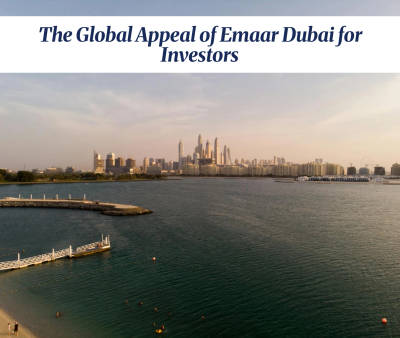
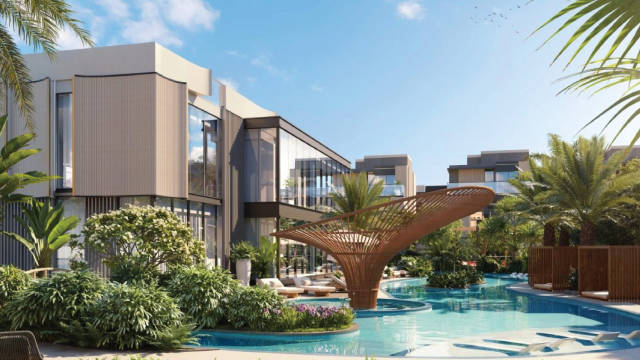
The villa market offers options for every lifestyle. You can find beachfront luxury in communities like Palm Jumeirah and Emaar Beachfront, or serene suburban spaces in Arabian Ranches and Damac Lagoons. Each community provides unique amenities—such as golf courses, private beaches, and gated security—ensuring a premium living experience. Whether you seek urban connectivity or a peaceful family-friendly enclave, Dubai's diverse portfolio has a villa to match your needs.
Post-Expo 2020 developments and continuous urban expansion have pushed property values upward while maintaining strong rental yields. This makes investing in a Dubai villa not only a lifestyle decision but also a smart financial move for long-term capital growth. Understanding these fundamentals—the market's stability, the lifestyle offerings, and the strong ROI potential—prepares you for a confident and strategic villa purchase in 2025 and beyond.
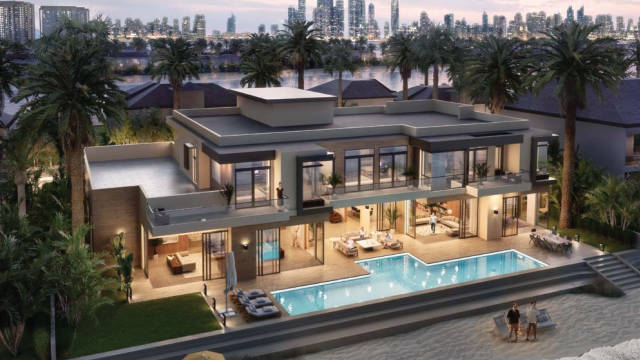
2. Legal Framework and Ownership Rules for Villa Buyers
Dubai’s property laws are designed to encourage transparency and investor confidence. The Dubai Land Department (DLD) and the Real Estate Regulatory Authority (RERA) oversee every transaction, ensuring legal protection. For foreigners, the key concept is freehold zones, which are designated areas where non-residents can purchase property and enjoy 100% ownership rights. This allows you to lease, sell, or inherit the property, offering the same security as a local citizen.
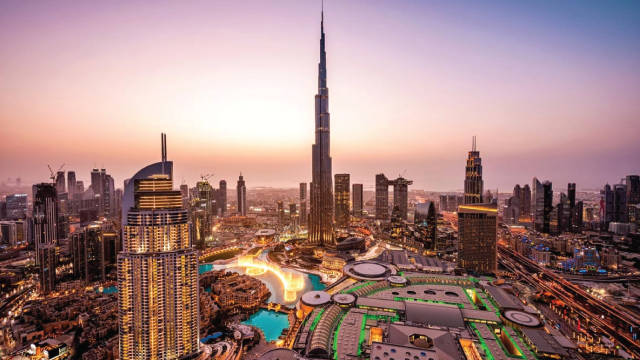
When buying, it’s essential to verify the developer’s registration with RERA and ensure the project is approved by the DLD. Always request the property’s Title Deed (or Oqood for off-plan) and the Sale and Purchase Agreement (SPA). For off-plan properties, it is a legal requirement that all payments are made to a DLD-approved escrow account. This vital safeguard protects your investment by holding the funds until construction milestones are met.
Buyers must also budget for transactional costs. These include the 4% DLD registration fee (based on the property price), a 2% agency commission (+ 5% VAT), and minor administrative charges. A significant advantage of Dubai's ownership structure is the absence of annual property taxes, making the long-term cost of holding a villa extremely attractive compared to other global property hubs.
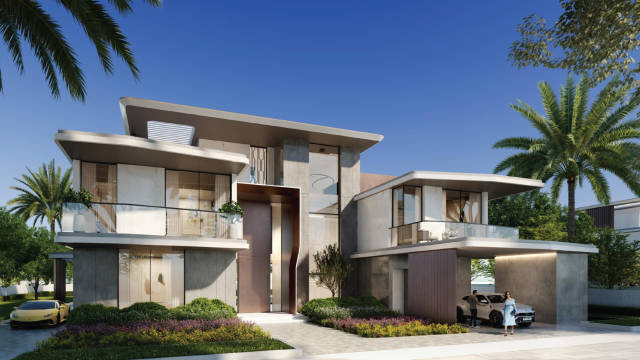
3. Financing and Payment Options for First-Time Villa Buyers
Financing your first villa in Dubai is highly achievable, with options for both residents and non-residents. Local banks offer mortgages covering up to 80% of the property’s value for UAE residents, while international buyers can typically get financing for up to 60%. It is highly recommended to get a pre-approved mortgage before you start your property search. This gives you a clear budget, strengthens your negotiating position, and speeds up the buying process.
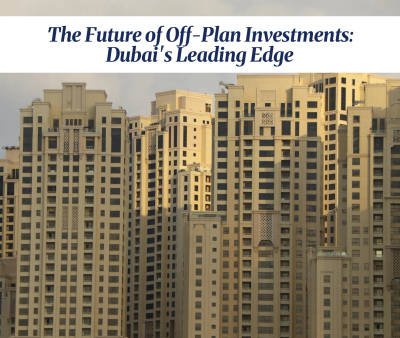
Many developers in Dubai also provide attractive post-handover payment plans, especially for off-plan villas. These plans are a game-changer, allowing buyers to pay a significant portion of the property's value over several years after moving in, often without interest. Top developers like Emaar, Sobha Realty, Danube, and Damac frequently offer these flexible options, making luxury living more accessible to first-time buyers and investors.
Dubai’s stable economy, the AED currency peg to the USD, and a tax-free income environment make it a global hub for safe real estate financing. Buyers can also explore Sharia-compliant Islamic home financing options, which offer competitive profit rates. With clear lending policies, affordable rates, and strong developer support, Dubai ensures that owning your dream villa is an attainable goal.
4. Choosing the Right Location and Developer for Long-Term Value
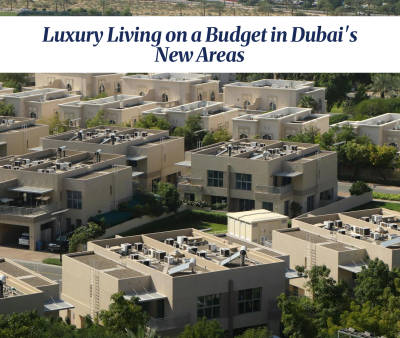
Location is the single most critical factor when buying a villa in Dubai. Each community offers a distinct lifestyle, from the serene, family-friendly golf community of Dubai Hills Estate to the unmatched beachfront luxury of Palm Jumeirah. Suburban communities like Arabian Ranches and Damac Lagoons cater to those seeking a peaceful, spacious lifestyle. Analyzing proximity to transport links, top schools, business districts, and healthcare centers is key to ensuring convenience and strong resale potential.
When it comes to developers, reputation and past performance matter significantly. Renowned names like Emaar, Sobha Realty, Meraas, and Damac Properties are known for their quality construction, timely delivery of projects, and strong after-sales support. Buying from a trusted developer not only ensures superior design and durability but also significantly boosts your property’s value over time, as their projects are more sought-after in the secondary market.
Investors should also look for upcoming areas poised for high capital appreciation. Emerging communities like Dubai South (near the new Al Maktoum International Airport), Tilal Al Ghaf, and The Valley by Emaar are projected to see strong growth. As Dubai’s infrastructure continues to expand, villas in these prime and emerging locations are set for steady long-term growth, securing both your lifestyle and financial future. Park Gate 2 – Dubai Hills Estate by Emaar
Frequently Asked Questions (FAQs)
Q1. Can foreigners buy villas in Dubai?
Yes, foreigners can buy villas in Dubai’s designated freehold areas such as Palm Jumeirah, Dubai Hills Estate, and Arabian Ranches, enjoying 100% full ownership rights.
Q2. What are the main costs of buying a villa in Dubai?
In addition to the property price, the primary costs are the 4% DLD registration fee and a 2% agency commission (+VAT). There are also minor administrative and, if applicable, mortgage registration fees.
Q3. How long does it take to buy a villa in Dubai?
For a ready villa (secondary market), the process usually takes 1–3 weeks once your financing is in order. For off-plan villas, the timeline depends on the project's construction and completion date.
Q4. Is mortgage available for non-residents in Dubai?
Yes, several UAE banks offer mortgage financing to non-residents. You can typically expect to get a loan for 50–60% of the villa’s value, depending on your eligibility and financial profile.
Q5. Is it a good time to buy a villa in Dubai in 2025?
Absolutely. Dubai’s real estate market is experiencing sustainable growth, driven by strong demand from end-users, high rental yields, investor confidence, and favorable government policies, making 2025 a prime time to invest.