


Economic Influences on 2025's Real Estate Market
Dubai's real estate market, entering 2025, is profoundly shaped by global economic influences. The geopolitical shifts, notably the ongoing alignment of various international economic policies, have played a pivotal role in either stimulating or stalling property investments in the region. As global commodity markets, particularly oil—a staple resource for the UAE—experience fluctuating prices, the ripple effects are palpable in real estate. The volatility of oil prices has a dual impact: it shifts government spending from infrastructure projects to diversification of the economic portfolio, thereby affecting real estate development funding. Furthermore, as Dubai intensifies efforts to establish itself as a business hub independent of oil reliance, foreign direct investment (FDI) in real estate is anticipated to grow, thus influencing housing demand and pricing structures.

The influence of changing taxation policies and the introduction of progressive econo-financial measures, such as the long-term visa and retirement initiatives, have drawn substantial attention. These measures have carved a haven for expatriates seeking both investment opportunities and a secure living environment. The impact of these initiatives has been to solidify Dubai's attractiveness, reducing barriers for property ownership and augmenting the appeal of long-term investments in the city's burgeoning real estate portfolio. Consequently, 2025 anticipates an increment in expatriate-driven real estate acquisition, as individuals from across the globe capitalize on the conducive economic environment fostered by visionary government policies.
Dubai's currency, the dirham, which is pegged to the US dollar, also greatly impacts real estate market trends. The strength and stability of the dollar amidst varied global financial market conditions have provided a safe investment pathway for those wary of currency fluctuations. This stability, coupled with Dubai's world-class infrastructure and enticing lifestyle, beckons investors. As international capital flows into Dubai, it sustains not just the luxury segment but also the lucrative mid-tier real estate market. Investors eye these sectors as stable, reliable avenues for returns, aligning Dubai's real estate sector more closely with its global counterparts in terms of predictability and investment security.

The Rise of Sustainable and Smart Living
Dubai in 2025 is witnessing a remarkable shift towards sustainable and smart living, a trend driven by technological advancements and an increasing global demand for eco-friendly solutions. Developers across the city are moving beyond traditional building practices to integrate cutting-edge sustainable technologies into their projects. From energy-efficient building designs to the implementation of solar panels and water-saving systems, these eco-conscious measures not only contribute to the environment but also offer considerable cost savings to residents and investors. This shift aligns with Dubai’s strategic vision of achieving sustainable urban development, and it is setting a new standard for real estate development within the region.

Smart home technology is revolutionizing how residents interact with their living spaces in Dubai. Properties equipped with advanced control systems that manage lighting, climate, security, and entertainment through digital interfaces are becoming increasingly common. These enhancements provide a seamless and personalized living experience that appeals to both tech-savvy young professionals and families. Dubai's real estate market is seeing a surge in demand for homes that offer integrated smart solutions, as they represent a convergence of luxury and functionality, creating a compelling value proposition for contemporary buyers. The popularity of these smart homes is evident in the rapid sell-out rates of these properties, reflecting a broad acceptance and desire for technologically enhanced residential environments.
Alongside environmental sustainability and smart living advancements, community-centric developments are also gaining traction in Dubai's real estate landscape. Mixed-use developments that integrate residential, commercial, and recreational spaces foster community engagement and enhance the quality of life. These developments are designed to reduce congestion, minimize travel times, and optimize resource utilization, contributing positively to environmental and social sustainability goals. As these integrated communities flourish, they represent the future of urban living in Dubai, promising a balanced, healthier lifestyle while contributing to the creation of a cohesive urban fabric. This trend is likely to persist well into 2025 and beyond, as developers and the government prioritize holistic, forward-thinking urban planning.

Investment Strategies for Maximizing Profits
Investing in Dubai's real estate in 2025 demands strategic acumen, particularly in selecting properties and timings that align with market cycles. Understanding real estate segment performance—luxury, mid-range, or affordable—provides an insight into maximizing returns. The luxury market, though initially risky due to its high entry cost, may offer substantial returns due to Dubai's global brand as a luxury destination. High-net-worth individuals continue to pour capital into opulent villas and penthouses, attracted by features like private beaches and stunning views, thereby sustaining demand in this segment. However, informed investors also recognize the potential risks associated with market saturation in the luxury segment.

Data analysis and leveraging technology are crucial modern strategies. Real estate technology, or proptech, is playing an essential part in enabling investors to analyze trends, predict demand, and identify lucrative properties. Platforms that offer comprehensive data points simplify decision-making processes by providing insights into property values, neighborhood growth, and market forecasts. Additionally, blockchain technology is making property transactions more secure and transparent, which in turn fosters investor confidence. As technology further penetrates the real estate sector, the role of AI in predicting market movements and tailoring investment strategies cannot be overlooked. Thus, investors attuned to these technological advancements can optimize their portfolios for maximum profitability.
Further, diversification within the real estate market is a prudent investment strategy in 2025. Dubai's rental yields, consistently high compared to global standards, present profitable avenues for investors. The short-term rental market, catalyzed by the booming tourism and hospitality sectors, offers substantial returns. Investors looking to capitalize on Dubai's Expo 2020 legacy will likely find significant opportunities in both residential and commercial properties, as the infrastructure and facilities developed for the event continue to drive interest and occupancy. Additionally, diversifying investments beyond residential to include offices and retail spaces harnesses the growth potential of Dubai’s thriving business landscape, cementing investor portfolios against market volatilities.
The Allure of Lavish Living in Dubai
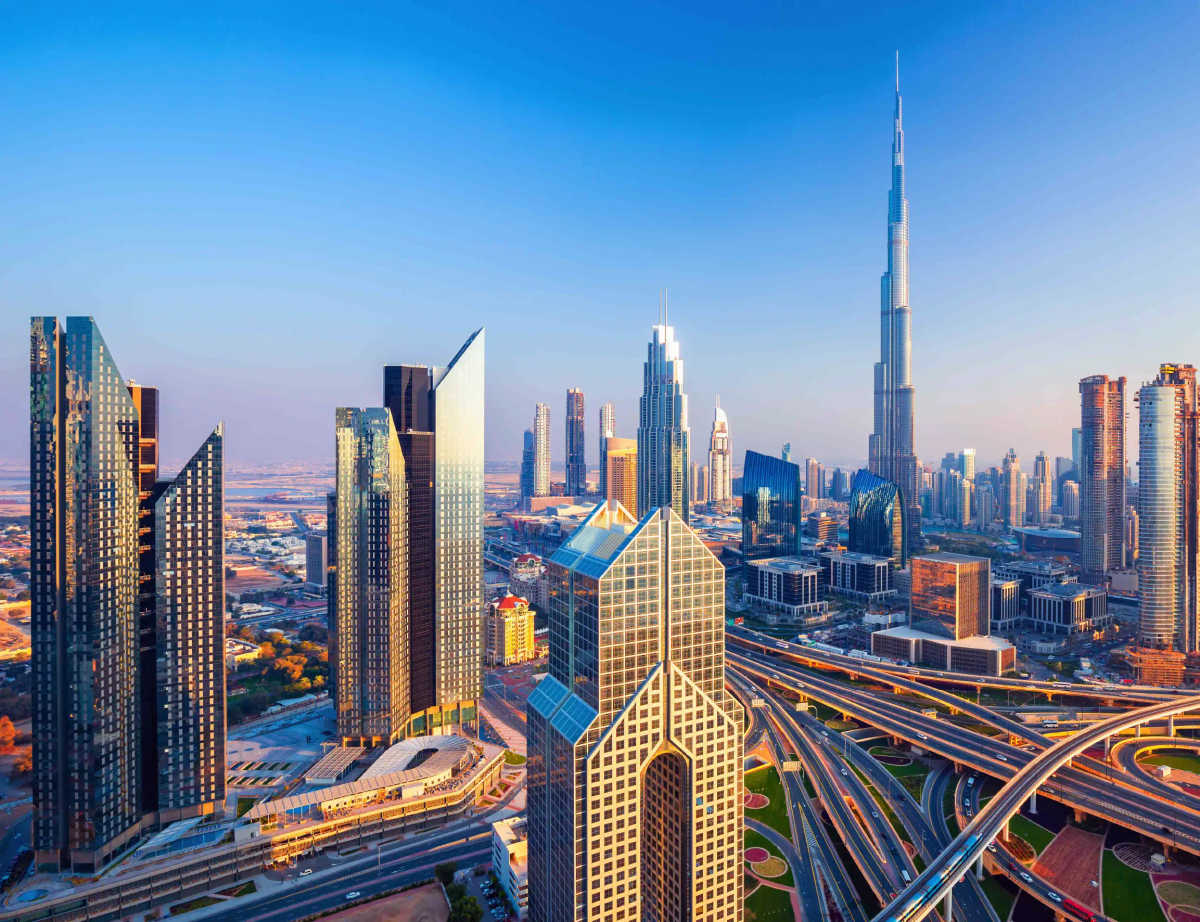
Dubai's real estate market offers unparalleled luxury living options, cementing its reputation as a city synonymous with opulence and sophistication. The allure of luxury living is evident in the plethora of upscale projects that dot the city's skyline, offering high-ranking executives, celebrities, and discerning global citizens an urban oasis like no other. Properties in prestigious locales such as Downtown Dubai, Palm Jumeirah, and Emirates Hills boast cutting-edge architectural designs, exquisite furnishings, and world-class amenities, functioning as both homes and symbols of status. These developments are not just about living space but are meticulously curated experiences that offer unrivaled privacy, bespoke services, and exclusive community living, appealing to those who spare no expense in securing an extravagant lifestyle.
Beyond magnificent residential options, Dubai's luxurious lifestyle extends to its facilities and services, which enhance the allure of living in this vibrant city. From gourmet dining experiences at Michelin-starred restaurants to avant-garde fashion shopping and exhilarating leisure activities at state-of-the-art sports complexes, Dubai provides a comprehensive luxury lifestyle package. High-end real estate developments often include exclusive access to premium amenities, such as private marinas, golf courses, and spa retreats, creating an integrated luxury experience that caters to the elite's diverse tastes and preferences. The integration of such amenities within residential projects has become a standard expectation, enhancing their desirability among affluent buyers looking for an all-encompassing luxury living narrative.
Moreover, the drive toward personalized and unique experiences within the real estate sector adds another layer to Dubai's allure for those seeking a lavish lifestyle. Customized interiors, tailored concierge services, and exclusive access to events and social networks elevate the living standards for Dubai's wealthy populace. Developers are increasingly creating bespoke residences that reflect individuality while offering prestige that aligns with the city's image as a global luxury capital. For expatriates and locals alike, the promise of living in Dubai represents not just a material advantage but an aspirational lifestyle, where luxury is not a luxury but a way of life. As this ethos pervades the real estate sector, Dubai continues to evolve, enticing residents with the promise of a meticulously curated, extravagant living experience.
Frequently Asked Questions
Q1. What economic factors influence Dubai real estate?
Key factors include oil price stability, foreign investment, government policies, and global economic trends impacting property demand and pricing.
Q2. How is sustainability impacting real estate in Dubai?
Sustainability trends focus on eco-friendly building practices and smart technologies in housing to reduce environmental impact and attract modern buyers.
Q3. What investment strategies are recommended for 2025?
Diversification, leveraging proptech, data analysis, and focusing on rentals and mixed-use developments are effective strategies.
Q4. Why is Dubai's real estate ideal for luxury living?
Dubai offers unparalleled luxury experiences, with high-end properties, exclusive amenities, and an affluent lifestyle that attracts wealthy individuals globally.
Q5. How does technology enhance real estate investments?
Tech aids in data-driven decision-making, enhances transaction security, and offers insights into market trends, maximizing investment outcomes.