





Understanding the New Residency Laws
In recent years, Dubai has made significant revisions to its residency laws, especially targeting the real estate sector. The new policies are crafted to offer greater flexibility and incentives for foreign investors, making the city an even more attractive destination for global buyers. A notable adjustment is the introduction of long-term resident visas specifically tied to property investment. This shift facilitates a more stable lifestyle for those looking to make Dubai a permanent or semi-permanent residence. With the introduction of these residency permits, foreign buyers now have greater opportunities to capitalize on Dubai’s thriving real estate market, while enjoying the benefits of a more settled life in the UAE.

These changes have made the real estate environment more lucrative and welcoming. Prior to these reforms, foreigners faced certain bureaucratic hurdles and restrictions which, to some extent, discouraged extensive property investments. The new legal framework aims to streamline the process of acquiring residency through real estate ownership. Foreign investors are now increasingly viewing Dubai as a city where they can build long-term plans free from the uncertainties previously associated with shorter tourist visas. In essence, these residency laws reflect Dubai's ambition to foster a locale that is not just transient for tourists but also enduring for global citizens.
The eligibility criteria under the revamped laws primarily focus on investment thresholds and property types. For instance, a minimum property investment of AED 1 million is required to qualify for a residency visa. This creates a direct relationship between real estate investment and residential stability, further encouraging investors to explore and purchase properties within Dubai. Moreover, these laws make provisions for investors to bring their immediate family to reside with them, reflecting a holistic approach to attracting and retaining talent as well as capital in the emirate. By facilitating a favourable environment for foreign investors, Dubai has strategically placed itself at the forefront of desirable global investment destinations.

The Impact on Real Estate Market Dynamics
The introduction of new residency laws has had a palpable impact on the dynamics of Dubai’s real estate market. There is a discernible shift towards increased demand for residential properties, as buyers perceive property ownership as a dual benefit: investment potential and residency stability. This demand has in turn catalyzed a fresh wave of property developments, particularly those tailored to foreign investors looking for prime locations with upscale amenities. Developers are now keenly integrating features that appeal to international tastes and preferences, ensuring that the offerings align with global standards while catering to the diverse lifestyle expectations of expatriates.

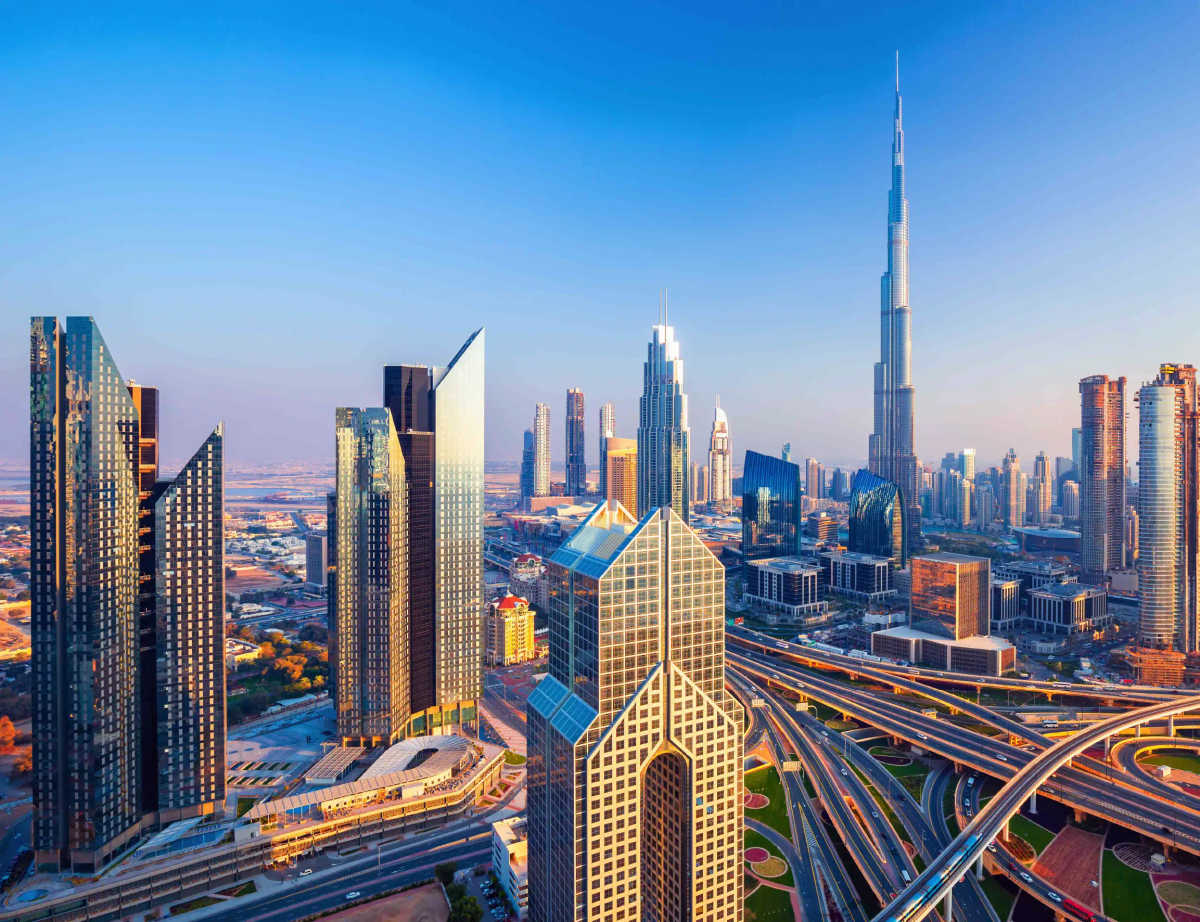
Enhanced residency perks have also brought about a rise in property values, particularly in coveted districts. Areas such as Downtown Dubai, Dubai Marina, and Palm Jumeirah have witnessed appreciable appreciation in property prices as a result of increased foreign interest. The consistency and transparency in laws have reduced the perceived investment risk, encouraging a more diverse pool of investors to consider Dubai for both short- and long-term real estate acquisitions. This influx of international capital not only boosts economic growth but also enhances the vibrancy of the city, making Dubai a melting pot of cultures, ideas, and opportunities.
Furthermore, the strategic incentives provided by the residency laws act as a stimulant for the real estate market, fostering a healthier supply-demand balance. The market is witnessing a diversification in the types of properties being sought after; while luxury estates continue to attract affluent buyers, there’s growing interest in mid-range and affordable housing options facilitated by the new laws. This diversification is instrumental in stabilizing the market and offering a wide range of options to suit varied investor budgets and aspirations. As Dubai continues to employ its forward-looking vision, the real estate sector is evolving in tandem with residency reforms, setting new benchmarks for investment viability and residential appeal.

Potential Challenges for Foreign Investors
While the new residency laws in Dubai offer numerous benefits, potential investors must also recognize the challenges that accompany these opportunities. Navigating Dubai's real estate market can be complex, especially for first-time international buyers unfamiliar with regional intricacies. One major challenge is the understanding and compliance with local regulations and paperwork, which can often be a daunting task without the help of seasoned professionals. Legal clarity and thorough due diligence are imperative to ensure that the investments conform to the residency criteria effectively.

Another challenge lies in the fluctuating property market influenced by global economic conditions and regional developments. Property prices in Dubai can be susceptible to variations caused by shifts in oil prices, geopolitical stability, and changes in competitive markets. For foreign investors, such volatility introduces an element of financial unpredictability that demands astute financial planning and market acumen. It is essential for investors to be well-informed about market dynamics and to work closely with real estate experts who can provide guidance and mitigate potential risks associated with such fluctuations.
Beyond financial considerations, cultural and lifestyle adaptations may also pose challenges for foreign buyers transitioning to residency in Dubai. Integrating into Dubai's unique socio-cultural fabric necessitates an open mind and a willingness to embrace diverse cultural practices and norms. Language barriers, while less prominent due to Dubai’s largely English-speaking population, can also present initial communication challenges, particularly when dealing with local agencies and stakeholders. Nonetheless, the inclusive and cosmopolitan nature of Dubai makes it easier for expatriates to acclimatize to their new environment, provided they are proactive in seeking involvement and engagement within the community. Recognition of these challenges forms a crucial step in facilitating a smoother transition and reaping the full benefits of residency tied to property investments.
Strategies for Maximizing Investment Benefits
To fully leverage the benefits of Dubai’s new residency laws, foreign investors should adopt several strategic approaches. The first step is to conduct comprehensive research on Dubai's diverse real estate landscape. An understanding of the market trends, emerging hotspots, and the type of properties that best align with both personal and investment goals is vital. Working with seasoned real estate agencies that possess in-depth knowledge of local and international markets can offer invaluable insights. These experts can assist in navigating the vast array of properties available and help investors make informed decisions that align with long-term residency plans.
Investors should also consider diversifying their property portfolio to include different types of real estate assets. This diversification can mitigate risks and buffer against market volatilities. For instance, combining residential investments with commercial properties creates a balanced portfolio that safeguards the investor's interests regardless of market fluctuations. Additionally, focusing on emerging neighborhoods that show promising growth potential can provide greater returns as these areas develop and mature. Establishing connections with realty firms and financial advisors in Dubai can help identify these opportunities early, allowing investors to capitalize on trends before they reach peak pricing.
Maximizing the economic and residency benefits also requires understanding the legal aspects and keeping up with any regulatory changes. As Dubai continues to evolve as a leading global city, staying informed about future legislative amendments could unveil new opportunities or necessitate strategic shifts in investment choices. Regular consultations with legal experts who specialize in UAE real estate law can ensure investors stay compliant while maximizing residency advantages. Furthermore, considering long-term resale values and the potential for expatriate rental demand can further maximize the return on investment, securing financial stability and continuous residency benefits in this thriving metropolis.
Frequently Asked Questions
Q1. What are the key residency changes for foreign buyers?
Recent changes include long-term residency visas linked to property investments, enhancing opportunities for foreign buyers in Dubai.
Q2. How much must I invest to qualify for a residency visa?
To qualify for a residency visa, a minimum property investment of AED 1 million is required under the new laws.
Q3. Can investors bring their families to Dubai?
Yes, the new laws allow investors to bring their immediate family, promoting a holistic approach to residency benefits.
Q4. What challenges do foreign investors face in Dubai?
Challenges include understanding local regulations, fluctuating property markets, and adapting to cultural differences.
Q5. How can investors maximize returns in Dubai?
Investors can maximize returns by diversifying their property portfolio, focusing on emerging markets, and staying informed about legal changes.