




Mumbai's Real Estate Landscape
Mumbai, often heralded as the financial capital of India, is a city marked by its vibrant economy and diverse real estate offerings. The city's real estate market is among the most dynamic in Asia, characterized by high demand for both residential and commercial spaces. One of the primary driving factors behind this demand is the continuous influx of people drawn to the city for its economic opportunities. This persistent demand, however, is contrasted by the limited availability of land, resulting in a competitive market where property values are a direct reflection of availability.

The city's real estate landscape is significantly influenced by governmental policies and economic fluctuations. Over the years, programs aimed at infrastructure development, such as the Mumbai Metro expansion and the Coastal Road project, have positively impacted real estate values. These initiatives have led to an appreciation in property prices, particularly in areas adjacent to these projects. Consequently, neighborhoods that once were considered peripheral have seen a resurgence, attracting both investors and developers eager to capitalize on the upgraded connectivity and infrastructure.
Furthermore, Mumbai's real estate market is stratified across various segments, each catering to different kinds of investors. From luxury high-rises in South Mumbai to affordable housing in the Northern suburbs, the city's diverse portfolio reflects its demographic variety. Investors often favor micro-markets due to their potential for high returns. These areas typically benefit from being close to commercial hubs or are undergoing significant infrastructural changes, thereby driving demand upwards. However, the high entry cost and regulatory complexities mean that investors must navigate the market with a well-planned strategy.

Dubai's Real Estate Dynamics
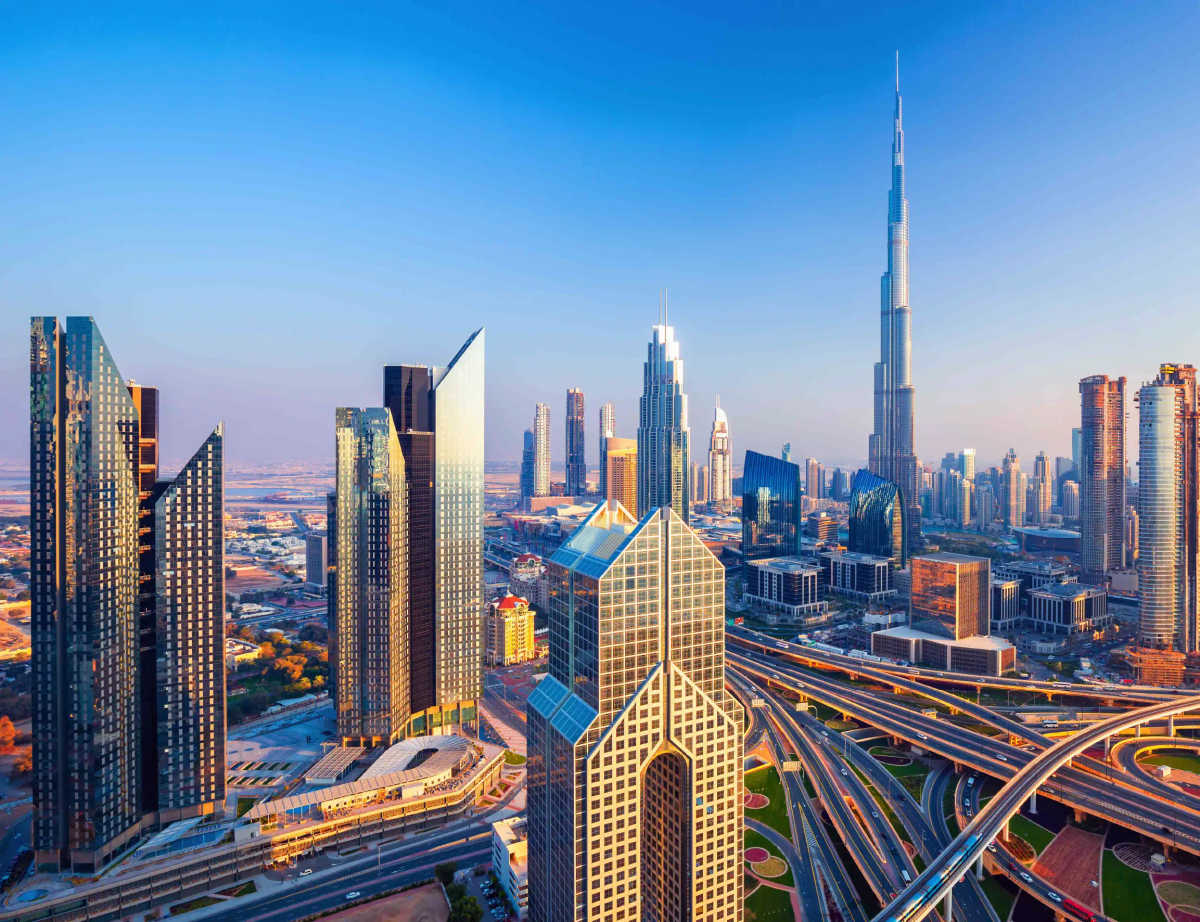
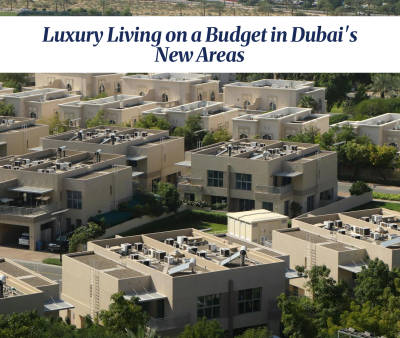
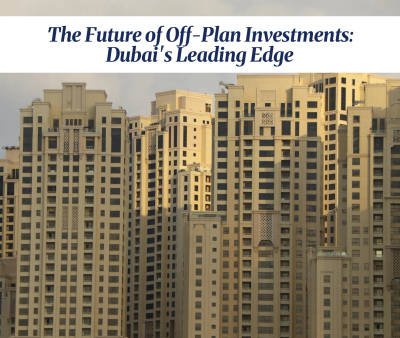
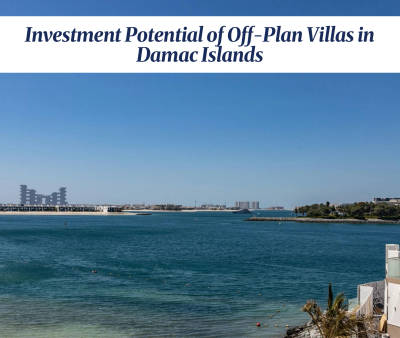
In stark contrast to Mumbai, Dubai's real estate market is characterized by its planned development and luxurious offerings. Dubai, as the UAE's business hub, has crafted a unique identity with its ultra-modern skyline, lavish lifestyle options, and top-tier amenities that attract investors from around the globe. The emirate's approach to developing its real estate has been philosophy-driven, focusing on innovation and strategic developments that cater to international standards and demands.

One of the key advantages that Dubai offers is its liberal property ownership laws for foreigners, which makes it a favorable destination for international investors. The city has introduced freehold ownership in various areas, empowering expatriates to purchase property outright, which significantly boosts the attractiveness of its real estate market. Additionally, Dubai's tax-free real estate environment further entices investors, offering them potentially higher net yields than other global cities. This fiscal leniency, coupled with political stability, makes Dubai an appealing real estate investment destination.
Dubai's real estate growth is also fueled by its strategic infrastructure developments, such as the expansive Dubai Metro network, the upcoming Expo 2026 site at Dubai South, and the continuous expansion of Dubai International Airport. These contribute to the comprehensive urban development plan designed to accommodate the growing business and tourism sectors. The city’s knack for hosting large-scale events also injects vitality into the real estate sector, as such developments are anticipated to drive both residential and commercial property demand, leading to increased investor interest.

Key Comparative Investment Metrics
When comparing Mumbai’s and Dubai’s real estate markets, several key metrics emerge as critical for assessing investment potential. Firstly, property appreciation rates are essential for investors looking to capitalize on capital gains. Historically, Dubai has showcased relatively stable property appreciation rates due to its planned urban developments and governmental support. Conversely, Mumbai's real estate market exhibits cyclical trends affected by economic policies and urban demand-supply imbalances, often resulting in higher volatility in appreciation rates.

Another critical factor that sets Dubai apart is rental yield, which is notably competitive in the global market. With yields averaging around 5-7%, Dubai offers far superior returns in comparison to Mumbai, where rental yields hover around the 2-4% mark. This marked difference is often attributed to the consistent demand from expatriates and the burgeoning tourist industry in Dubai. Moreover, Dubai’s lack of property taxes and income taxes on rental income further amplifies the net profitability for landlords compared to the intricate tax regime in Mumbai.
Investors should also consider the regulatory environment and ease of real estate transactions within these cities. Dubai’s approach, characterized by transparency and efficiency, supported by RERA (Real Estate Regulatory Authority), ensures a more seamless process for international investors. On the other hand, Mumbai presents a more convoluted landscape, where regulatory nuances and ongoing changes in laws, such as the Real Estate (Regulation and Development) Act, 2016 (RERA India), can create complexities. Thus, a comprehensive understanding of these metrics is critical for investors to navigate these diverse markets effectively.
Deciding the Better Investment Opportunity
Choosing between investing in Mumbai or Dubai requires an investor to align their strategy with market parameters and their risk tolerance levels. For investors seeking diversification with a focus on rental yields and capital appreciation, Dubai offers a more straightforward and potentially lucrative market, driven by policy support and economic stability. The city's infrastructure readiness and global connectivity further bolster its appeal as a prime real estate investment destination.
However, Mumbai’s market offers its unique appeal, particularly for investors with a long-term view and a higher risk appetite. The city is home to a vibrant economy that continues to grow, driven by a youthful workforce and a flourishing business environment. Real estate investors who prefer capital gains driven by rapid urbanization and economic shifts may find Mumbai to be an attractive choice. As India's economy expands, government initiatives aimed at 'Housing for All' and infrastructural enhancements are set to unfold new opportunities for savvy investors.
In conclusion, both Mumbai and Dubai present compelling cases for real estate investment, albeit they cater to different investor profiles. While Dubai champions ease of access and high yields driven by a flourishing expatriate market, Mumbai's narrative is one of long-term growth potential, urban regeneration, and a dynamic economic landscape. Ultimately, thorough due diligence, market analysis, and alignment with personal investment goals will guide investors toward making informed decisions tailored to their preferences and risk tolerance.
Frequently Asked Questions
Q1. What makes Dubai's real estate market attractive to investors?
Dubai offers high rental yields, tax-free incentives, political stability, and ownership rights for expatriates, making it appealing for real estate investments.
Q2. How does Mumbai's real estate market differ from Dubai's?
Mumbai's market is characterized by high demand and limited land, with regulatory complexity, while Dubai focuses on strategic, planned developments with liberal ownership laws.
Q3. Which city has higher rental yields, Mumbai or Dubai?
Dubai generally offers higher rental yields, averaging 5-7%, while Mumbai's yields are around 2-4%.
Q4. What are the challenges of investing in Mumbai's real estate?
Challenges include high entry costs, regulatory complexities, and urban demand-supply imbalances affecting property appreciation.
Q5. Can foreigners own property in Dubai?
Yes, Dubai offers freehold property ownership in designated areas, making it possible for foreigners to purchase property outright.