



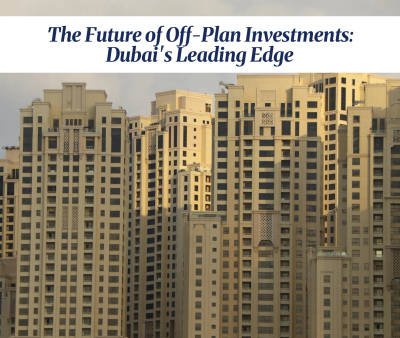
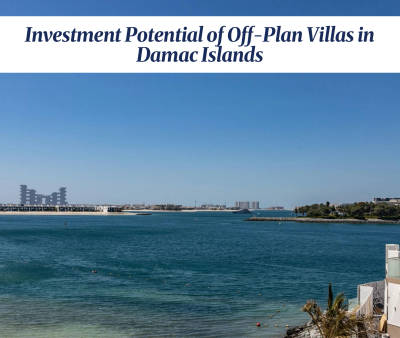
Dubai Real Estate: A General Overview
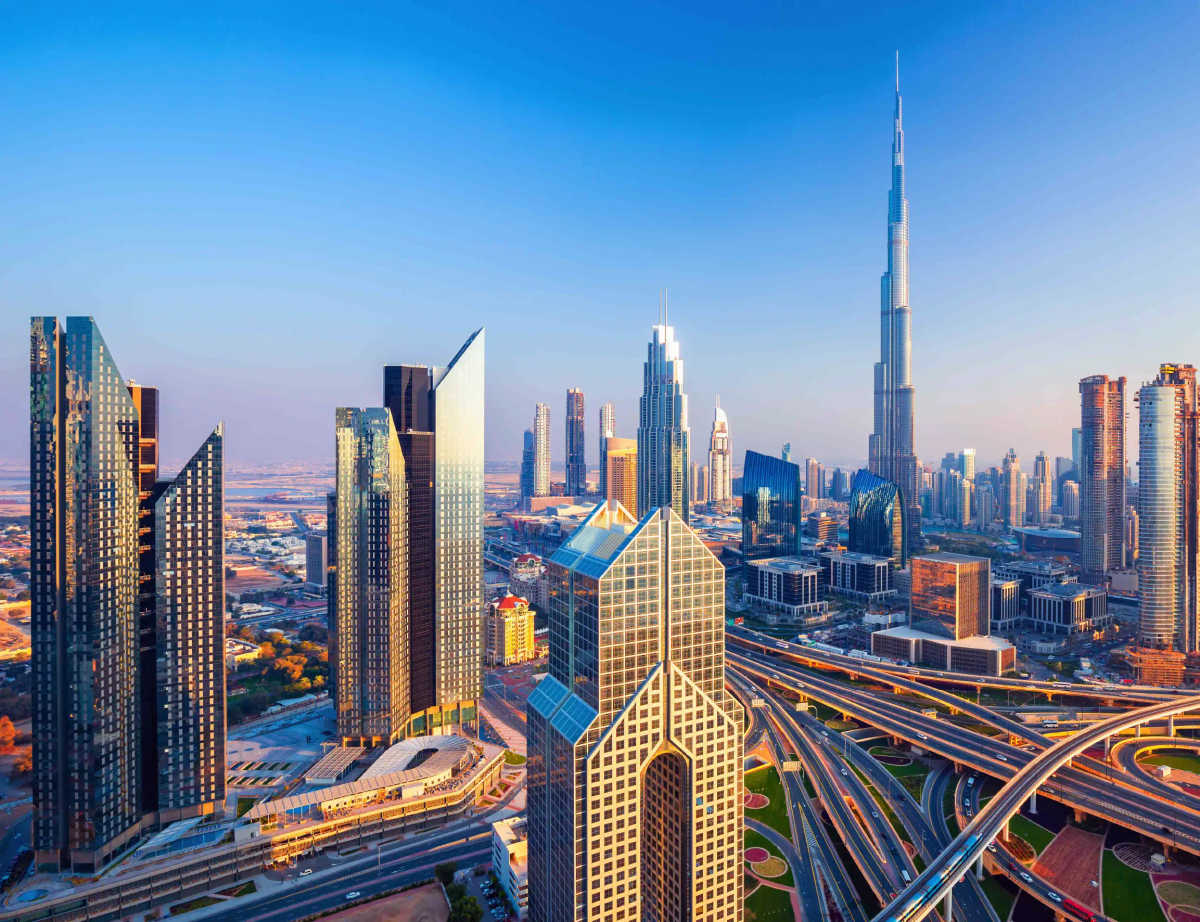
Dubai's real estate landscape has undergone tremendous transformation over the past few decades, positioning itself as a key player in the global property market. Characterized by lavish skyscrapers, ultra-modern residential complexes, and expansive luxury villas, the city has something to offer a wide range of buyers and investors. The cost of real estate in Dubai is notably a subject of intrigue and analysis, primarily because of its dynamic market conditions. Factors such as economic stability, favorable tax laws, and a booming tourism industry have consistently driven demand in the real estate sector, keeping Dubai at the forefront of investor interest. Yet, understanding the core elements that influence property prices in this vibrant city requires delving deeper into the metrics that define real estate valuations here.

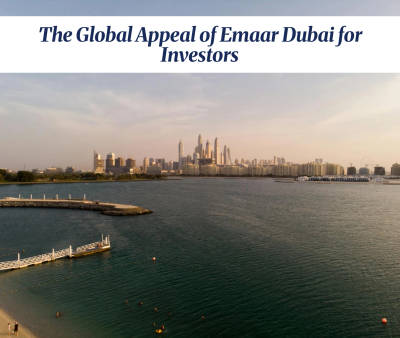
The strategic geographical location of Dubai significantly enhances its appeal, as it serves as a convenient middle ground between the East and West. This favorable positioning not only attracts a diverse expatriate population but also draws investments from all around the world. Residential properties in noted areas like Downtown Dubai, Palm Jumeirah, and Dubai Marina are prime examples of the high-end segment of the market. These areas are not only known for luxury but also for their robust infrastructure, connectivity to essential services, and lifestyle offerings that include shopping complexes, schools, and a plethora of dining options, all of which add to the allure and subsequent pricing of properties here.
While Dubai's luxurious real estate offerings often capture the spotlight, it's important to acknowledge the regulatory framework that shapes the property market. Policies that govern foreign ownership, rental yields, and freehold property choices play a critical role in stabilizing the market and ensuring sustainable growth. Over the years, initiatives by the Dubai Land Department and the introduction of the Real Estate Regulatory Agency have streamlined processes, enhanced transparency, and fostered an environment conducive to investment. These measures have not only bolstered investor confidence but have also made Dubai a benchmark for real estate growth in the MENA region. Understanding these regulatory environments is crucial for prospective investors who are gauging their entry point into the Dubai market.
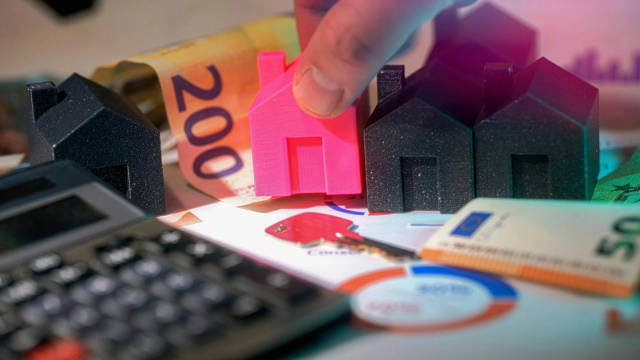
Comparative Real Estate Analysis: Dubai vs. New York City
The juxtaposition of real estate costs in Dubai and New York City offers a fascinating insight into the dynamics of global property markets. New York City, known for its sky-high property prices, serves as a benchmark for real estate valuation worldwide. Homebuyers in Manhattan, for instance, often encounter prices that can soar beyond several million dollars even for modest apartment spaces. Such high valuations are driven by New York's status as a financial powerhouse, the cultural capital of the world, and its limited land space contributing to the scarcity and premium pricing. Compared to this, Dubai offers a relatively wider spectrum of affordable luxury properties, making it an attractive counterpart for those eyeing high-end real estate investments without the exorbitant price tag.

In terms of architectural offerings, both cities boast impressive skyline aesthetics; however, the costs for attaining such luxury come at different price points. In Dubai, buyers can acquire spacious apartments or villas with stunning views of iconic landmarks like the Burj Khalifa or the tranquil Arabian Gulf for prices that would fetch smaller spaces in New York's packed boroughs. Moreover, Dubai’s favorable tax regime further enhances its desirability, offering property investors the benefit of no capital gains tax, while New York property owners face significant state and city taxes, impacting the overall returns from real estate investments.
An interesting point of divergence between these two metropolises lies in their rental yields and occupancy rates. Despite New York City's high real estate prices, its rental yields are often lower compared to Dubai, given the intense competition and market saturation. Dubai, on the other hand, consistently offers higher rental yields, thanks in part to its steady tourism and expatriate inflow, which ensure consistent demand for rental properties. These yields, alongside a low vacancy rate, make Dubai a strategic choice for investors searching for properties that offer both value and income potential over the long term.

Dubai vs. London: Lifestyle Costs and Real Estate
London and Dubai are cities often pitted against each other, especially in discussions surrounding real estate and lifestyle costs. London, with its historical charm and established economic status, attracts a global clientele interested in securing property within a city steeped in tradition and modernity. Real estate prices in prestigious areas such as Kensington, Chelsea, and Mayfair often exceed millions of pounds, owing to high demand, limited supply, and strict planning regulations that restrict new developments. The juxtaposition to Dubai’s more modern real estate market is stark; Dubai's pricing, reflective of its rapid expansion and ambitious urban development projects, offers luxury at relatively lower costs.
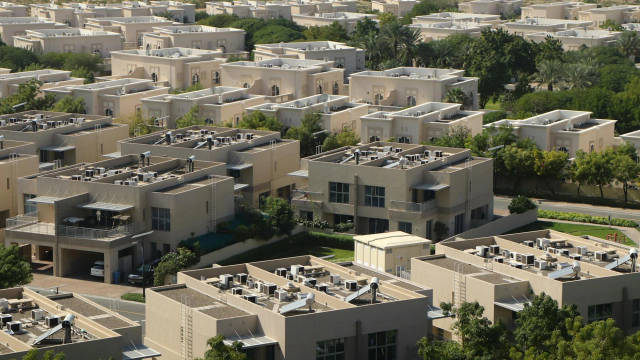
Beyond pricing, the property acquisition process in London tends to be more protracted and heavily taxed, adding to the initial cost of purchase. Prospective buyers face substantial stamp duties, a point of financial contention for many investors. Dubai's property acquisition process, conversely, is characterized by lower transaction costs and fewer bureaucratic hurdles, making it an easier and more attractive market for foreign investors. This ease is complemented by Dubai’s emphasis on facilitating foreign investment through freehold zones, where foreigners can purchase property outright, a significant draw for investors considering property as a part of their portfolio.
Lifestyle costs, another critical factor, differ significantly between these two global cities. London is known for its high cost of living, from transportation to dining, with costs generally reflecting the city’s status as an expensive global hub. Dubai, while known for its luxury offerings, provides a range of lifestyle options suited for various budgets. The cost of utilities, transportation, and leisure activities in Dubai can be more affordable than in London, increasing the city’s appeal for expatriates seeking an opulent lifestyle without exorbitantly high living expenses. Ultimately, this cost-efficiency extends to Dubai's real estate, offering a balanced proposition of luxury and value for those willing to invest.
Sydney vs. Dubai: Real Estate Trends and Investment Potential
Sydney and Dubai present unique real estate propositions, both underpinned by distinct cultural and environmental aesthetics. Sydney's property market is renowned for its coastal allure, characterized by its proximity to the beach and harbor, driving premium prices in suburbs like Bondi, Manly, and the city center. The Australian lifestyle, offering sunshine and the great outdoors, aligns closely with Dubai's own sunny disposition but varies distinctively in terms of real estate costs and trends. Property prices in Sydney are traditionally high, influenced by the natural geographic restrictions and strong demand from both domestic and international buyers. In contrast, Dubai's expansive city planning and abundant land resources have afforded more competitive pricing in luxury property segments.
However, the investment dynamics between these cities reveal interesting contrasts. Sydney’s real estate market is viewed as stable but experiences slower growth due to governmental interventions such as restrictions on foreign property ownership and regulations aimed at controlling housing prices. As a result, property price appreciations are more incremental, opting for long-term stability over rapid growth. Dubai, meanwhile, has crafted an investment-friendly environment with broader options for foreign ownership and no restrictions on repatriation of funds or capital gains. These policies contribute to faster growth, presenting opportunities for higher returns compared to more regulated markets like Sydney.
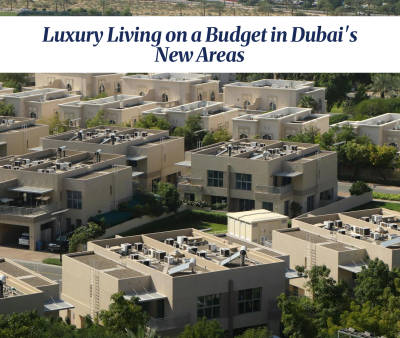
When measuring investment potential, Dubai's real estate stands out for its diverse offering, from luxurious estates in burgeoning suburbs to affordable housing in well-connected neighborhoods, appealing to budget-conscious investors. Sydney's market, often hampered by regulatory hurdles, sees slower turnover compared to Dubai’s dynamic and responsive marketplace. Furthermore, Dubai's ambitious future-centric urban initiatives and continued infrastructure development promise sustained demand and growth, ensuring potential capital appreciation for properties. For investors, Dubai's combination of a favorable business environment, modern developments, and strategic location in the global south makes it a compelling proposition when evaluating real estate investment across international cities.
Frequently Asked Questions
Q1. Why is Dubai's real estate market attractive to investors?
Dubai offers diverse property options, favorable tax regimes, and high rental yields, making it appealing for global investors.
Q2. How does the cost of living in Dubai compare to other major cities?
Dubai offers a relatively lower cost of real estate compared to cities like New York and London, while maintaining a high standard of living.
Q3. What are the benefits of investing in Dubai real estate?
Investors benefit from no capital gains tax, high rental yields, and a strategic location between East and West.
Q4. Is it easy for foreigners to buy property in Dubai?
Yes, Dubai offers freehold zones where foreigners can own property outright, simplifying the purchase process for international buyers.
Q5. What is the future outlook for Dubai's real estate market?
Dubai's continued urban development and infrastructure investment promise sustained growth and attractive investment returns.