




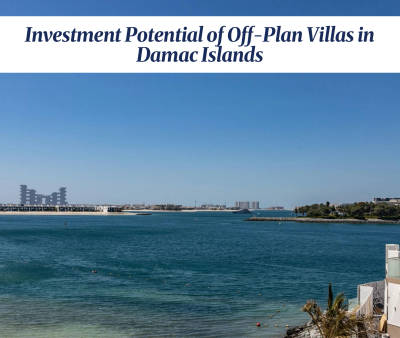
Understanding Dubai's Real Estate Market
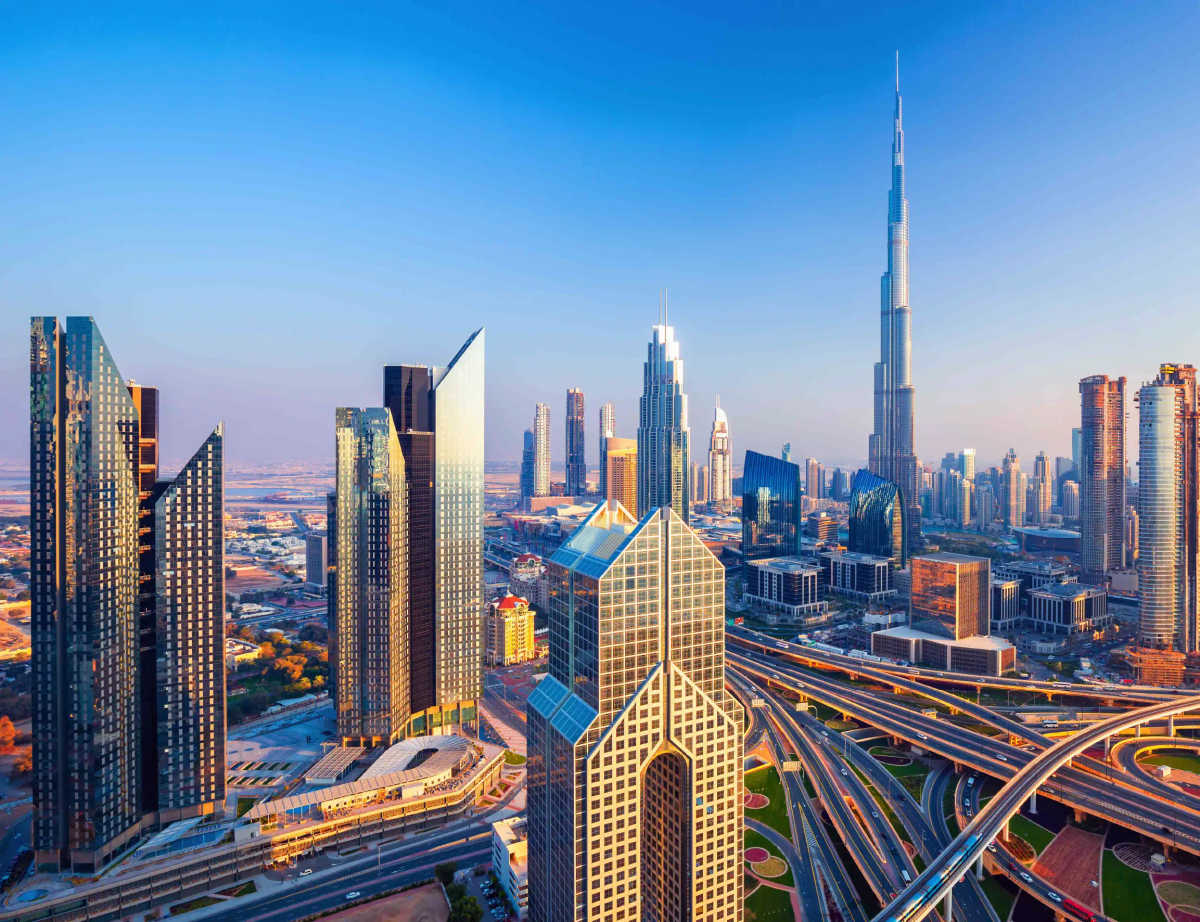
Dubai’s real estate market is renowned for its remarkable growth and resilience. Over the past few decades, it has transformed from a modest urban landscape into a dazzling city known for its futuristic skyline and luxurious developments. This transformation has attracted a multitude of investors seeking high returns on their investments. While lucrative, the market is also complex, with various factors influencing property values and investment potential. Investors need to consider not only the location but also the type of property and its potential for future development. Understanding the cyclical nature of the market, by analyzing historical data and economic indicators, is crucial for making informed investment decisions.

Moreover, the emirate’s strategic geographical location serves as a gateway connecting the East and the West, bolstering its appeal as an investment hub. The government's progressive policies and visionary initiatives like Expo 2020 and Dubai Vision 2021 further propel the market's growth, promising a thriving economic environment. However, investors must remain cognizant of regulatory changes and policies, as these can significantly impact the market dynamics. For instance, the introduction of the value-added tax (VAT) in 2018 required investors to rethink their strategies, showcasing the importance of staying informed about fiscal measures.
Additionally, Dubai's market is characterized by its diverse range of properties, from high-end luxury villas and apartments to affordable housing projects. Each of these segments presents different investment opportunities and risks. Luxury properties, while promising high returns, require significant capital investment and carry the risk of market saturation. On the other hand, affordable housing appeals to a broader demographic, ensuring steadier demand and occupancy rates. As such, thorough research and properly aligning investment strategies with market trends can optimize potential gains and mitigate risks.

Strategies for High Rental Yields
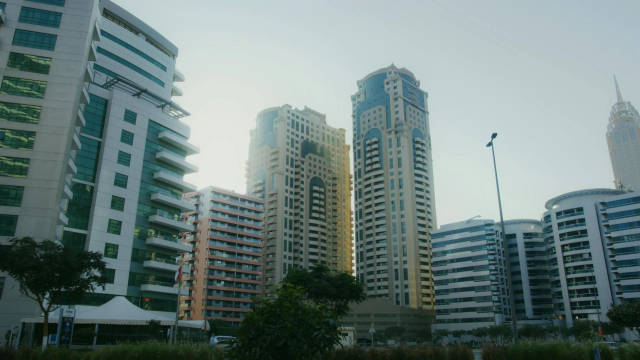
Rental properties in Dubai offer an excellent avenue for generating consistent income. To achieve high rental yields, investors should prioritize properties in high-demand areas, such as Downtown Dubai, Dubai Marina, and Business Bay, where the demand from expatriates and tourists remains strong. Properties in these areas, though often commanding higher prices, tend to offer superior rental returns due to their prime locations, proximity to major attractions, and well-developed infrastructure. Furthermore, by investing in fully furnished or serviced apartments, investors can maximize their rental income as these properties attract higher-paying tenants, such as corporate clients and short-term renters.

In addition to choosing the right location and property type, investors should also focus on property management to enhance rental yields. Employing professional property management services can optimize tenant satisfaction and occupancy rates, securing steady rental income. These services handle everything from marketing and leasing to maintenance and tenant relations, ensuring that the property is well-maintained and appealing to potential tenants. Additionally, maintaining a competitive rental rate, based on market analysis and comparable properties, is essential in attracting and retaining tenants in a competitive market like Dubai.
Innovative techniques such as offering flexible lease terms can also attract a broader range of tenants. For instance, incorporating options for short-term stays, which are increasingly popular due to Dubai's role as a global tourism and business hub, can lead to higher occupancy rates and rental yields. Capitalizing on technology, such as smart home features, can enhance the property's allure and provide a competitive edge, further driving rental demands. Embracing digital platforms for tenant management and interactions also streamlines operations, enhancing overall efficiency and profitability.

Capital Appreciation and Long-term Investments
Investors looking for long-term gains should consider capital appreciation as a primary strategy. By investing in areas poised for future development, such as Dubai South and Jumeirah Village Circle, investors can capitalize on the potential for significant property value increases over time. The ongoing expansion of infrastructure and the introduction of mega projects often lead to property appreciation in adjoining areas, thus offering investors substantial returns. Furthermore, properties in under-developed areas tend to be more affordable, allowing investors to enter the market at a lower price point and benefit from the appreciation as the area matures.
Engaging with developments backed by reputable developers ensures the investment's credibility and anticipated growth. Established developers with proven track records are more likely to deliver projects that appreciate well over time, given their commitment to quality and credibility. Additionally, off-plan properties present compelling opportunities for capital appreciation. These properties are usually sold at lower prices compared to ready-to-move-in units, and their value tends to rise as construction progresses and upon completion, especially in strategically selected areas.
Moreover, diversifying investment across different segments of the market, such as commercial, residential, and industrial properties, can help investors mitigate risks and tap into diverse opportunities for appreciation. A diversified portfolio ensures that investors are not overly reliant on any single market sector, which can be particularly advantageous in times of economic volatility. Market research, along with professional consultancy, can provide invaluable insights into potential growth areas and sectors, aligning with the broader economic strategies of Dubai's development.
Leveraging Dubai's Tax-Free Status and Incentives
One of the most appealing aspects of investing in Dubai real estate is its tax-free status, which significantly enhances potential returns. Unlike many other markets, Dubai does not levy taxes on property purchases, rental income, or capital gains, allowing investors to retain a larger portion of their profits. This is particularly attractive for international investors seeking to diversify their portfolios without being subjected to onerous tax implications. Capitalizing on this advantage requires an understanding of the market and choosing the right time to enter and exit investments, ensuring maximum profitability.
Additionally, Dubai offers a range of incentives for foreign investors, such as investor visas and various residency options that are linked to property ownership. These incentives not only enhance the bond between investors and the local market but also foster long-term investment relationships. Understanding these incentives and structuring investments to take full advantage of them plays a crucial role in maximizing returns. For instance, certain property investments can qualify investors for long-term residency, thereby adding to the appeal of Dubai as an investment destination.
Furthermore, aligning investments with government-driven initiatives can unlock exclusive opportunities. Projects related to tourism, commerce, and technological innovation often receive significant backing from the government, creating a ripple effect throughout the real estate market. Investors can benefit from participating in these initiatives, either directly or by investing in properties that are likely to benefit from their success. Staying informed about these initiatives requires diligent market research and an understanding of Dubai’s long-term vision, as outlined in its strategic development plans.
Frequently Asked Questions
Q1. What are the best areas in Dubai for property investment?
The best areas for property investment include Downtown Dubai, Dubai Marina, and Business Bay due to their high demand and development potential.
Q2. How can I achieve high rental yields in Dubai?
To achieve high rental yields, focus on investment in prime locations, employ professional property management, and consider furnished or serviced apartments.
Q3. What factors influence property appreciation in Dubai?
Infrastructure expansion, government initiatives, and proximity to mega development projects significantly influence property appreciation.
Q4. Are there any taxes on property investments in Dubai?
No, Dubai does not impose taxes on property purchases, rental income, or capital gains, allowing investors higher profit retention.
Q5. How can I benefit from Dubai's government incentives for property investors?
Investors can leverage incentives like investor visas and residency options tied to property ownership to enhance their investment appeal.