



Understanding the Tax Incentives in Dubai Real Estate
With Dubai’s property market witnessing dynamic growth, particularly leading up to 2026, the city’s tax incentives play a crucial role in attracting international investors. Unlike many urban real estate markets, Dubai offers a taxation framework that heavily favors investors, setting the stage for lucrative returns. Notably, the absence of property tax, income tax on rental yields, and capital gains tax on property sales creates a unique investment environment. As investors from around the globe examine their portfolios, the appeal of Dubai’s tax-free benefits cannot be overstated, offering a stark contrast to the heavily taxed landscapes found in Western countries. This tax haven effectively positions Dubai as a prime destination for real estate expansion, promising untaxed growth and financial leverage.

Dubai’s commitment to maintaining a favorable business and investment environment extends beyond mere absence of taxes. The government continuously reviews and enhances policies to ensure a competitive edge internationally. The introduction of VAT in 2018, although applicable to commercial properties, further highlights the careful balance Dubai strikes between generating revenue and fostering investor confidence. Residential properties remain exempt from VAT, securing an appealing framework for family-focused and luxury real estate investments. For investors and businesses considering setting anchor in Dubai, this unique combination of competitive tax structures serves as an alluring advantage when compared to other world-class cities.
The strategic edge provided by Dubai’s tax structure is further amplified by the emirate’s global trade reach and economic policies. As an investor, understanding the bilateral tax treaties Dubai has established with numerous countries can enhance your tax efficiency significantly. These treaties often allow for reduced tax rates on certain types of income, illustrating Dubai’s strategic foresight in maximizing attractiveness to foreign investors. In a rapidly changing global economic climate, Dubai's policy to avoid double taxation stands as a beacon of investment confidence, ensuring that both private and institutional investors can maximize their returns with minimal tax liabilities.

Legal Framework: Navigating Dubai’s Real Estate Laws
Diving into Dubai’s real estate laws is essential for making informed property investment decisions by 2026. The Emirate's legal infrastructure supports a transparent and secure property ownership system, essential for both first-time buyers and seasoned investors. The introduction of the Real Estate Regulatory Authority (RERA) has significantly streamlined registration processes, reducing bureaucratic hurdles and ensuring that buyers and sellers operate within a clear legal framework. This regulatory body continues to refine property laws to accommodate evolving market dynamics, offering security and predictability to your investments. As Dubai positions itself as a global business hub, understanding the regulatory landscape becomes indispensable for harnessing the robust potential of its real estate sector.

In recent years, Dubai has also embraced technological advancements to enhance transparency and efficiency within its real estate transactions. The use of blockchain technology in property registration represents a commitment to minimizing fraud and ensuring data authenticity. As processes become increasingly digitalized, investors are offered a seamless transaction experience, thus elevating confidence in property ownership across Dubai. Accompanying technological reforms, new regulations have been introduced to protect buyers' rights and prevent speculative bubbles, including stricter off-plan purchase mandates and escrow account requirements. These legal safeguards guarantee that, regardless of market fluctuations, investors' interests are consistently prioritized.
Additionally, understanding the expatriate ownership laws is crucial for international investors seeking to tap into Dubai’s growth. Non-GCC residents have the liberty to own freehold properties in designated areas, a factor that diversifies investment opportunities. Concrete measures, such as long-term visa schemes linked to property investments, further demonstrate Dubai’s open-door investment philosophy. Navigating the legal privileges accompanying property ownership not only requires a comprehension of local regulations but also a comprehensive strategy to exploit each benefit optimally. With freehold ownership extending beyond residential to commercial and retail real estate, Dubai's propositions cater comprehensively to various investment appetites, underscoring the strategic relativeness of its property sector on the global stage.
The Impact of Dubai’s Economic Vision 2026 on Real Estate
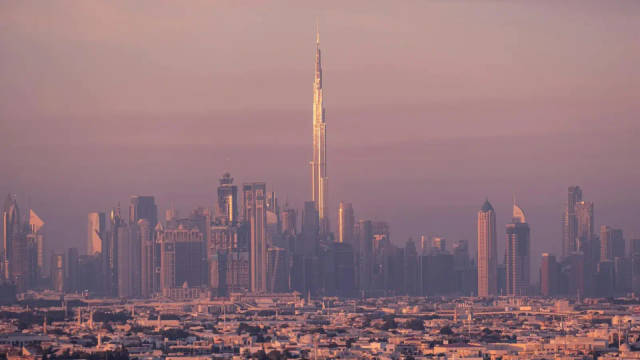
Dubai’s economic blueprint for 2026 is charting transformative impacts across its property market, highlighting the emirate’s ambitious growth trajectory. The plan emphasizes diversifying sources of economic revenue, spearheading projects that promise to fortify Dubai's position as a leading international business and tourism hub. With substantial public infrastructure developments—from advanced transport systems to cutting-edge smart city technologies—the real estate sector is poised to reap significant benefits. Investors seeking to align their portfolios with Dubai’s visionary roadmap must place strategic emphasis on integrating these infrastructural advancements into their investment strategies. This alignment not only ensures lucrative opportunities but also secures long-term asset value appreciation in alignment with Dubai’s growth.
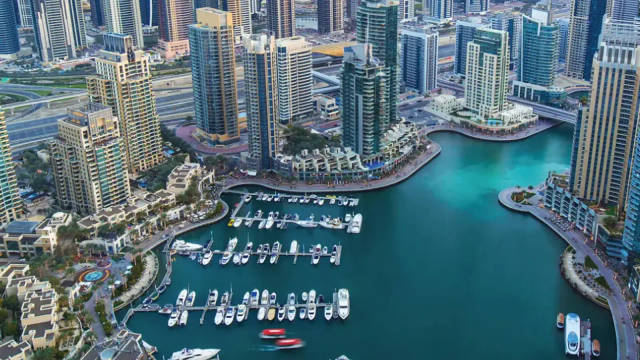
Central to Dubai’s economic vision is the commitment to sustainable growth, reflected through environmentally conscious real estate developments. This strategic emphasis on sustainability resonates loudly across Dubai’s architectural landscape, ushering in innovative green building standards. Real estate investors are witnessing a palpable shift towards sustainable investments, with eco-friendly residential and commercial spaces gaining prominence. These properties, designed with energy efficiency and reduced emissions in mind, are setting new benchmarks for modern living. The integration of these philosophies into Dubai’s economic narrative underscores a broader commitment to fostering an inclusive and forward-thinking society, keeping in line with global sustainability trends.
Supporting the city’s grand economic ambitions is Dubai’s commitment to fostering an entrepreneurial climate, which subsequently impacts its real estate strategies. There is a targeted focus on supporting small-to-medium enterprises (SMEs) through favorable real estate policies and incentive structures. By 2026, the property market is expected to reflect a keen adaptability to burgeoning business needs, particularly in mixed-use developments that meet diverse commercial and residential demands. As Dubai evolves, strategic property investments within its urban fabric will continually demonstrate robust financial growth, driven by an entrepreneurial zeal that propels innovation and diversifies economic resilience. Such a landscape offers compelling reasons for international investors to not only engage with Dubai’s real estate market but to also thrive within its dynamic business ecosystem.
Strategizing Your Investment: Key Considerations for 2026
Strategizing real estate investments in Dubai requires a discerning approach, especially when setting targets for the year 2026. Understanding the demographic and infrastructural evolutions planned over this period will be pivotal. A surge in population growth coupled with high demand for urban living will likely dictate property hotspots and investment viability. Areas undergoing significant development or transformation are anticipated to offer optimal growth potential. This necessitates investors to continuously update their market knowledge and remain adaptable to emerging trends and government canalization of urban expansion. Consideration of market timing and acquisition phases will likewise emerge as critical determinants of investment success in this rapidly evolving landscape.
Interwoven with market analysis, acquiring local expertise and leveraging professional relationships can redefine the potential of property ventures. Engaging experienced real estate agents and consultants provides not only a keen insight into Dubai’s regulatory nuances but also introduces novel investment opportunities. This reliance on local expertise is invaluable in navigating the layered legal and economic contexts prevalent in Dubai’s real estate market. Additionally, aligning investment objectives with legal compliance frameworks helps mitigate risks and optimizes financial return strategies. Cultivating these partnerships will be indispensable in nurturing tailored investment strategies specific to Dubai’s unique property landscape.
Lastly, the diversification of property portfolios through strategic acquisition of varied real estate types—ranging from commercial and residential to niche market spaces like luxury villas or retail outlets—can safeguard against market volatility. Investors are increasingly seeking balanced approaches that spread investment risk while maximizing growth potential across Dubai’s expansive real estate offerings. This diversified investment philosophy harnesses the multi-faceted potential of Dubai's sectors, minimizing exposure while capitalizing on high-yield opportunities. Ensuring that your strategy accommodates both direct and indirect investments, such as Real Estate Investment Trusts (REITs), further bolsters immunity to market shocks and secures sustainable returns in the long term.
Frequently Asked Questions
Q1. What are the major tax benefits for real estate investors in Dubai?
Dubai offers significant tax benefits including no property tax, capital gains tax, or income tax on rental yields, making it an attractive location for real estate investments.
Q2. How does Dubai ensure legal transparency in property transactions?
Through entities like RERA and innovations such as blockchain for property registration, Dubai ensures legal transparency and efficiency in real estate transactions.
Q3. Can non-residents own property in Dubai?
Yes, non-GCC residents can own freehold properties in designated areas, making Dubai one of the few cities in the region offering such privileges to foreigners.
Q4. What role does sustainability play in Dubai's property market?
Sustainability is a key focus, with increasing development of eco-friendly and energy-efficient buildings aligning with Dubai’s commitment to sustainable urban growth.
Q5. What investment strategies are recommended for Dubai's 2026 real estate market?
Investors should focus on emerging hotspots, leverage local expertise, diversify portfolios, and keep abreast of the dynamic legal and market conditions as part of their strategy.