



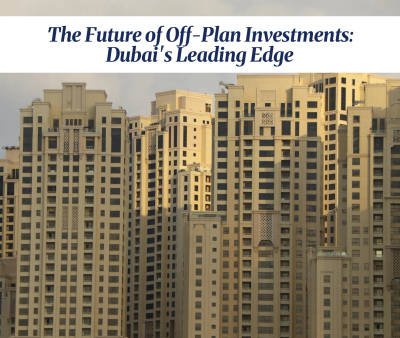
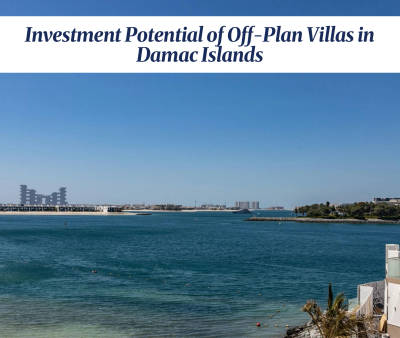
The Impact of DAMAC on Sustainable Development
DAMAC Properties, an established pillar in Dubai's real estate landscape, has been instrumental in embedding sustainability into their developments, bridging impeccable luxury with environmental stewardship. By leveraging cutting-edge technologies and environmentally responsible materials, DAMAC has successfully innovated its construction processes to significantly cut down on carbon footprints. Their approach involves integrating renewable energy solutions, such as solar panels, into their high-rise buildings, reducing dependency on non-renewable energy sources. This not only curtails the overall energy demand but also elucidates a conscientious shift towards combating climate change.

In addition to energy solutions, DAMAC has proliferated the use of smart home systems across their projects, allowing residences to monitor and control energy usage meticulously. Through the application of IoT devices, DAMAC homeowners are empowered to optimize their energy consumption, resulting in reductions in utility bills and resource wastage. Such initiatives are seamlessly merged into the architectural aesthetics of DAMAC properties, making sustainability an intrinsic aspect of upscale living rather than a supplementary feature.
Further expanding their eco-footprint, DAMAC has embraced water conservation measures by integrating advanced plumbing systems that drastically reduce water usage. From low-flow faucets to smart irrigation systems, their properties boast comprehensive solutions to tackle the pressing issue of water scarcity in the region. The developer’s commitment extends beyond construction to include community-driven programs that encourage residents and stakeholders to adopt sustainable practices, underscoring the impact of collective responsibility in achieving environmental sustainability.
Sobha Realty’s Green Building Initiatives
Sobha Realty, synonymous with luxury and quality, has boldly ventured into the realm of green building, driven by a philosophy that balances asset value with ecological welfare. Their commitment is exemplified in the Sobha Hartland project, which stands as a testimony to the application of sustainable principles throughout its expansive urban forest and biodiversity-conserving architecture. By ensuring 30% of the development is enveloped in greenery, Sobha not only enhances aesthetic appeal but fosters an ecosystem where urbanization and nature coexist harmoniously.

The developer has adeptly incorporated green building certifications such as LEED into their projects, reinforcing their pledge to global sustainability standards. Sobha Realty's meticulous approach to design ensures optimal natural light and ventilation, significantly reducing the energy consumption needed for lighting and temperature control. Each of their undertakings is a confluence of eco-sensitivity and luxury, entrenched in the notion that future living spaces must reflect environmental consciousness without compromising opulence.
Sobha is relentlessly working towards establishing low-impact construction processes. Utilizing prefabrication and modular construction techniques, the company minimizes waste and pollution, setting a benchmark for responsible development. Beyond construction, Sobha emphasizes building communities that are informed about sustainability; engaging stakeholders with workshops and sustainability literacy programs, fostering an understanding and commitment to protecting Dubai’s natural resources while enjoying the comforts of modern amenities.
Danube’s Affordable and Eco-Friendly Housing Solutions
Danube Group has carved a niche for itself by seamlessly weaving affordability into the fabric of sustainable housing. Recognizing a burgeoning market segment that demands both cost-effectiveness and environmental integrity, Danube’s approach is visionary, offering comprehensive solutions that are financially accessible yet environmentally advanced. Through innovative modular construction processes and economies of scale, Danube is able to lower the cost of green-friendly apartments, broadening their appeal to middle-income buyers.

Central to Danube’s sustainability ethos is the integration of renewable materials and energy-efficient systems within their residential spaces. Their projects often feature rainwater harvesting systems, solar panels, and thermal insulation, all aimed at reducing the ecological footprint of their developments. By making eco-friendly homes affordable, Danube is democratizing sustainable living, ensuring it is not a privilege of the affluent but a possibility for a wider audience.
The social impact of Danube’s developments is augmented through community-centric initiatives that promote sustainable living practices among residents. Educational workshops, community gardens, and recycling programs are just some of the ways Danube fosters a culture of sustainability within its communities. Such initiatives are crucial in reshaping public perception about environmental responsibility, positioning Danube Group as a leader in the socially-conscious real estate landscape of Dubai, championing a more equitable approach to sustainable urban development.
The Future of Sustainable Real Estate in Dubai
As Dubai steadily marches towards its ambitious goal of becoming one of the world’s greenest and most livable cities, the landscape of real estate is set to undergo transformative changes. Developers like DAMAC, Sobha, and Danube are at the forefront of this revolution, crafting a blueprint for future urban development that champions eco-efficiency, resilience, and innovation. With the consciousness for sustainability firmly embedded in their business models, these developers are well-equipped to rise with the demands of modern consumers who value environmental integrity equally with luxury.
The impact of pioneering sustainable development extends beyond immediate environmental benefits, aligning with Dubai’s broader socio-economic goals. As these developers continue to integrate green technologies, they are catalyzing economic opportunities through the creation of ‘green jobs’ in the region, fostering new markets for eco-friendly construction materials, and elevating Dubai's global standing as a hub for sustainable innovation. Such initiatives are set to have ripple effects across industries, potentially transforming the very fabric of how cities and communities are designed and lived within.
Looking ahead, collaboration between public policy and private enterprise will be pivotal in accelerating the adoption of sustainable real estate practices. As seen with leading developers like DAMAC, Sobha, and Danube, there's an extensive scope for harnessing advanced technologies and innovative materials to sustainably meet the housing demands of Dubai's growing population. The resultant synergy amplifies the city’s sustainability ethos, ensuring that future developments are not just about iconic architectures but about habitats that respect the planet, offering holistic well-being and enriching quality of life for all its inhabitants.
Frequently Asked Questions
Q1. What sustainability strategies do DAMAC employ?
DAMAC employs strategies like renewable energy integration, smart home systems, and water conservation technologies.
Q2. How does Sobha Realty incorporate green building initiatives?
Sobha integrates green spaces, uses sustainable materials, designs for natural light, and adheres to global green building standards.
Q3. What makes Danube’s projects both affordable and eco-friendly?
Danube uses modular construction, renewable materials, and energy-efficient systems to keep costs down while promoting sustainability.
Q4. What future trends are expected in Dubai's real estate sustainability?
Trends include increased renewable energy use, smart city technologies, eco-friendly material advancements, and tighter integration of sustainability with luxury.
Q5. How do these developers impact Dubai's global sustainability efforts?
They set benchmarks in sustainable urban development, contribute to global innovation hubs, and create eco-conscious living environments.