



Understanding Dubai's Living Costs: A Breakdown
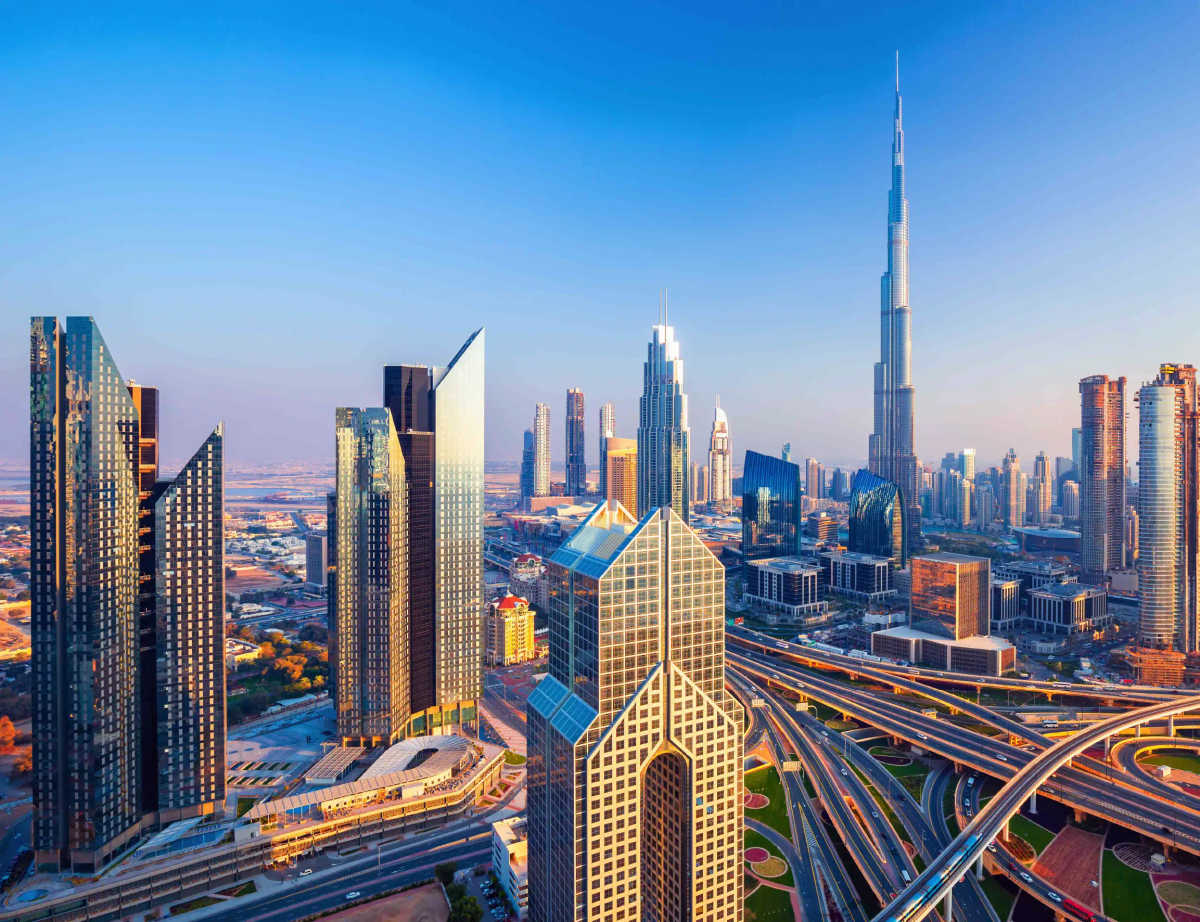
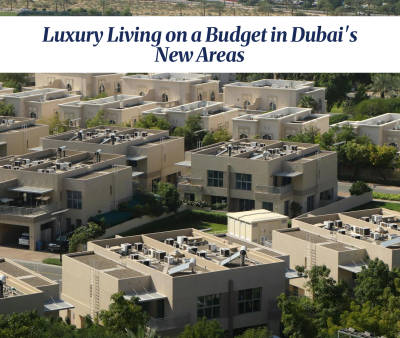
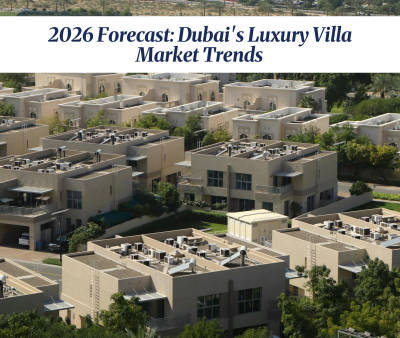
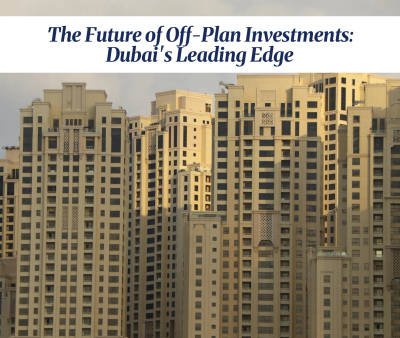
At the heart of Dubai's expensive living costs is the housing market, which often causes sticker shock. Prime locations such as Downtown, Dubai Marina, and Emirates Hills are lauded for their proximity to key city attractions and luxurious amenities, driving property values significantly higher than other parts of the city. These areas encapsulate Dubai’s promise of luxury living, with apartments boasting cutting-edge smart technologies, access to private beaches, and sweeping views of the city's iconic skyline. This atmospheric lifestyle is alluring, making property a highly competitive market where prices can seem astronomical. However, for many expatriates who enjoy tax-free salaries, investing in such opulent properties is a justified expense given the blend of comfort, convenience, and potential appreciation in value that real estate here promises.

Beyond housing, Dubai’s cost of living is further inflated by the price of groceries and dining out. While international brands and an array of cuisines are readily available, the cost leans on the steeper side, compounded by import taxes on various products not locally sourced. Residents often opt for local produce when attempting to balance cost while keeping quality in check. Dining at some of Dubai’s high-end restaurants, helmed by renowned international chefs, is perceived not just as a meal, but an experience that is worth the outlay. For those who consider cuisine a crucial part of their lifestyle, the cost is a small price for indulgence, making it more satisfactorily justified by the unparalleled dining experiences.
Transportation also contributes significantly to the city’s cost of living, although Dubai's public infrastructure is extensive and modern. While public transport, like the metro, is relatively affordable, owning a vehicle can add substantial ongoing costs, primarily due to fuel charges and car insurance. A private vehicle is often considered a necessity due to the city's spread-out nature and high temperature, which can deter dependence on walking or cycling. For many residing in outer suburbs, having a personal vehicle offers convenience, and when factoring in time saved and comfort gained, the associated expenses are often deemed justifiable. Thus, Dubai manages to balance the high transportation costs by offering unmatched convenience and flexibility, essential for maximizing personal productivity and comfort.

Economic Factors Behind Dubai’s Pricing
Understanding whether Dubai’s cost of living is justified also requires insight into the unique economic factors at play within the city. Over the past few decades, Dubai has transformed into a pivotal business hub, luring multinational companies and entrepreneurs with its tax-friendly policies, strategic location bridging the East and West, and a regulatory environment conducive to innovation and growth. This meteoric rise has inevitably escalated real estate values as demand surges from businesses keen on establishing a presence in this vibrant center. High demand ensures the survival of premium pricing across most sectors, particularly in prime real estate and luxury goods. However, the robust infrastructure, coupled with a booming job market, essentially serves to offset the sting of living costs, painting them as investments in thriving economic and personal opportunities.

Moreover, Dubai’s cost structure is influenced by its tax regime, which, while being generally tax-free, does engage in certain fees and levies that govern lifestyle costs. Property tax in Dubai, often seen in the form of housing fees as a percent of annual rent, can contribute to the perception of high living costs. Nonetheless, the absence of income tax and VAT for long periods has historically made Dubai an attractive locale for expatriates, rationalizing higher direct consumer costs. This interplay of taxes and subsequent disposable income levels sustains both luxury consumption and investment prospects, making such expenses more palatable.
The peg of the UAE Dirham to the US Dollar further exerts influence on Dubai’s economic landscape. This fixed currency regime provides stability, a critical factor for investors and international businesses considering Dubai as a stable financial base amidst regional volatility. However, it also means that localized economic adjustments, such as inflation, are inextricably linked to global currency movements and fiscal policies emanating from the US. The relative purchasing power can see fluctuations, contributing to variances in perceived value for money on consumer goods and services, yet it remains an underpinning strength in the economic stability that characterizes Dubai’s financial allure.

Lifestyle: Quality and Extravagance in Dubai
For many, the justification for Dubai’s high cost of living lies in the unparalleled quality of life it promises. The city is a nexus of cultural diversity, hosting an array of cultural festivals, sports events, and entertainment options that cater to an international audience. These multifaceted offerings enhance the cultural fabric of Dubai, offering residents a sophisticated lifestyle brimming with options. The vibrant arts scene, coupled with world-class shopping malls and luxury leisure establishments, underscores a standard of living that is particularly attractive to affluent professionals and their families seeking a comprehensive lifestyle offering without ever needing to leave the city limits.

Educational facilities in Dubai are another cornerstone of its luxurious lifestyle, featuring international schools offering curriculums that cater to myriad expatriate communities. These institutions often feature state-of-the-art facilities, globally accredited programs, and a range of extracurricular activities that set the stage for holistic development. While private education in Dubai is costly, it is a necessary investment for expatriate families keen on providing their children with internationally recognized qualifications that ensure a seamless transition to higher education abroad. The alignment of such costs with the educational value provided often justifies the expense for families intent on academic excellence.
Healthcare in Dubai further complements its appeal as a place to settle, with a comprehensive range of top-tier medical services. Hospitals and clinics are equipped with cutting-edge technology and staffed by skilled professionals drawn from around the world, ensuring high standards of care. While expatriates must maintain health insurance, residents enjoy access to high-quality private healthcare facilities with relative ease and efficiency. The perceived expense here translates into timely and effective medical attention, a significant comfort for potential residents considering the relocation. When benchmarked against global healthcare standards, Dubai’s health services provide value that matches the cost, reinforcing the city’s status as a haven for secure and fulfilling living conditions.
Weighing the Cost Against the Experience
Ultimately, assessing the justification for Dubai’s cost of living involves evaluating whether the intangible benefits, such as quality of living and professional opportunities, outweigh the financial expenditure. The city’s ranking as a top destination for career advancement, particularly in fields like finance, logistics, and technology, provides significant drawcards for professionals eager to accelerate their careers in a thriving market. The ability to network within such a dynamic and internationally diverse environment is invaluable, lending expatriates not just the opportunity to excel professionally but also to experience a wide-ranging and robust social milieu. This factor alone can provide enough incentive for many to absorb the city's significant living costs.
Life in Dubai is famed for its extrinsic luxuries, but many residents argue that the intrinsic benefits of safety, modernity, and quality of life are what truly justify costs. With one of the lowest crime rates globally and a cityscape embellished with serene desert vistas alongside bustling urban life, Dubai offers a duality of experiences that few other cities can mirror. Additionally, the emirate’s robust commitment to environmental sustainability and efficient public policies aimed at enhancing urban life further adds layers of justification. Such initiatives not only augment livability but also forecast long-term residential benefits.
The balance of cost versus experience also highlights how personal fulfillment and lifestyle choices affect perceptions of value. Many expatriates willingly pay a premium for the lifestyle Dubai offers, valuing the opportunity to immerse in a modern metropolis where innovation and tradition coexist seamlessly. The high prices paid through daily expenses and exclusive access are viewed as entrance fees to a unique tapestry of experiences spanning luxury, culture, and tradition. As a cornerstone of global living, Dubai’s cost of living might structurally appear steep, yet for many residents, it is a price worth paying for a slice of its extraordinary offerings.
Frequently Asked Questions
Q1. Is it expensive to live in Dubai?
Yes, Dubai is known for its high cost of living, particularly in housing and luxury goods, but many find it justified due to tax benefits and quality of life.
Q2. What are the main factors behind Dubai’s living costs?
High real estate prices, luxury demands, and international goods contribute, alongside the unique economic policy and tax structure.
Q3. How does public transport affect living costs?
While public transport is affordable, private vehicle costs can be high due to fuel and insurance, balancing convenience with expenses.
Q4. Are there affordable living options in Dubai?
Yes, opting for suburban residences or avoiding high-end areas can reduce costs significantly, though luxury remains a cost driver.
Q5. Does Dubai offer value for money?
For many, Dubai's sophisticated lifestyle, safety, and economic opportunities provide justifiable value outweighing the high living costs.