






Understanding the Economic Climate
The economic landscape is evolving rapidly in both India and Dubai, driven by shifts in global trade dynamics, technological advancements, and policy reforms. In India, the government has introduced various fiscal and monetary policies to stabilize and grow the economy post the pandemic. With a focus on boosting infrastructure, digital economy, and overseas investments, India's economic landscape is gradually turning investor-friendly. Additionally, the ease of doing business initiatives in India have shown promise, encouraging foreign direct investment. Conversely, Dubai continues to leverage its strategic geographical location and its status as a global hub. With continuous investments in infrastructure, technology, and R&D, Dubai aims to maintain stability in its economic climate even as global uncertainties loom.

Dubai's economy is largely driven by tourism, real estate, and financial services – sectors that have demonstrated resilience through strategic diversification. The introduction of policies such as long-term visas and 100% foreign ownership in certain sectors is designed to enhance its investment appeal. The upcoming Expo 2020, despite being delayed, is set to project Dubai on a new trajectory of growth by attracting international investments. Moreover, Dubai’s strong connectivity with global markets and its advanced infrastructural framework contribute to a stable economic environment, promising consistent growth in the coming years.
For investors, understanding these economic climates is crucial as both regions present unique opportunities and challenges. While India offers a massive domestic market with a burgeoning middle class and high growth potential, Dubai provides a cosmopolitan investment environment with advanced logistics and a strong regulatory framework. Assessing global and local economic trends will be critical for investors looking to allocate their investments strategically in 2025. Hence, a nuanced understanding of these markets will equip investors with the tools needed to make informed decisions and optimize their portfolios for maximum returns.

Investment Opportunities in Real Estate
In India, the real estate market is diverse and dynamic. With urbanization on the rise, residential and commercial properties are seeing increased demand. Initiatives like 'Housing for All', along with tax incentives for real estate investments, bolster the sector’s appeal. The introduction of RERA has brought in transparency and boosted investor confidence. As Tier 2 and Tier 3 cities see significant growth, real estate in these areas presents lucrative opportunities. Furthermore, the emergence of REITs in India provides investors with a chance to indirectly invest in real estate, offering diversified exposure to the commercial sector and a steady income stream.

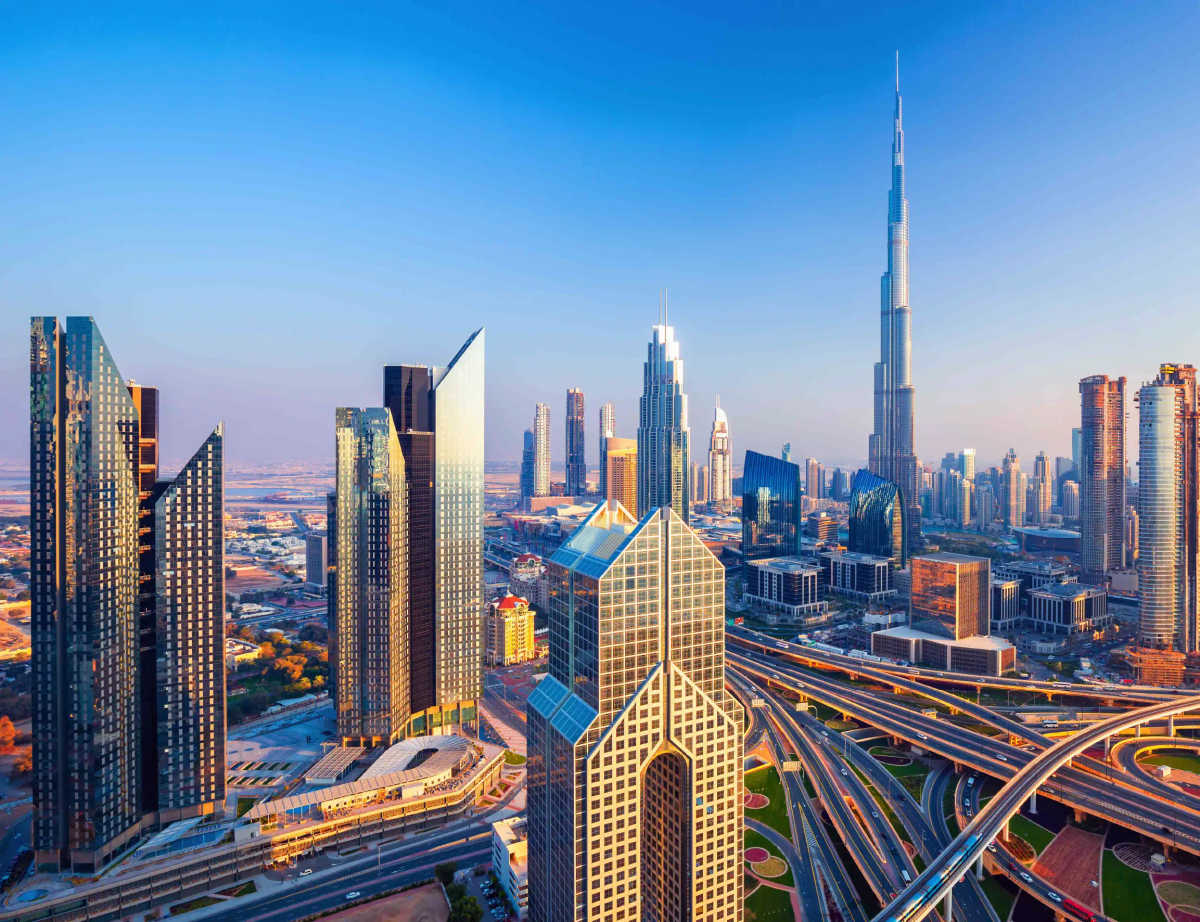
Dubai’s real estate market, on the other hand, is synonymous with luxury and innovation. High-yield opportunities abound in both residential and commercial sectors. With the post-pandemic recovery underway, the demand for residential properties, particularly in the villa and townhouse segments, is gaining ground. Dubai’s strategic policies to attract foreign investors, advanced infrastructure, and buoyant tourism sector solidify its standing as a prime investment destination. Additionally, Dubai's focus on sustainable developments is making green real estate a promising venture for environmentally conscious investors.
For investors comparing India and Dubai, the choice depends on their investment goals. If capital growth is a primary objective, India’s expansive market and potential high returns on emerging property segments present a compelling argument. Alternatively, for those seeking a robust regulatory environment with a proven track record, Dubai offers a sophisticated market with established returns, especially in the premium property sector. In essence, a successful real estate investment strategy for 2025 will require balancing these factors and understanding both the micro and macroeconomic drivers in each market.

Analyzing Risk Factors
When analyzing the risk factors associated with investing in India, several macroeconomic concerns must be addressed. India is known for its bureaucratic challenges, which can pose hurdles for foreign investors. Regulatory compliance and approval processes can delay projects and increase costs. Additionally, while the rise of nationalistic policies might boost certain sectors, they may also pose barriers to open foreign trade. Political stability, while generally steady, is another factor to consider in the Indian landscape, as regional politics can impact investment climates significantly.

Dubai presents a different set of risks. Being heavily reliant on oil for overall economic stability, fluctuations in oil prices can indirectly influence investor confidence. Moreover, Dubai faces intense competition from other regional hubs and global cities striving to attract the same pool of investors with similar offerings. Geopolitical tensions in the Middle East can also present risks that might affect investor sentiment, though Dubai has generally managed to maintain relative stability. Additionally, the luxury property market can be susceptible to global economic shifts, making certain property investments more volatile.
Ultimately, risk management in both India and Dubai requires a robust understanding of local market dynamics, along with a global perspective. Seasoned investors often utilize hedging strategies, diversifying across asset classes and geographies to mitigate impact during downturns. Another layer of consideration is leveraging local expertise and partnerships, which can provide insight and navigation through local markets smoothly. Therefore, a strategic approach to risk, including both preemptive measures and adaptive strategies, is essential for safeguarding investments against potential volatilities in 2025.
Maximizing Returns in 2025
Maximizing returns in both India and Dubai involves a multi-faceted approach that encapsulates timing, market knowledge, and strategic financial planning. In India, identifying emerging trends such as tech-hub expansions, infrastructure projects, and urbanization can yield high returns. Long-term investments in affordable housing and niche real estate markets, especially in tech-centric cities, promise growth as the economy advances. Additionally, leveraging tax-efficient investment vehicles and government incentives can substantially enhance bottom-line returns.
In Dubai, the focus remains on high-value investments and leveraging its expansive network of free zones and global trade connections. The luxury property market continues to offer high yields, especially with Dubai's aspiration to transform into a key tourism and innovation hub by 2025. Investors can also look at diversifying within Dubai's other sectors such as technology and renewable energy industries, which are poised for substantial growth owing to government support and international partnerships. Understanding global economic trends will thus be crucial as Dubai aligns its strategies with international developments.
In conclusion, strategic differentiation between India and Dubai's investment landscapes should align with the investor's risk appetite and financial goals. A thorough analysis of geopolitical, economic, and market-specific factors for each region will lend clarity and foresight for maximizing potential returns. Armed with data-driven insights and forward-looking strategies, investors are well-positioned to capitalize on the opportunities that 2025 presents across both Indian and Dubai real estate sectors.
Frequently Asked Questions
Q1. What makes Dubai a prime investment hub in 2025?
Dubai's strategic location, regulatory frameworks, and robust infrastructure, combined with new policies like long-term visas, make it an attractive destination for high-value investments.
Q2. How does the Indian real estate market differ from Dubai's?
India offers expansive growth potential in emerging cities with diverse property needs, while Dubai provides a luxury-driven market with stable returns via advanced infrastructure.
Q3. What are the key risks of investing in India?
Key risks include bureaucratic challenges, regulatory hurdles, potential political shifts, and varying compliance standards across regions in India.
Q4. Is the Dubai real estate market resilient to oil price changes?
Despite historic reliance on oil, Dubai has diversified its economy, making it more resilient. However, indirect impacts of oil market fluctuations can still influence investor sentiment.
Q5. What strategies can maximize returns in 2025?
Strategies include diversification, leveraging local insights, investing in growth sectors like tech in India, and luxury and sustainable real estate in Dubai.