







Dubai Property ownership system overview
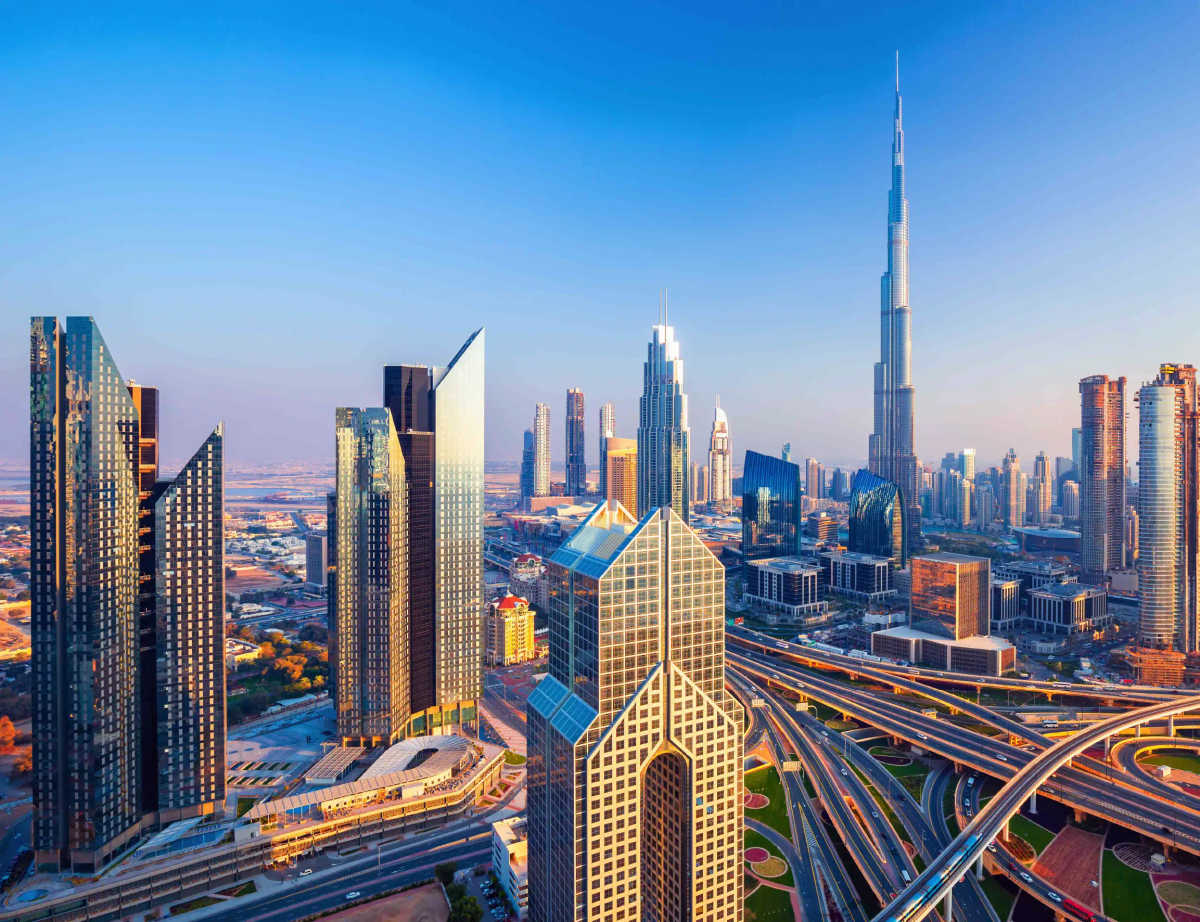
Dubai is currently one of the busiest real estate markets in the world. Its tax-free environment, good infrastructure and rich culture attract investors, entrepreneurs, and expatriates. Owning property is a very attractive alternative.

Owning a property in the UAE has its considerations as far as a foreign investor is concerned. Among the decisions to be made is whether to buy freehold or leasehold. Each alternative has its rights, duties and long-term implications.
This is also an important point to know since your decision will affect the resale potential, the right to inheritance, your visa status, and budgeting. We will now look at the differences to enable you to decide to buy and rent properties.

What is Freehold Property ownership?
Dubai has freehold ownership, which provides the purchaser with full and permanent rights to the property or the land upon which the property is located. When the property is registered by the Dubai land department, it is entirely owned by the buyer. They are free to sell rental property, lease, renovate or transfer it to the heirs.
This type of ownership began in 2002 as a way of attracting foreign investors and has since spread into various prime locations in Dubai. Freehold properties include luxurious waterfront apartments for rent in the Dubai Marina and villas in the Palm Jumeirah, and are located in most of the most desirable areas in the city.
Full control and long-term security is the greatest advantage of freehold ownership. It also means more money must be put into it because these properties are usually costly considering the foreign privileges of location and ownership.
What does Leasehold Property Ownership mean?
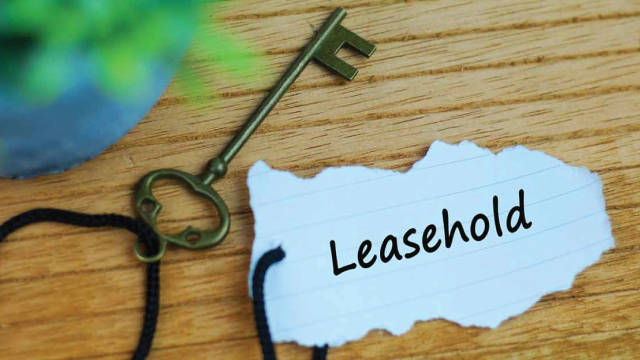
Leasehold ownership enables the buyer to use or occupy a given property up to an agreed period usually 99 years without owning the land. Under this arrangement, the freeholder retains his control over the land whereas the leaseholder is limited in his rights as stipulated in the lease agreement.
This form of ownership is more prevalent in older districts of Dubai, including Deira, Mirdif and Bur Dubai. Leasehold properties tend to be cheaper, so buyers on a lower budget are attracted or those who intend to invest in the short-run.
There are, however, some restrictions that are associated with leasehold ownership. Renovations, structural and subletting may require the landlord to be pre-emptively approved. The ownership reverts to the freeholder after expiry of the lease term unless a renewal is made.
Some of the notable distinctions between Freehold and Leasehold
The most apparent contrast of the two is in the duration of ownership. Freehold refers to ownership of permanency. Leasehold is temporary, and it has a duration of several decades. This difference has a great impact on long-term planning and inheritance.
Flexibility is generally more on freehold properties. When the value of the property met the government requirements, they tended to be offered long-term residency visas. Leasehold home, rent home are cheaper, but they rarely will enable buyers to avail such advantages.
But the bottom line is, it is up to your financial objectives, lifestyle plans and investment strategy. Freehold attracts customers who want stability and control in the long run. Leasehold suits better with people who can be flexible, cheap, and less costly to begin with. Conclusion The question of whether to choose freehold or leasehold property in Dubai is a matter of your financial and lifestyle priorities. Free hold provides complete ownership and security. Leasehold is cheap and flexible. It should be noted that you need to align your decision with your investment strategy.
Frequently Asked Questions
Q1. What is the major difference between freehold and leasehold property in Dubai?
Freehold property grants the purchaser all the rights of permanent and full ownership of the property and the land. Leasehold property, by contrast, gives the purchaser the right to occupy the property over a specified term (typically not exceeding 99 years) after which time the property goes back to the freeholder unless renewed.
Q2. Is it possible to purchase a freehold in Dubai by foreigners?
Yes. In the year 2002, Dubai opened its doors to foreigners who could buy freehold in specific regions of Dubai like Dubai Marina, Downtown Dubai, and the Palm Jumeirah. Buyers have all the privileges to sell, lease, or transfer their property.
Q3. Which is less expensive- freehold or leasehold property?
The freehold properties are usually more expensive than leasehold ones. They are often located in more remote locations, e.g. Deira and Bur Dubai, and tend to attract buyers with less substantial incomes or with less long-term investment plans.
Q4. Are freehold properties in any way superior to leasehold?
Yes. Freeholds ensure long-term security, the option of doing whatever one wants with the property and leasing them as well, and in most instances, a ten-year residency visa can be offered to individuals who can afford the governmental investment requirement on the property. Such benefits are not normally provided with leasehold properties.
Q5. Between freehold and leasehold, which is the better option for investors?
It depends on your strategy. Freehold is preferable when long term stability, capital growth and full control are required. Leasehold is good when you need a lower initial price, short use or need cheaper rent home opportunities but not a long term option.