






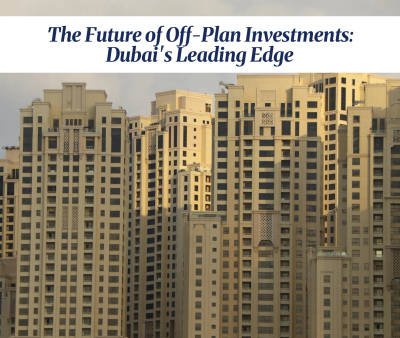
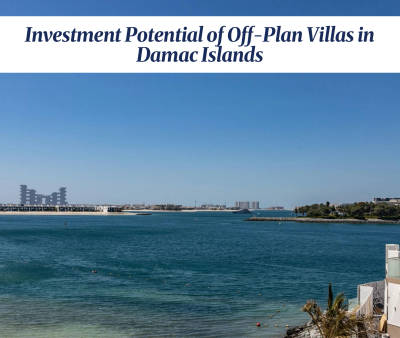
Understanding the Off-Plan Market in Dubai
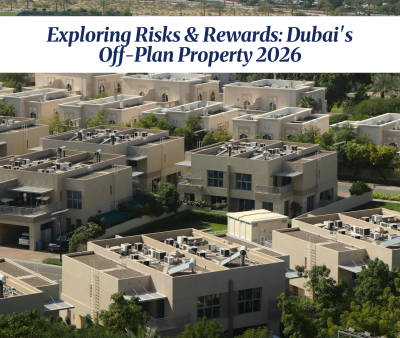
Dubai's real estate scene has long attracted investors due to its strategic location and ambitious architectural endeavors, with off-plan properties standing out as a popular investment vehicle. By purchasing such properties, investors agree to buy from a developer before it's been completed, potentially offering lower prices and the opportunity to customize some features. This sector promises high rewards, especially in a city like Dubai where growth and development are perennial features of the landscape. Despite the allure, understanding the market dynamics and the regulatory framework governing off-plan sales is crucial for making informed decisions.

The market dynamics of off-plan properties in Dubai are heavily influenced by supply and demand patterns related to the broader economic environment. Developers often launch projects during economic booms to capitalize on heightened demand, which can lead to oversupply issues if the market doesn’t sustain its growth. As of 2026, economic forecasts and real estate trends suggest a period of stabilization, which may provide a more secure footing for new investments. Investors need to monitor economic indicators such as tourism rates, oil prices, and governmental policies, all of which significantly impact the real estate market.
Additionally, legal and regulatory advancements over the past few years have redefined the landscape for off-plan investments in Dubai. With enhanced protections for investors, such as the escrow law, where payments are secured in an account until developers meet construction milestones, Dubai aims to boost investor confidence. These regulations require a thorough understanding, as they significantly influence investment safety and potential returns. As complex as these regulations might be, they are designed to enhance market transparency and protect the interests of all parties involved, thus making it imperative for investors to stay informed and update their strategies accordingly.
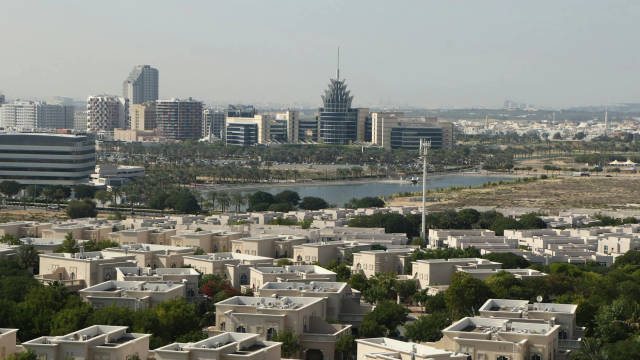
Exploring Potential Rewards
The allure of off-plan properties largely lies in the potential of significant returns on investment. With the right timing and selection of projects, investors can reap substantial profits as property values appreciate upon project completion. Dubai's continued infrastructure development and the city's increasing appeal as a global business hub further bolster potential returns. High rental yields add to the appeal, particularly in sought-after districts known for quality amenities and rapid growth, making early investments in off-plan ventures a lucrative prospect.

Another critical advantage of investing in off-plan properties is the payment plan flexibility offered by developers. Typically, investors need to pay a fraction of the property's total cost upfront, with the balance paid through a structured schedule leading up to and sometimes post-completion. This allows investors to manage their cash flows more efficiently compared to buying a completed property, resulting in a more accessible entry point into the real estate market. For investors with a long-term horizon, the potential for capital gains upon completion of the property coupled with higher rental yields presents a compelling financial proposition.
Off-plan investments also offer investors a unique opportunity to secure premium properties during earlier construction phases. This potentially means having access to prime locations within new developments which might not be available once the project is complete. The opportunity to tailor property features according to personal preferences and future market demands can also add value to these investments. The potential for high appreciation rates, coupled with unique customization options, continues to draw investors to this dynamic market segment, increasing the likelihood of handsome capital returns post-completion.
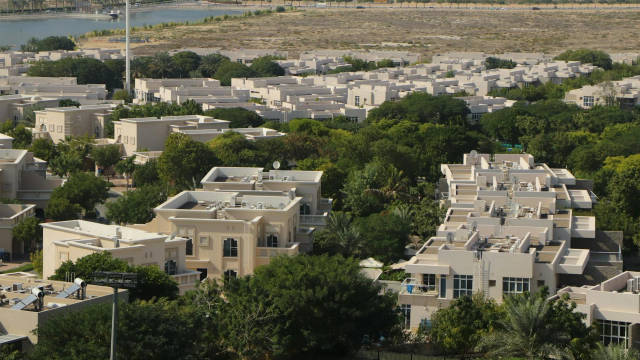
Identifying and Managing Risks
While the potential rewards of Dubai's off-plan property market are enticing, significant risks require careful consideration. Market volatility remains a constant factor, with external variables such as geopolitical tensions, regulatory changes, and global economic shifts affecting market stability. Unsustainable property market booms historically lead to corrections that can adversely affect the value of off-plan properties. Thus, investors must conduct thorough market research and due diligence before committing to off-plan investments, assessing both micro and macroeconomic factors that could impact their investment’s viability.
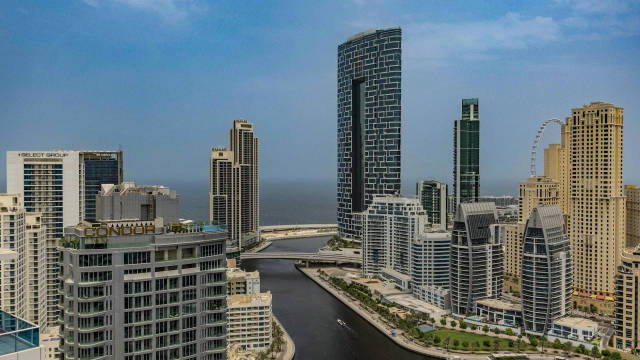
Another inherent risk is the potential for delays or cancellations of the planned projects. Even with increased regulatory oversight, developers may encounter financial difficulties or logistical challenges that lead to construction delays, ultimately affecting projected returns. Investors must clearly understand the developer’s track record and financial health. Selecting reputable developers with a history of project completions on time can mitigate these risks. Diversifying investments across multiple developments might also help in spreading the risk, ensuring that potential issues with a single developer or project do not unduly impact one's overall portfolio.
Moreover, currency exchange fluctuations pose another risk, especially for international investors. Since property transactions in Dubai are conducted in dirhams, unfavorable currency movements can diminish real returns when converting to domestic currencies. Investors should employ hedging strategies or seek advice from financial experts to manage this risk. Similarly, financing risks, including changes in interest rates, can affect the overall investment cost. Being cognizant of these risks and employing prudent financial planning strategies is essential to safeguarding investments in Dubai’s dynamic off-plan property landscape.
Strategies for Successful Investment
To navigate the complexities of Dubai's off-plan property market and maximize success, investors should adopt strategic practices. Thorough research and due diligence form the foundation of any successful investment. Investors should analyze market trends, consult with local real estate experts, and evaluate economic indicators to inform their decisions. Understanding regional development plans and recognizing emerging neighborhoods can also provide a competitive edge, enabling investors to secure properties in areas poised for growth.
Partnerships and collaborations with local market players also play a crucial role in successful off-plan investments. Local real estate agents, financial advisors, and legal consultants are invaluable resources for navigating Dubai's real estate sector. Their insights and expertise can guide investors through the intricacies of the market, enabling better investment decisions and ensuring compliance with local laws and regulations. Engaging experienced professionals helps mitigate risks and maximize potential returns, making it a strategic imperative for investors to build a robust local network.
Diversification is equally important in safeguarding one's investment portfolio. By spreading investments across various properties and developers, investors can mitigate risks associated with individual projects. This approach helps cushion against potential market volatility and developer-specific risks, ensuring a more stable and resilient portfolio. Additionally, investors should remain adaptable, ready to adjust their strategies in response to market dynamics and emerging opportunities. By maintaining a flexible approach and leveraging market insights, investors can effectively navigate the risks and rewards of Dubai's off-plan property market in 2026.
Frequently Asked Questions
Q1. What is an off-plan property?
An off-plan property is a real estate investment purchased from a developer before the project is completed.
Q2. What are the advantages of investing in off-plan properties?
Advantages include lower entry costs, flexible payment plans, potential for high returns, and customization options.
Q3. What risks are involved with off-plan investments?
Risks include market volatility, project delays, developer reliability, and currency exchange fluctuations.
Q4. How can investors mitigate risks in the off-plan market?
Investors can mitigate risks through thorough due diligence, diversifying portfolios, and partnering with local experts.
Q5. What regulations protect off-plan property investors in Dubai?
Dubai's escrow law and other regulations enhance transparency, requiring developers to meet construction milestones before accessing funds.