




Economic Landscape and Stability
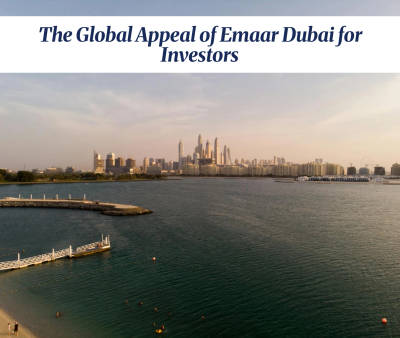
Dubai's economic landscape is one of diversification, transitioning from a primarily oil-driven economy to a dynamic hub of commerce, tourism, and finance. This shift was facilitated by ambitious government policies promoting foreign investment and development of infrastructure, culture, and technology. As the city continues to enhance its global competitiveness, Dubai's real estate market has become a focal point for investors seeking stable and lucrative opportunities. A testament to Dubai’s robust economy is its consistent ranking as one of the top global cities for investment, underpinned by strong regulations protecting property rights and ensuring transparent transactions.
Turkey, on the other hand, stands as a bridge between Europe and Asia, offering a diverse economic environment driven by agriculture, industry, and tourism. The Turkish government has recently prioritized real estate investments, bolstering the industry with incentives for foreign buyers, such as citizenship programs, tax reductions, and streamlined purchasing processes. Despite its dynamic potential, investors must be cognizant of Turkey's economic fluctuations tied to regional political developments, currency volatility, and inflation rates. These factors can influence the real estate market's stability, underscoring the need for thorough market analysis before investment.
In terms of stability, Dubai arguably holds an edge over Turkey due to its strong legal frameworks and the Emirate's ability to respond swiftly and effectively to market changes. Dubai offers a transparent legal environment, which is crucial in safeguarding investments within its ever-evolving property market. In contrast, Turkey's real estate sector, while increasingly reliable, may still pose challenges due to regulatory complexity and evolving economic policies. For long-term investors focused on stability amidst regional developments, Dubai’s regulatory predictability may offer a more secure environment.
Market Growth and Demand
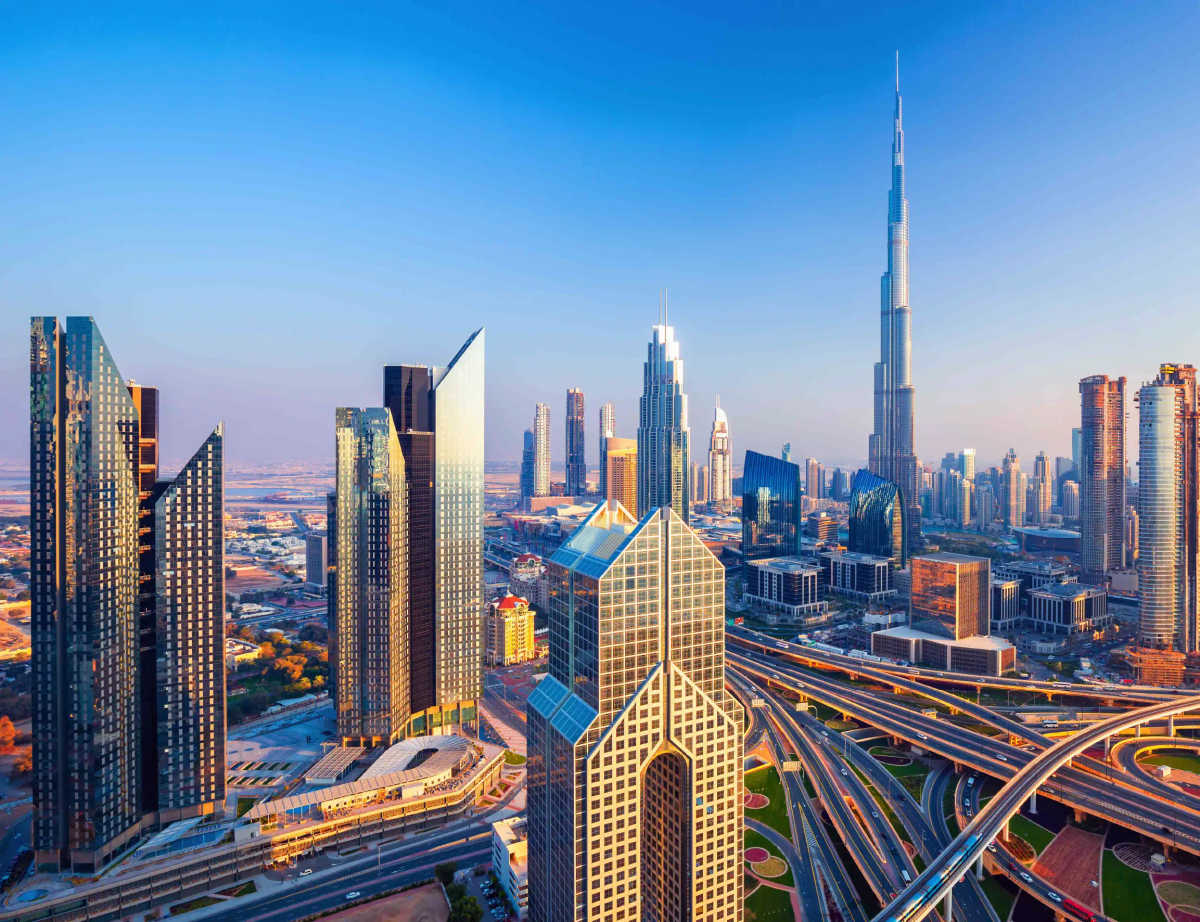
Dubai has experienced exponential growth in its real estate sector, driven by strategic developments and an influx of international investors and expatriates. Known for its iconic skyscrapers and luxurious living standards, Dubai offers a unique blend of modernity and cultural vibrancy that continuously attracts new residents and tourists alike. The government's visionary planning, including infrastructure projects like the Expo 2020, has further accelerated urban development and increased the demand for real estate. This demand is reflected in the steady appreciation of property values, making Dubai a viable market for investors focusing on long-term capital gains.

Turkey's real estate market, defined by its diverse offerings ranging from coastal villas on the Aegean and Mediterranean to cosmopolitan apartments in Istanbul, presents lucrative opportunities for potential investors. Turkey’s increasing population and urbanization drive consistent demand across multiple sectors, from residential to commercial real estate. The Turkish government's commitment to infrastructure projects, such as metro expansions and new airport constructions, continues to underpin real estate development, enhancing the market's appeal. However, periodic political and economic challenges necessitate due diligence by prospective investors considering Turkey's burgeoning yet volatile market.
Comparing demand dynamics, Dubai consistently benefits from its status as a global tourism and business hub, thus maintaining a competitive edge in attracting consistent demand. The local real estate market has proved resilient, even during global economic downturns, primarily due to the inflow of international expatriates and businesses. Turkey's market benefits from more natural population growth and local demand; however, investors must navigate the complexities of regional tensions and economic policies. On balance, Dubai may offer a steadier growth trajectory driven by sustained international demand.

Investment Yields and Profitability
When evaluating real estate investment profitability, rental yields are a critical metric for discerning investors. Dubai consistently showcases attractive rental yields, often surpassing global averages, which range commonly around 5-8% for residential properties. The city's status as a premium international destination enhances its rental appeal, drawing in a diverse group from expatriates to affluent tourists seeking short-term accommodation in luxury developments. This consistent demand ensures a steady flow of rental income, particularly in prime areas such as Downtown Dubai, Dubai Marina, and Palm Jumeirah.

Turkey offers a competitive investment landscape as well, with residential properties presenting yields that typically range from 4-7%. Istanbul, as the country's most populous and economically significant city, demonstrates great potential for rental income, driven by both local demand and tourism. Investors in Turkey benefit from lower initial capital requirements compared to Dubai, making it an appealing entry point for those seeking higher yield potential relative to cost. However, the local currency devaluation must be considered, as it can potentially affect perceived profitability when gauged in foreign terms.
While both markets offer compelling yields, Dubai's strong international reputation, strategic location, and stringent legal regulations provide a well-structured environment for long-term investment stability. In contrast, Turkey, with its competitive pricing and strategic location as a transit and energy hub, presents an enticing yet complex investment scene. For investors prioritizing higher security and fewer market fluctuations, Dubai may present a more attractive profitability landscape over the long term.
Legal and Regulatory Environment
The legal framework in Dubai is highly favorable for international investors looking to navigate the real estate market. Foreign nationals are welcomed to own properties in designated freehold areas, ensuring security of ownership and rights. The government's commitment to a transparent and efficient property transaction process, supported by its comprehensive Real Estate Regulatory Authority, enhances Dubai's investment allure. Legal protections extend to landlords and tenants under the widely respected Dubai Rental Law, creating an equitable environment for all parties involved.
Turkey's legal environment for foreign property investors has evolved positively, with legislation easing the acquisition of real estate post-2012 reforms. Foreigners are granted property rights similar to Turkish citizens, with the exclusion of strategically sensitive locations. Recent improvements include investor-friendly policies such as reduced property acquisition tax and the possibility of obtaining Turkish citizenship through investment. However, navigating this market requires awareness of local laws and potential bureaucratic hurdles, often necessitating the guidance of knowledgeable local legal advisors.
When considering legal comprehensiveness, Dubai's clear set of regulations provide an unequivocal advantage in terms of security and transparency for foreign investors. The Emirate's formal policies and advanced digital platforms simplify procedures, reduce delays, and protect investments. In comparison, while Turkey has made significant strides in attracting foreign investors with advantageous terms, understanding the nuances of local legislation and navigating regional uncertainties can be more complex. For investors prioritizing legal simplicity and robust protection, Dubai emerges as a superior choice.
Frequently Asked Questions
Q1. What are the main differences in real estate investment in Dubai and Turkey?
The main differences lie in market stability, legal frameworks, and rental yields, with Dubai offering stronger regulations and higher consistency in returns.
Q2. Is real estate investment in Turkey risky?
Real estate in Turkey carries some risk due to political and economic fluctuations, despite offering competitive prices and promising yields.
Q3. Why is Dubai considered a stable market for investment?
Dubai provides a transparent legal environment, strong demand from expatriates and tourists, and strategic economic diversification, enhancing market stability.
Q4. How does currency affect real estate investment in Turkey?
Currency devaluation can impact the actual value of returns when converted into foreign currencies, affecting overall profitability for international investors.
Q5. Can foreign nationals easily invest in Dubai real estate?
Yes, foreign nationals can invest in designated freehold areas, supported by streamlined processes and protective legal frameworks, fostering a secure investment climate.