


Understanding the Economic Landscape
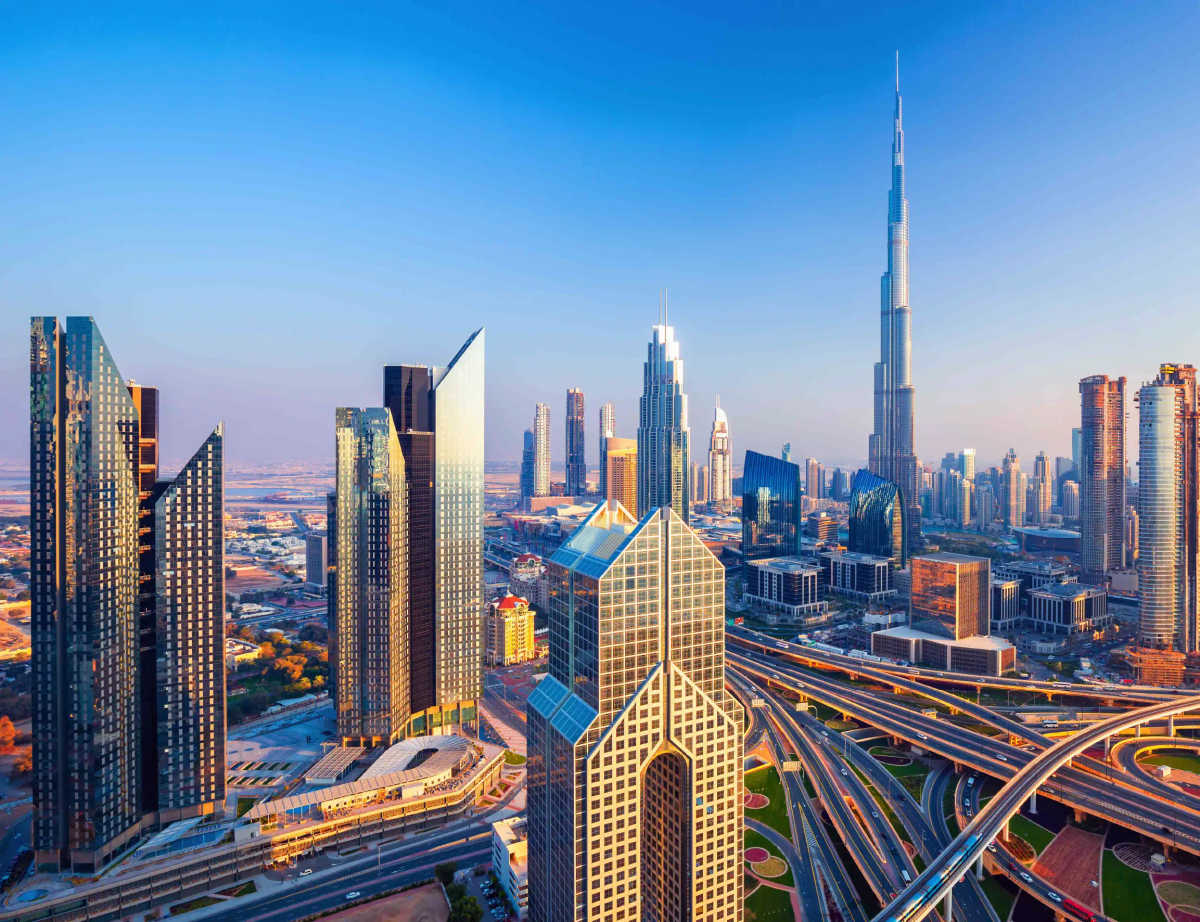
The economic terrain of a city forms the bedrock upon which its real estate market thrives. In Dubai, the economy is characterized by diversification, focusing on sectors such as tourism, financial services, and technology. This shift from an oil-dependent economy to a multifaceted growth framework has propelled Dubai into a formidable position on the global stage. Its rapid development is mirrored in its skyline, with iconic structures rising as symbols of economic resilience. On the other hand, Hong Kong boasts one of the most robust capitalist economies in the world, despite political histories that have introduced certain complexities. The city's economy thrives on finance and logistics, standing tall as a gateway for capital flow in Asia. Each city's economic framework presents unique opportunities and must be evaluated by discerning investors.
Dubai's position within the United Arab Emirates lends it significant advantages, notably its geopolitical stability and progressive policies supporting foreign investment. Over recent years, the city has introduced several investor-friendly reforms, including a relaxation of property ownership regulations and offering long-term visas to entice global professionals. This proactive stance catalyzes an investment-friendly climate, further invigorating its real estate prospects. In contrast, Hong Kong, while being part of China, operates under a distinct economic system thanks to its Special Administrative Region status. However, recent social unrest and apprehensions over its autonomy have created a nuanced landscape for investors who must weigh these factors carefully.
Ultimately, when comparing the economic landscapes of Dubai and Hong Kong, it is crucial to acknowledge the varying textures of these markets. Dubai’s emergence as a futuristic city with a focus on innovation and sustainability makes it an attractive option for those looking to invest in cutting-edge projects and infrastructure. Hong Kong’s longstanding status as an international financial hub continues to attract those interested in investing within a mature market with established networking opportunities. These diverse economic foundations thus influence respective real estate strategies, shaping investor decisions significantly.
Real Estate Market Dynamics
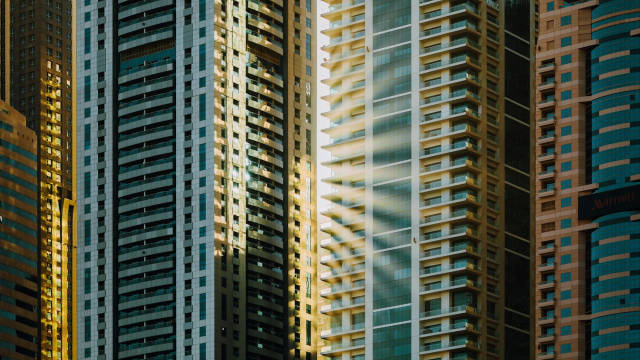
Market dynamics within real estate investment encapsulate various factors, including property availability, pricing trends, and governmental regulations. In Dubai, the real estate market is characterized by rapid growth and robust development. New projects are continually emerging on the horizon, ranging from residential towers to mega commercial complexes. This consistent development has maintained a competitive pricing structure, which is attractive for both end-users and investors looking for long-term appreciation. Moreover, the easing of restrictions on foreign ownership has opened new avenues for international buyers, creating a more vibrant and diverse property market landscape.

Contrarily, Hong Kong presents a somewhat contrasting picture. Known for its notoriously high property prices, Hong Kong's real estate market has often been considered exclusive and limited in supply. The high cost and scant availability of land have contributed to sky-high property values, posing significant entry barriers for new investors. Despite this, the city offers substantial long-term gains due to its status as a global business epicenter, where commercial spaces are always in demand. The demand for luxury properties among affluent clientele remains steady, driven by Hong Kong's affluent demographic and international appeal.
Comparing these markets, Dubai offers a more accessible entry point for investors with varying budgets, while Hong Kong's market requires a substantial initial financial commitment but promises potential high yields for high-net-worth individuals. Dubai's diverse property portfolio allows for investment in both burgeoning communities and established locations. Hong Kong offers stability with mature residential and commercial sectors, albeit with higher investment thresholds. Understanding these dynamics helps inform strategic investment decisions as each market’s unique attributes present both challenges and opportunities to be capitalized on.
Investment Risks and Returns
Investing in real estate anywhere comes with an inherent set of risks, alongside the potential for lucrative returns. Dubai is notable for its competitive pricing and emerging market status, which entails both high growth potential and volatility. The city is known for oscillations in property values, which can both deter and attract investors, depending on their risk appetite. However, Dubai's government initiatives have succeeded in steadily stabilizing the market, with regulations and policies aimed at ensuring transparency and security in transactions, thus mitigating risks to an extent.
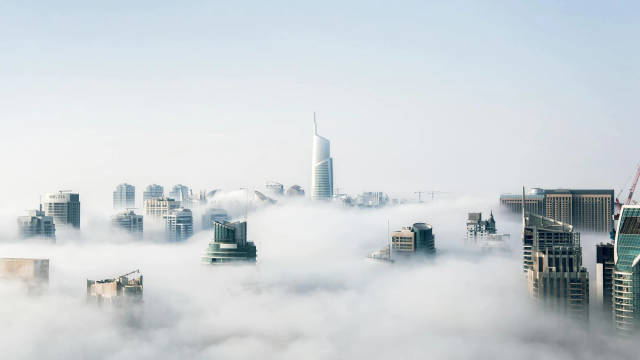
Conversely, Hong Kong presents an aura of stability stemming from its mature market status and global economic integration. The primary risk involved is less about market volatility and more about political and social elements, factors that could influence investor confidence and market sentiment. However, despite these risks, Hong Kong's real estate continues to assure significant returns, owing to consistently high demand for limited property, offering stability that is highly sought after by long-term investors.
For investors, the weighing of risks versus potential returns becomes a balancing act. Dubai, with its evolving infrastructure and pioneering developments, caters to those with a forward-looking investment strategy who are willing to embrace an emerging market's ebbs and flows. In contrast, Hong Kong remains steadfast in attracting those seeking security in a more traditional real estate market. The distinctive profiles of these cities paint a picture for potential investors to deliberate carefully over their intentions and risk tolerance before determining their path.
Lifestyle and Quality of Life
Investors not only evaluate the financial aspects of real estate markets but also consider the lifestyle and quality of life offered by these locations. Dubai is synonymous with luxury and lifestyle, having transformed itself into a city that merges tradition with modernity. Offering an array of luxury shopping, dining, and entertainment options, Dubai ensures a vibrant lifestyle for its residents. The city’s focus on developing smart city initiatives also promises a futuristic quality of life that appeals to tech-savvy individuals and families alike.
Hong Kong, with its rich cultural fabric and diverse community, offers a unique blend of Eastern and Western lifestyles. Known for its high living standards, the city ensures comprehensive public services, world-class healthcare, and a myriad of cultural experiences. Its natural landscapes, from harbors to hilltops, provide a stunning backdrop to urban life, offering residents a delicate balance between fast-paced city life and tranquil retreats. The high cost of living in Hong Kong is often balanced with an equally high quality of life, which remains a strong pull for international investors and expatriates.
When comparing the lifestyle offerings between these two cities, one must consider personal preference and lifestyle requirements. Dubai offers a unique experience driven by ultra-modern conveniences and a diverse expatriate community that makes integration smooth for newcomers. Hong Kong provides an intense cultural immersion and a bustling intersection of business with a vibrant social scene. Each city's distinctive lifestyle facets contribute to their real estate attractiveness, as prospective buyers often consider such factors as integral to their long-term residential investment decisions.
Frequently Asked Questions
Q1. How does the legal property buying process differ between Dubai and Hong Kong?
In Dubai, foreigners can buy in designated freehold areas with simplified processes, whereas Hong Kong has more stringent land buying regulations and generally higher taxes.
Q2. Which market offers better rental yield returns?
Dubai often offers higher rental yields due to competitive prices and strong demand for rentals, while Hong Kong's yields are typically lower but stable due to high purchase prices.
Q3. What tax implications should be considered when investing in these cities?
Dubai offers a tax-free environment for personal income, whereas Hong Kong imposes property taxes and stamp duties, which can impact investment returns.
Q4. Is it easy to get financing for real estate in Dubai and Hong Kong?
Both cities offer diverse mortgage options, though Hong Kong's high prices may limit financing amounts compared to Dubai's more accessible loan terms.
Q5. How does citizen or resident status affect real estate investment in these cities?
Dubai provides long-term visas to property investors, while Hong Kong requires a more complex residency pathway, affecting ease of investment for non-residents.