



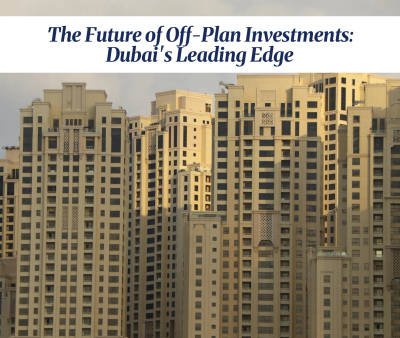
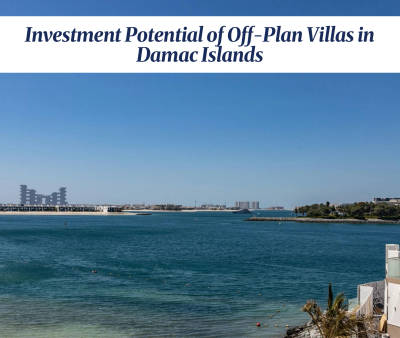
Dubai's Dynamic Real Estate Market
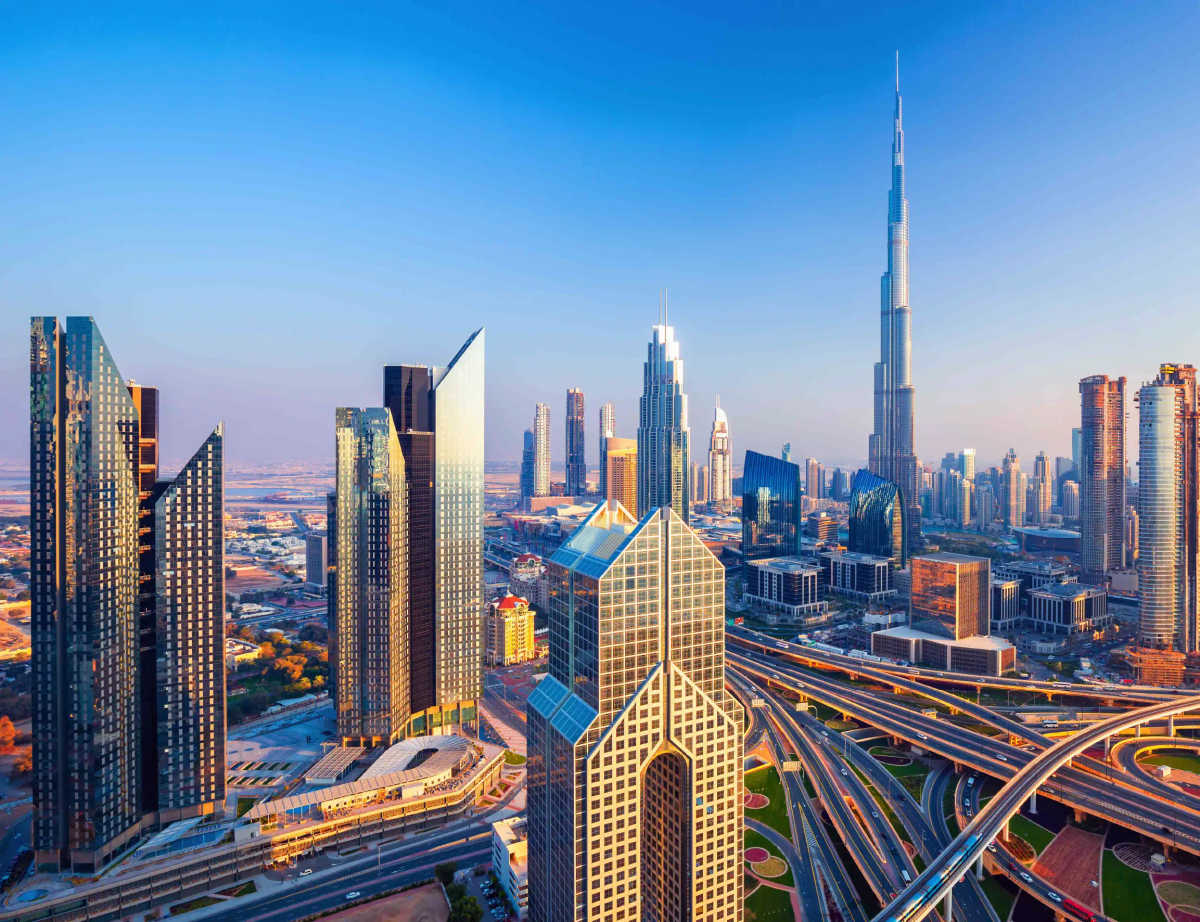
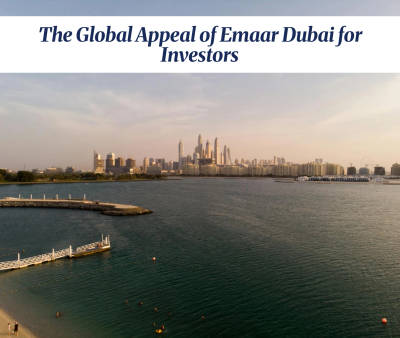
Dubai's real estate sector is often described as one of the most dynamic and vibrant in the world, constantly evolving to meet the demands of a diverse and discerning global clientele. The city’s status as a major financial hub and tourist destination on the global map can be attributed to its visionary leadership and strategic location. Dubai has successfully leveraged its position to attract international investment, showcasing a real estate landscape marked by iconic architectural feats, such as the Burj Khalifa and Palm Jumeirah. The city's commitment to innovation and technology is reflected in its state-of-the-art infrastructure and smart city initiatives, which continue to set benchmarks in urban development.

A significant factor driving the attractiveness of Dubai's real estate market is its favorable regulatory environment. The Dubai government has introduced several initiatives to enhance investor confidence, including 100% foreign ownership in certain free zones and the introduction of long-term residency visas for property investors. Moreover, the absence of property tax further solidifies Dubai's position as a lucrative real estate market for international investors. The strategic geographical location of Dubai also makes it a preferred choice for investors seeking to build a diversified portfolio, as it offers easy access to markets in Europe, Asia, and Africa.
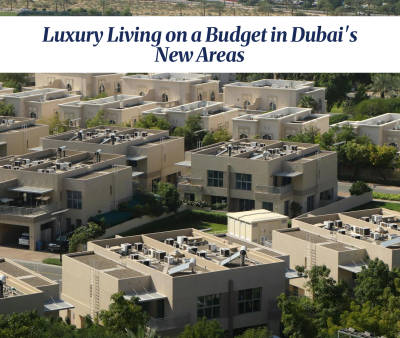
Furthermore, the diversification of Dubai’s real estate portfolio has played a crucial role in shaping its market landscape. Beyond the luxurious high-rises that define its skyline, the city has seen a surge in mid-market residential properties, driven by a growing expatriate population and the demand for affordable housing solutions. This diversification expands the range of opportunities for investors, rewarding both short-term speculators and long-term stakeholders with impressive returns. As demand continues to rise, particularly in the areas of residential, commercial, and industrial real estate, Dubai stands at the forefront of real estate innovation and opportunity, with sustainability and futuristic planning ingrained in its vision.

Abu Dhabi's Strategic Market Characteristics
Abu Dhabi, the capital of the United Arab Emirates, presents a more measured and sustainable approach to real estate development compared to its neighbor Dubai. The city's market strategy pivots on controlled growth, partnership with global entities, and the establishment of cultural hubs, educational institutions, and technological zones. In contrast to the rapid developments witnessed in Dubai, Abu Dhabi has carved out a niche emphasizing sustainability, culture, and academia, projecting itself as a stable and secure place for long-term investments. This strategic direction is evident in projects like Masdar City, an ambitious plan towards creating the world's most sustainable urban community.

Policy measures in Abu Dhabi have been crucial in shaping its real estate attractiveness. The city offers competitive incentives for foreign investment, with the government actively promoting economic diversification through strategic investments in sectors such as technology, tourism, and renewable energy. Abu Dhabi's strategic investment in infrastructure advancements, including key transport networks and energy-efficient building technologies, underscores its commitment to becoming a leading sustainable city. The government continues to enhance the friendliness of its regulatory framework, opening up new freehold zones for expatriates and steadily liberalizing its property market, which is reflected in its stable rental yields and property value appreciation.
Abu Dhabi's focus on comprehensive community development and the promotion of family-centric living environments attract both corporate and private investors. The integration of extensive green spaces, cultural landmarks such as the Louvre Abu Dhabi, and numerous world-class educational and medical institutions complements the city’s strategic urban planning goals. These efforts foster a well-rounded living and investment environment, ensuring a balance between urbanization and quality of life. Its urban master plan aims to fortify the city's global competitiveness and appeal, particularly to young families and professionals seeking a vibrant yet sustainable lifestyle, positioning Abu Dhabi prominently in the global property market.

Comparative Economic Drivers
Economic diversification forms the backbone of both Dubai and Abu Dhabi, yet each city has charted its distinct route to catalyze growth in its real estate sector. Dubai’s economic success lies in its deep-rooted ties to tourism, finance, and trade, fostering a welcoming environment for multinational corporations and cosmopolitan workforces. Expo 2020 and the subsequent economic influx have further solidified Dubai's position as a global city with a business-friendly ecosystem. The city continues to invest in infrastructure and technology, creating synergistic networks that improve connectivity and elevate customer experience across the real estate spectrum. The constant push towards tourist attractions and luxury accommodations keeps Dubai in perpetual limelight, drawing investors seeking high-yielding and high-turnover real estate ventures.

Conversely, Abu Dhabi's economic landscape is driven primarily by its prudent management of vast oil reserves and deliberate steps towards economic diversification. Government-backed initiatives target sustainable energy, technology, and cultural tourism, deliberately shifting focus from oil dependency to a knowledge-based economic model. The city prioritizes the development of key infrastructure projects to enhance both connectivity and sustainability, underscoring its dedication to long-term growth and stability. Sectors such as finance, logistics, and manufacturing have also seen substantial growth through targeted policies, reflecting a commitment to balanced economic growth and diversification that inherently supports real estate expansion.
Both cities’ distinct economic strategies deeply influence real estate opportunities available to investors. In Dubai, opportunities largely revolve around short-to-medium-term gains and high turnover, supported by the city’s rapidly changing landscape and strategic event hosting. Meanwhile, Abu Dhabi's real estate sector is marked by prospects that favor consistent long-term growth and stability, associated with its measured urban development pace and the steady attraction of institutional investors. The relative diversity in economic driving forces between these two emirates offers potential investors unique opportunities to align their portfolios with personal and strategic preferences—risk appetite and investment horizon serving as key deciding factors.
Distinct Investor Opportunities & Market Entry
Navigating the real estate markets of Dubai and Abu Dhabi can be a rewarding venture when approached with a comprehensive understanding of their distinctive investor opportunities. In Dubai, the market is characterized by a high volume of transactions that cater to both speculative investors seeking quick returns and those interested in luxury properties. The city’s consistent flow of tourist traffic and expatriate residency demand results in a buoyant rental market, offering lucrative opportunities particularly in serviced apartments and short-term rental investments. Moreover, Dubai presents unique market entry options through inviting policies for foreign ownership in designated freehold areas and investment zones, establishing itself as an accessible gateway for international real estate investors.
Contrastingly, Abu Dhabi’s real estate investment scene caters more towards stability and long-term returns, notwithstanding the opportunities for growth in emerging sectors. Abu Dhabi's commitment to smart infrastructure and sustainable urban development underpins a gradual but steady value appreciation for properties. Investors in Abu Dhabi benefit from market conditions that favor long-term partnerships, as exemplified by the increasing presence of institutional investors and enterprises establishing permanent bases. This sets the stage for capital commitments in sizable projects within sectors like tourism, renewable energy, and education, creating substantial investment channels for those preferring more secure and structured market options.
Both cities actively foster government-led initiatives to broaden their real estate appeal. Dubai’s emphasis on building innovation-driven smart districts and Abu Dhabi’s focus on advancing sustainable urban centers provide multiple entry points to real estate seekers. The strategic evolution of infrastructure around key economic sectors and careful urban planning illustrates the UAE’s shared vision for competitive yet sustainable growth. Investors who capitalize on these differentiated pathways will discover lucrative opportunities in diverse sectors across both markets, each underscoring unique strengths and characteristics. The choice of investment destination between Dubai and Abu Dhabi will invariably depend on the investor's alignment with either fast-paced, high-yielding market dynamics or steady, long-term growth prospects.
Frequently Asked Questions
Q1. What are the main differences between Dubai and Abu Dhabi's real estate markets?
Dubai offers a dynamic market with higher turnover and luxury investments, while Abu Dhabi provides stable, long-term growth with a focus on sustainable and cultural developments.
Q2. Which city offers better real estate investment opportunities?
Both cities offer unique opportunities; Dubai is suited for high-yield and short-term gains, whereas Abu Dhabi is better for stable, long-term investments.
Q3. How have government policies affected real estate in these cities?
Dubai benefits from liberal ownership policies and investor visas, while Abu Dhabi focuses on economic diversification and sustainable urban planning.
Q4. What economic factors drive real estate in Dubai and Abu Dhabi?
Dubai's economy is driven by tourism and finance, while Abu Dhabi relies on oil with a shift towards technology and sustainability.
Q5. Is it easier for expats to invest in Dubai or Abu Dhabi?
Dubai offers more direct ownership opportunities in designated areas, while Abu Dhabi has historically been more conservative but is opening up through specific projects.