




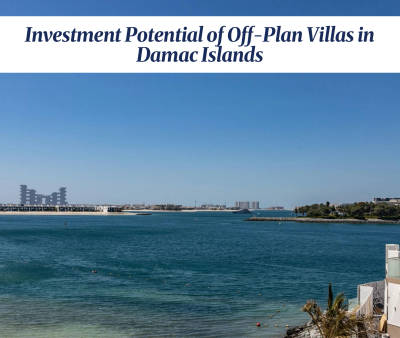
Understanding Dubai's Property Market
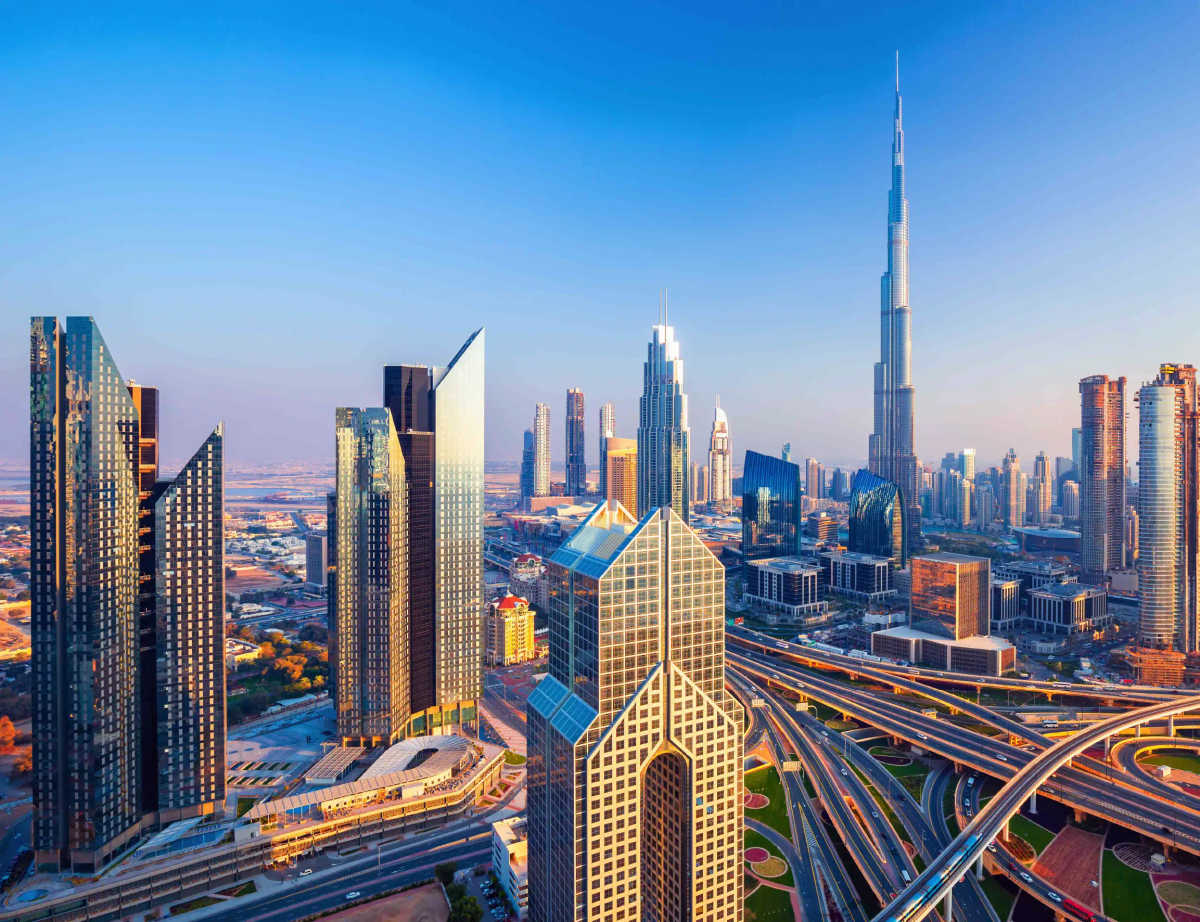
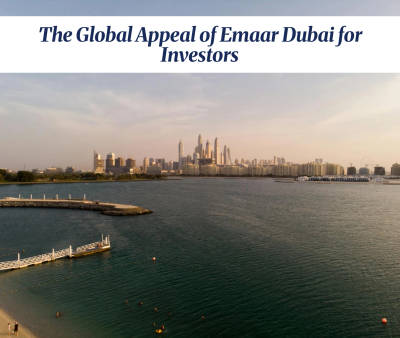
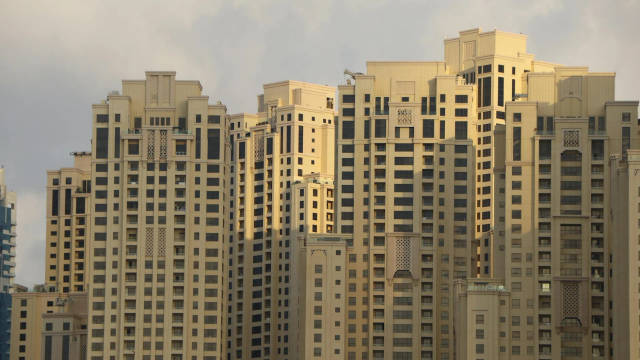
The Dubai real estate market has long been a beacon for investors seeking to diversify their portfolios with high-value assets. Known for its architectural marvels, from the iconic Burj Khalifa to the sprawling Palm Jumeirah, Dubai presents a landscape that combines innovation with luxury. The real estate sector here has been buoyed by factors such as a strategic geographical location, serving as a hub for international business and tourism, coupled with a tax-free income environment which is highly attractive to expatriates and foreign investors. Over the years, government-backed initiatives and forward-thinking urban planning have significantly bolstered Dubai's property market, contributing to sustained growth and stability even amidst global economic challenges.
However, like any investment sector, the Dubai property market is not immune to volatility. The cyclical nature of real estate, coupled with macroeconomic factors such as oil price fluctuations and global economic trends, can influence property valuations. While there are periods of overheating and corrections, savvy investors can leverage these cycles by adopting long-term investment strategies. Rental yields in Dubai have remained relatively higher compared to several international markets, drawing attention to its potential for passive income generation. With a steady influx of expatriates and Dubai's status as a global business hub, the demand for commercial and residential properties often supports a dynamic real estate market capable of weathering economic turbulence.
Moreover, the Dubai government has been proactive in enhancing the real estate market's attractiveness through regulatory reforms. Initiatives such as freehold property laws permitting foreign ownership, the introduction of long-term visas for property investors, and initiatives to diversify the economy beyond oil have collectively contributed to a more investor-friendly environment. These measures have helped to maintain a healthy balance of demand and supply, reassured by infrastructural developments and high-quality real estate offerings. Additionally, developers in Dubai have been innovative in creating mixed-use developments, integrating residential, commercial, and leisure spaces to cater to evolving lifestyle demands, further solidifying Dubai's reputation as a real estate hotspot.
The Rise and Volatility of Cryptocurrency
Cryptocurrency, a digital currency operating on a decentralized platform, has erupted as a formidable contender in the investment arena over the past decade. Bitcoin, Ethereum, and a slew of altcoins have captivated investor interest globally, offering potential returns that dwarf traditional investments under certain conditions. This digital asset class is characterized by its high volatility, largely driven by market sentiment, regulatory news, and technological advancements. For instance, Bitcoin's meteoric rise from negligible values to over $60,000 per coin highlights both the potential and risk inherent in crypto investments, where market dynamics can change within hours.
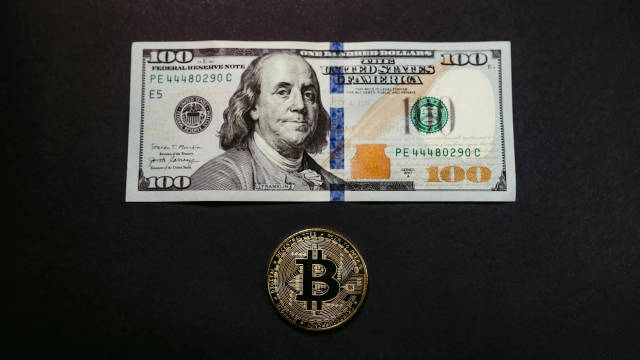
The potential of blockchain technology, which underpins cryptocurrencies, cannot be overstated. It represents a shift towards decentralization, transparency, and security, intriguing not only tech enthusiasts but institutional investors as well. However, despite its potential, cryptocurrency is subject to significant market fluctuations and lacks the regulatory frameworks that govern more established markets like real estate. This can lead to higher risk exposures, making investment decisions a balancing act between risk tolerance and the pursuit of high returns. Seasonal 'bull runs' and abrupt 'bear markets' are commonplace, prompting investors to closely monitor trends and market news.
In addition to Bitcoin and Ethereum, altcoins offer diversified investment opportunities within the cryptocurrency market. These digital currencies cater to different objectives, from offering smart contract platforms to enabling decentralized finance solutions. However, while diversification can potentially cushion the impact of market downturns, it accentuates the complexity of managing a cryptocurrency portfolio. Institutional involvement and regulatory responses can sway market dynamics, necessitating a keen understanding of both macroeconomic factors and technological innovations. Consequently, investors are advised to approach cryptocurrency with an awareness of its speculative nature, balancing potential gains with substantial risks.

Comparing ROI: Property vs. Crypto
When comparing the ROI of Dubai property investments versus cryptocurrency, several layers of complexity emerge, requiring an astute analysis of the risk-return trade-off inherent in each asset class. Dubai property offers tangible assets that provide both intrinsic value and regular revenue streams, primarily through rental income. Historically, real estate has been seen as a safer investment, where prices are less susceptible to abrupt market swings. Yet, real estate typically promises a steady, albeit slower, appreciation in value, entwined with the cyclical nature of the market, which can affect liquidity and investor response to economic shifts.
Conversely, cryptocurrency investments herald potentials for significantly higher short-term returns, often driven by market speculation and sentiment rather than fundamental value determinants. Crypto markets facilitate highly liquid environments where trading occurs 24/7, an advantage over the more static real estate transactions. However, this liquidity comes with pronounced volatility, where price fluctuations can rapidly erode portfolio values or, conversely, deliver exponential profits. Such conditions appeal particularly to investors with higher risk appetites, willing to navigate the swings for potentially outsized returns compared to the steadier property investment gains.
The strategic decision between investing in Dubai real estate or cryptocurrencies should account for individual risk profiles, investment horizons, and financial objectives. For conservative investors seeking lower volatility and tangible asset ownership, Dubai's property market offers a compelling case, fortified by its strategic urban developments and supportive legal frameworks. On the other hand, those inclined towards high-risk, high-reward scenarios may find cryptocurrencies' volatile nature intriguing, despite the associated risks of rapid value declines or market manipulations. Ultimately, a diversified investment strategy encompassing both asset classes may provide a balanced approach, capturing gains from the dynamic interplay between real estate stability and crypto's lucrative, albeit unpredictable, potential.
Navigating Investment Volatility
Navigating investment volatility requires carefully considered strategies tailored to the inherent characteristics of each asset class. In Dubai's real estate market, astute investors often adopt a long-term approach, focusing on location, property type, and market demand. Assessing neighborhood growth potential, developer reputation, and emerging market trends allows investors to mitigate risks associated with cyclical downturns. Furthermore, diversifying holdings across different property types—residential, commercial, and hospitality—can cushion against market-specific downturns and enhance portfolio resilience in face of economic fluctuations.
In the world of cryptocurrency, mitigating volatility is a matter of leveraging research and timing. Given the rapid pace of market changes, investors must engage in continuous learning, following blockchain innovations, regulatory shifts, and global economic indicators that affect digital currency valuation. Strategic tools such as stop-loss orders, diversified crypto holdings, and algorithmic trading systems help manage the innate volatility. However, due diligence remains crucial, with investors urged to scrutinize new cryptocurrencies' whitepapers, technological underpinnings, and community support to evaluate potential risks vis-à-vis speculative opportunities effectively.
Ultimately, holistic investment strategies considering risk management, diversification, and continual market assessment are essential amidst volatile times. By aligning investment decisions with personal financial goals, risk tolerance, and evolving market conditions, investors can adeptly navigate both Dubai's real estate steadiness and cryptocurrency's unpredictable tides. Leveraging expert analysis and market insights ensures informed choices, reinforcing investment portfolios capable of withstanding volatility while capitalizing on potential gains across varied market landscapes. Whether through stable real estate or dynamic crypto investments, strategic foresight remains key to optimizing ROI in a volatile global economy.
Frequently Asked Questions
Q1. Is Dubai real estate a safer investment than cryptocurrency?
Dubai real estate is traditionally considered a safer investment due to its tangible assets and regulatory frameworks, whereas cryptocurrency involves higher risk due to its volatile nature.
Q2. What factors contribute to the volatility of cryptocurrency?
Cryptocurrency volatility is influenced by market speculation, regulatory news, technological advancements, and varying investor sentiment.
Q3. How can investors manage risk in Dubai's property market?
Investors can manage risk by diversifying across property types, assessing neighborhood growth, and focusing on long-term market trends.
Q4. What are the potential returns from investing in cryptocurrency?
Cryptocurrency offers potential high short-term returns, but these are accompanied by significant risk and market volatility.
Q5. Can diversification benefit investors in both asset classes?
Yes, diversification can benefit investors by balancing stability from real estate with high potential returns from cryptocurrency across a diversified portfolio.