


Global Connectivity Fuelling Real Estate Growth
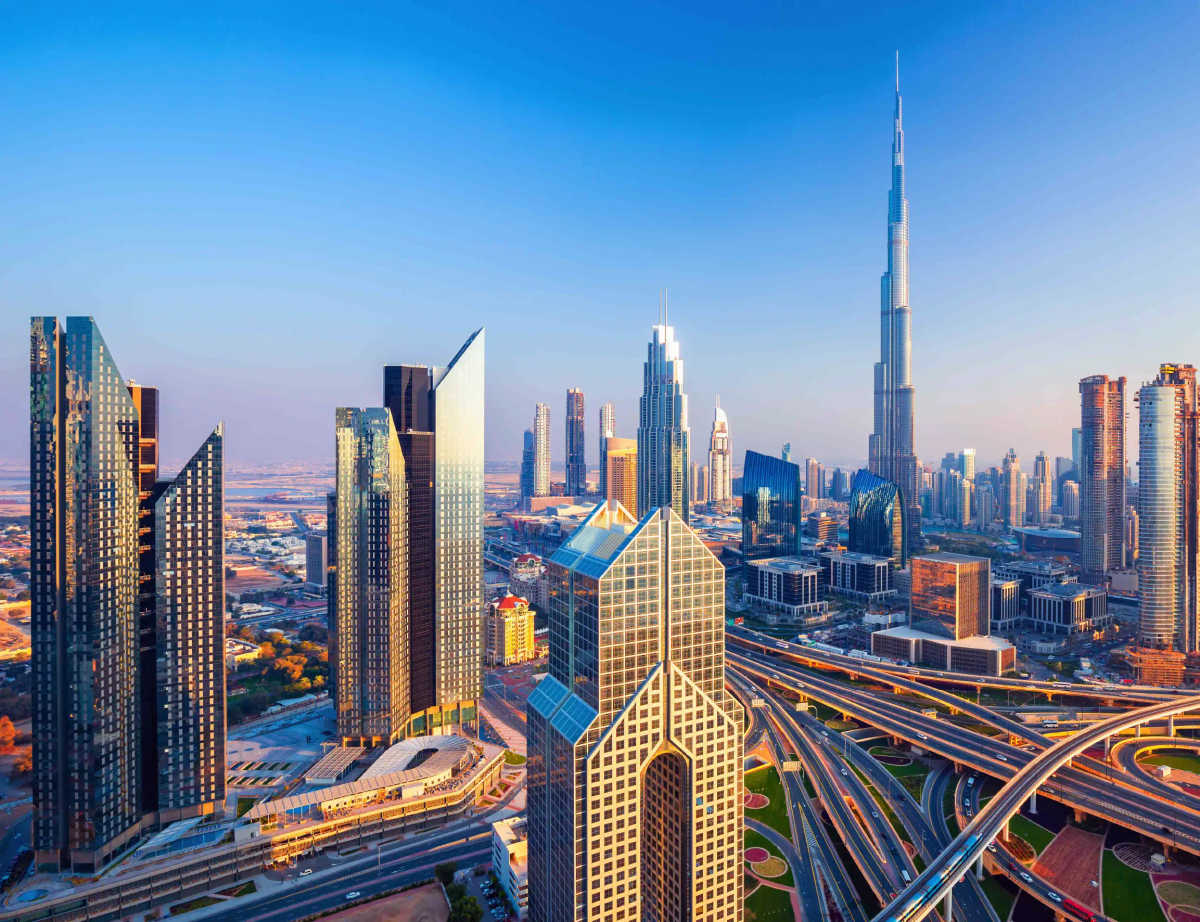
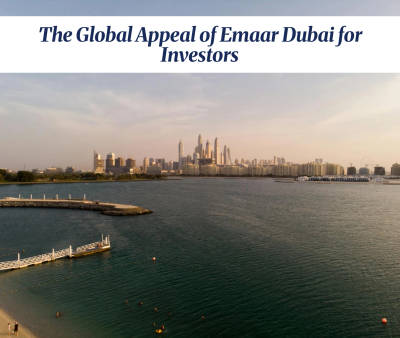
Dubai's strategic location at the crossroads of Europe, Asia, and Africa has long been a unique advantage, driving its real estate sector into the future. As we approach 2026, key infrastructural projects, including the expansion of Al Maktoum International Airport, further bolster Dubai's connectivity, making it an even more attractive hub for international investors. The continued development of the city’s transport networks ensures seamless integration with international markets, offering unparalleled opportunities for cross-border transactions. Such investments promise to elevate Dubai’s logistical capabilities, thereby enhancing the potential of its burgeoning real estate landscape.

Furthermore, Dubai’s consistent commitment to regulatory transparency and investor-friendly policies facilitates easier market access for foreign investors. Initiatives such as the Dubai Blockchain Strategy exemplify how technology is utilized to ensure secure and efficient cross-border transactions. This forward-thinking approach not only solidifies trust among international stakeholders but also catalyzes an influx of capital into real estate, positioning Dubai as a beacon of innovation in cross-border financial ecosystems. The meticulous effort to integrate smart city features into its fabric enhances the overall appeal, drawing investment from hi-tech and environmentally-conscious investors globally.
Coupled with its economic diversification strategy, Dubai is reducing its reliance on oil, increasingly leveraging its real estate market as a base for sustained economic growth. Key initiatives, like the introduction of long-term visas and 100% foreign ownership in certain sectors, continue to attract a diverse range of investors from across the globe. By 2026, Dubai's property market is expected to evolve into a more mature phase, supported by well-thought-out economic reforms and a steadfast focus on nurturing an investor-oriented environment. Thus, Dubai sets an enduring example of how strategic policies can transform a real estate landscape, attracting long-term, sustainable investment.

Technological Advancements Changing the Investment Landscape
The role of technology in shaping Dubai’s real estate sector cannot be overstated, particularly as we look towards 2026. From augmented reality tours to AI-driven market analyses, technology is transforming how investors engage with properties across borders. Virtual reality tools allow investors to explore properties remotely, breaking down geographical barriers and fostering global investments. These advancements provide international investors with the information they need in real time, making informed decisions faster and more efficiently, thereby revolutionizing the traditional real estate investment framework.
Dubai's government has been at the forefront of adopting digital frameworks that enhance transparency and efficiency in real estate transactions. Smart contract technology implemented via blockchain ensures that the purchasing process is as seamless as it is secure, eliminating the risks associated with human error and fraud. This technological underpinning assures international investors of the integrity and reliability of the Dubai real estate market, cultivating a new era of trust and cooperation in cross-border investments. With streamlined bureaucratic processes, Dubai demonstrates its commitment to remaining ahead of the curve in facilitating international real estate investments.
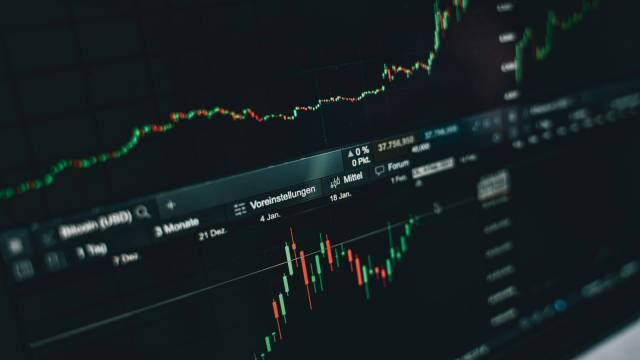
Furthermore, with the advent of data analytics and AI, investment strategies are increasingly data-driven. Predictive analytics allow investors to anticipate market trends and assess potential returns with greater precision. Dubai's integration of intelligent systems across its infrastructure and realestate-related services offers investors unprecedented insights into market dynamics. By leveraging big data, investors are better positioned to optimize their portfolios, aligning their asset allocation with current and future market conditions. This trend is indicative of a broader shift towards evidence-based investment strategies, enhancing the overall competitiveness and attractiveness of Dubai's real estate market on a global stage.

Emerging Markets within Dubai's Real Estate Sector
As the Dubai real estate landscape continues to evolve, new market niches are emerging, poised to attract cross-border investors in 2026. The industrial and logistics sectors are witnessing unprecedented growth due to the city’s strategic position and growing e-commerce activities across the MENA region. Warehousing and distribution hubs are becoming key investment sectors, driven by international demand for efficient supply chain solutions. This growth trajectory reflects a broader trend where commercial and industrial real estate is becoming a viable alternative for investors seeking diversification beyond residential properties.

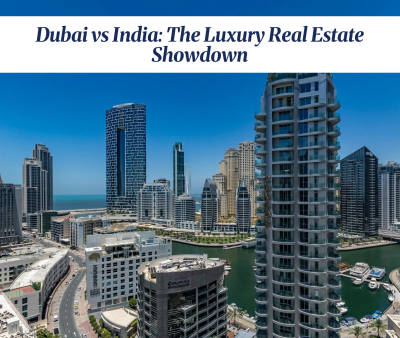
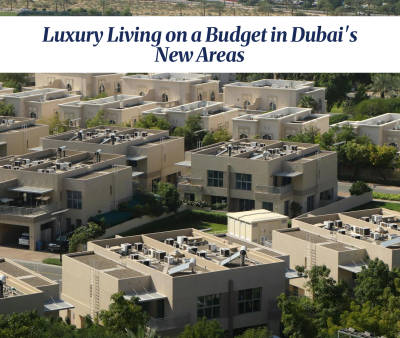
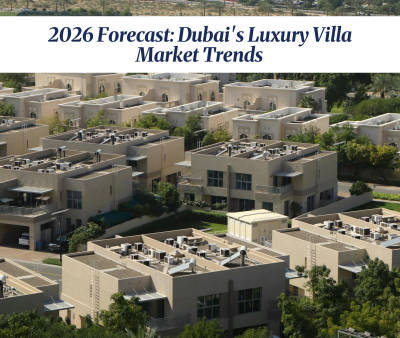
The luxury real estate segment in Dubai also presents enticing opportunities, as the city continues to bolster its reputation as a high-end residential destination. New luxury developments are characterized by innovative architecture and state-of-the-art amenities that appeal to affluent investors from around the world. Coupled with the allure of lifestyle offerings, including world-class dining, entertainment, and leisure, these segments reflect Dubai's ongoing evolution as a cosmopolitan city that rivals other global luxury markets. The increasing demand from wealthy individuals, both regionally and internationally, ensures that luxury real estate remains a cornerstone of Dubai's investment appeal.
Moreover, the advent of green and sustainable building practices is likely to see an increase by 2026. Investors are increasingly prioritizing sustainability in their portfolios, responding to global environmental concerns and consumer demand for eco-friendly living. Dubai’s Green Building Regulations support the development of sustainable residential and commercial projects, reinforcing the city’s commitment to environmental stewardship. As such, Dubai's real estate market is expected to attract a new segment of environmentally conscious investors, who see value in sustainable development and long-term investment prospects that align with global sustainability goals.
Economic and Regulatory Factors Influencing Investment
Dubai's proactive economic policies and regulatory frameworks are pivotal in shaping the 2026 investment landscape. The Emirate's alignment of real estate policy with broader economic goals has created a stable and predictable environment for investors. The ongoing refinement of regulations, including safeguards for property ownership and rental rights, strengthens investor confidence and ensures a transparent investment climate. As Dubai embraces global standards, it continues to position itself as a secure haven for cross-border investments, safeguarding its attractiveness to international investors wary of global economic uncertainties.
Additionally, the Dubai government has embarked on several fiscal incentives attracting foreign investment. The introduction of VAT with exemptions for foreign investors in specific deals and sectors underscores Dubai's commitment to providing competitive financial advantages. Coupled with strategic bilateral agreements, Dubai offers a fiscal framework that is not only competitive but also thoroughly supportive of international investment dynamics. This comprehensive policy approach offers resilience against global economic fluctuations, ensuring that Dubai remains a stable, investor-friendly destination in the rapidly changing geopolitical landscape by 2026.
Further bolstering this framework is Dubai’s strategic alignment with global economic initiatives such as the UAE Vision 2021 and the Dubai Plan 2021. These vision-led strategies focus on economic diversification, innovation, and infrastructure development, all of which are vital in reinforcing the real estate market's stability and growth prospects. Such initiatives underpin Dubai's economic policies and regulatory environment, providing a firm foundation for future cross-border real estate investment. By adhering to these comprehensive strategies, Dubai ensures it remains not only an attractive investment destination but also a trendsetter in global real estate markets.
Frequently Asked Questions
Q1. Why is Dubai's location advantageous for cross-border investments?
Dubai's location at the junction of three continents enhances global connectivity, facilitating easy access for international investors.
Q2. How does Dubai's strategic planning impact its real estate market?
Strategic initiatives like economic diversification and infrastructural development foster a stable environment for real estate growth.
Q3. What role does technology play in Dubai's real estate sector?
Technology improves transaction efficiency through virtual tours and blockchain, simplifying and securing cross-border investments.
Q4. What are some key sectors fueling Dubai's real estate growth?
Luxury properties and green/sustainable buildings drive growth, alongside expanding industrial and logistics facilities.
Q5. How do Dubai's regulatory policies influence foreign investment?
Dubai's transparent legal frameworks and fiscal incentives create a favorable climate, boosting foreign investor confidence.