


Exploring the Affordable Housing Market in Dubai
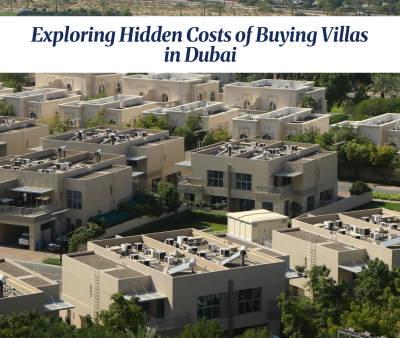
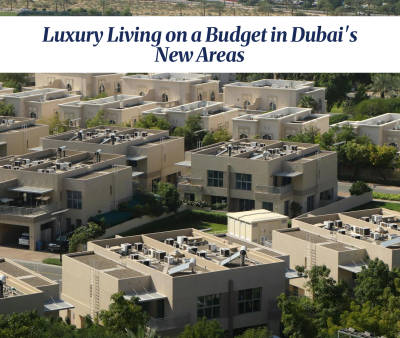
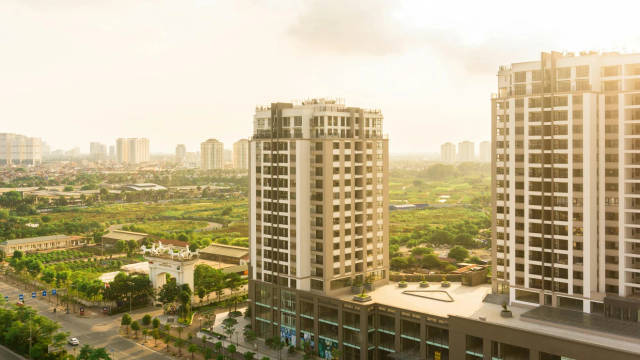
Dubai's affordable housing market has seen a remarkable transformation over the last decade, adapting to the increasing demand for budget-friendly living spaces. Areas like International City, Jumeirah Village Circle (JVC), and Dubai Silicon Oasis have become hotspots for affordable housing, providing suitable options for middle-income families and expatriates seeking to establish a foothold in the city. The government's directive to broaden affordable housing has further catalyzed this sector, tempting developers to create economical yet quality residential projects. These projects not only offer financial feasibility but also provide a comprehensive living lifestyle, with amenities like community centers, parks, and educational institutions, making them viable options for a larger demographic.

The driving force behind the surge in affordable housing stems from Dubai's aspiration to diversify its economy and create a balanced real estate portfolio. By addressing the housing needs of a broader population, the city aims to maintain its position as a global hub while ensuring economic sustainability. Interestingly, the affordability factor doesn't compromise the quality or infrastructure of living spaces. In fact, developers stay attuned to modern architectural trends and technology advancements, ensuring these residential units embody modern design and build quality. The affordability dynamic not only attracts residents but also appeals to investors seeking stable, long-term rental yields without the steep price tags associated with luxury investments.
Furthermore, the increasing rate of expatriation and the cosmopolitan makeup of the UAE necessitate a consistent supply of affordable housing. With an expanding population that fuels demand in various sectors, the ability to provide cost-effective housing solutions remains imperative. The policy changes by the government, including longer visas and more lenient residency rules, have also contributed to a higher demand in this sector. Moreover, the recent economic adjustments post-COVID have encouraged an even more flexible market, where developers and policy-makers alike are emphasizing broader accessibility and inclusivity within the housing sector, driving a robust development trajectory for affordable units.
Luxury Real Estate: Dubai's Premier Market Segment
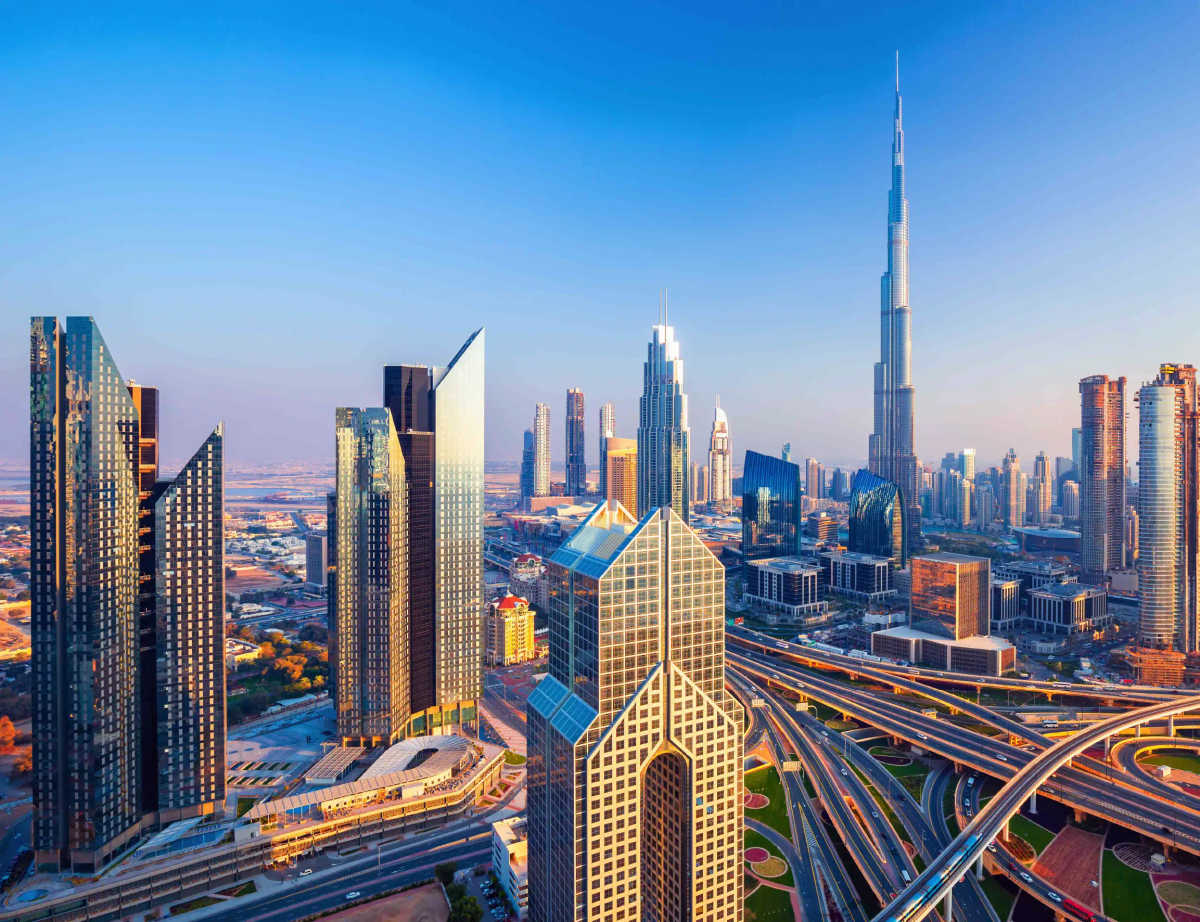
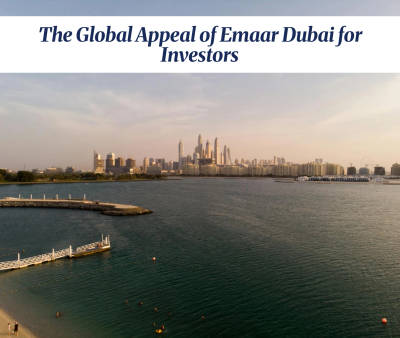
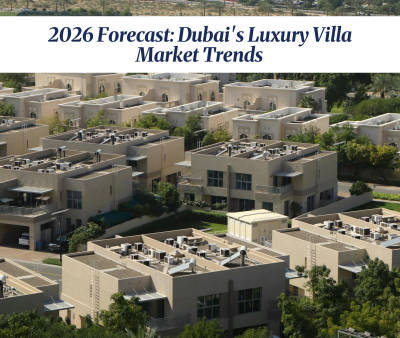
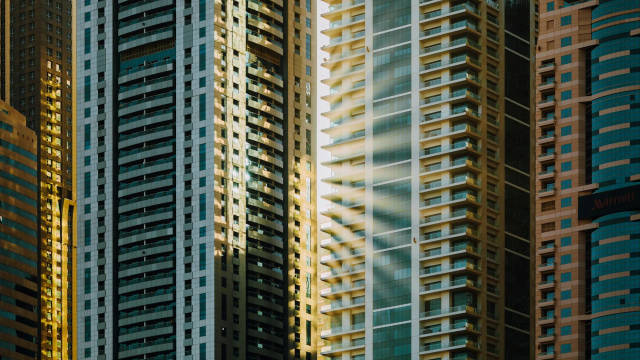
At the opposite end of the spectrum lies Dubai's luxury real estate market, a domain that remains synonymous with opulence, exclusivity, and premium living. Areas such as Downtown Dubai, Palm Jumeirah, and Emirates Hills represent the zenith of luxury, offering high-end villas, extravagant penthouses, and sophisticated apartments that attract the global elite. These properties are not just symbols of status but also serve as investment havens, with appreciation potential inspired by Dubai's relentless urban growth and its status as a new-age metropolis. The luxury market in Dubai is defined by sumptuous amenities—think private cinemas, advanced home automation, and spectacular views—embedded within spectacular architecture.
Luxury real estate in Dubai generally appeals to high-net-worth individuals seeking not only a home but an asset that complements their lifestyle and social standing. The ecosystem supporting luxury living is as compelling as the homes themselves, comprising exclusive schools, high-end retail, and gourmet dining locations, often accompanied by an exclusive beach or golf course access. Moreover, these properties typically exhibit a high standard of construction and aesthetically pleasing designs, reflecting a blend of modernity and tradition that attract international buyers looking for either a vacation home or a permanent residence. This section of the market has shown resilience in the face of economic downturns, demonstrating enduring demand and a buffer against volatility.
The strategic location of Dubai, coupled with its tax-free income environment and unparalleled connectivity, enhances the allure for luxury investments. As the city continues to grow into a global commerce hub, its luxury real estate market stands to continue its ascension, with investors finding value in both capital appreciation and the intangible benefits of residing in a destination known for its cutting-edge lifestyle and high security. The prestige of owning property in neighborhoods that host international celebrities, dignitaries, and leading business figures adds an intangible value to the investments. This allure is fortified by Dubai's global branding as a safe, innovative, and luxury-laden environment.
Market Trends and Future Prospects
In examining the current market trends, it becomes evident that both affordable and luxury segments of Dubai's real estate market are navigating significant transformations. The influx of technological innovations and smart home technology is a growing trend across both markets, making properties more attractive regardless of their price point. Sustainable building practices are another focal point, driven by the city's commitment to advancing environmental sustainability alongside urban expansion. This trend indicates a shift towards eco-friendly developments that feature energy-efficient systems, effectively reducing operational costs, which, in turn, appeals to a broader range of buyers, particularly among the environmentally conscious.
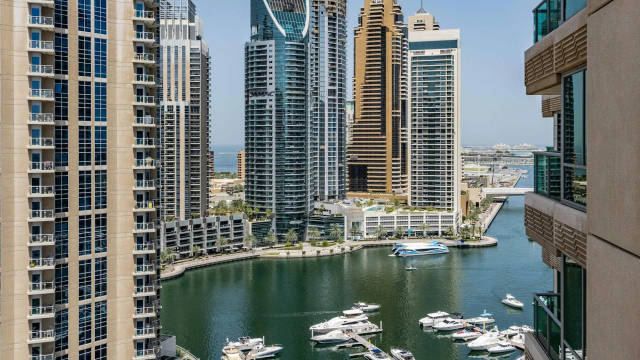
Looking towards the future, Dubai's ambitious plans for ongoing development, such as expansive green spaces, smart city initiatives, and infrastructural enhancements, are set to redefine its real estate landscape further. The introduction of mega projects like the Dubai Creek Harbour and the Expo 2020 districts highlight the city's forward-thinking strategy that merges sustainability with luxury. These factors are likely to influence property values positively and enhance investor confidence, as the city promotes connectivity and accessibility while preserving the luxury component that defines its architectural persona. The convergence of international standards with local cultural values also promises a unique investment and living experience.
Additionally, the continuously evolving investment landscape, combined with progressive legislative measures tailored to attract foreign capital, provides an optimistic outlook for potential investors in both segments. The regulatory framework around property ownership is becoming more transparent and investor-friendly, fostering an environment where property investments are seen as secure and enticing. Dubai's real estate market not only offers lucrative investment avenues but also promises a high quality of life, which remains a pivotal aspect for both personal and financial considerations of prospective buyers. Thus, the balanced growth of both affordable and luxury sectors is paving the way for a diversified and dynamic real estate market.
Conclusion: Weighing Your Investment Options
Investing in Dubai's real estate market requires careful consideration of one's financial goals, risk tolerance, and lifestyle preferences. Affordable homes present a compelling case for steady returns with lower entry barriers and manageable risk, providing wider accessibility for those aiming to capitalize on Dubai's expanding residential prospects. For first-time buyers or investors with a preference for steady, predictable returns, affordable properties offer both rental income potential and future resale value. The ongoing population growth ensures a consistent demand, securing the position of affordable housing as a stable and practical investment opportunity.
Conversely, luxury properties are ideal for those seeking substantial capital gains and prestige, accompanying the promise of residing in some of the most exclusive neighborhoods worldwide. The premium sector offers not only a place of residence but a convertible asset that gains value over time—sometimes significantly outperforming more modest investments. The exclusive access to high-end amenities and signature city locales further boosts the attractiveness of this investment. Additionally, investing in luxury real estate in Dubai is synonymous with acquiring a status symbol—these properties offer privacy, branded residences collaborations, and concierge services, akin to the standards of a five-star establishment.
Ultimately, the decision between investing in affordable or luxury real estate in Dubai boils down to aligning investment strategies with personal or corporate objectives. Whether you're looking for a tangible financial return, a marker of success, or a future-proof lifestyle choice, the Dubai real estate market offers a bespoke avenue to achieve these aims. By understanding the distinct characteristics, advantages, and risks associated with each market segment, investors can make informed decisions, fortifying their portfolio whether they are on the lookout for their next primary residence, holiday home, or a high-yielding financial asset. In Dubai's ever-evolving market, both affordable and luxury real estate continue to play pivotal roles in defining the city's iconic skyline.
Frequently Asked Questions
Q1. What are the key differences between affordable and luxury real estate in Dubai?
Affordable real estate offers budget-friendly options in areas like JVC, focusing on broad accessibility. Luxury real estate features high-end amenities in posh areas like Palm Jumeirah, catering to high-net-worth individuals.
Q2. Is investing in affordable properties in Dubai profitable?
Yes, affordable properties offer steady returns and lower entry investment thresholds, with a consistent demand driven by Dubai's growing expatriate population.
Q3. What makes Dubai's luxury real estate market unique?
Dubai's luxury market is known for its exclusivity, high-end amenities, and strategic locations, appealing to wealthy individuals seeking prestigious and opulent living experiences.
Q4. How do government policies impact Dubai's real estate market?
Government initiatives, like visa reforms and regulatory changes, facilitate a more investor-friendly environment, boosting confidence and impacting both affordable and luxury segments positively.
Q5. What future trends are expected in Dubai's real estate market?
Trends like sustainable buildings and smart technology advances are expected to shape both affordable and luxury markets, enhancing appeal and driving growth.