







Understanding Property Ownership in Dubai
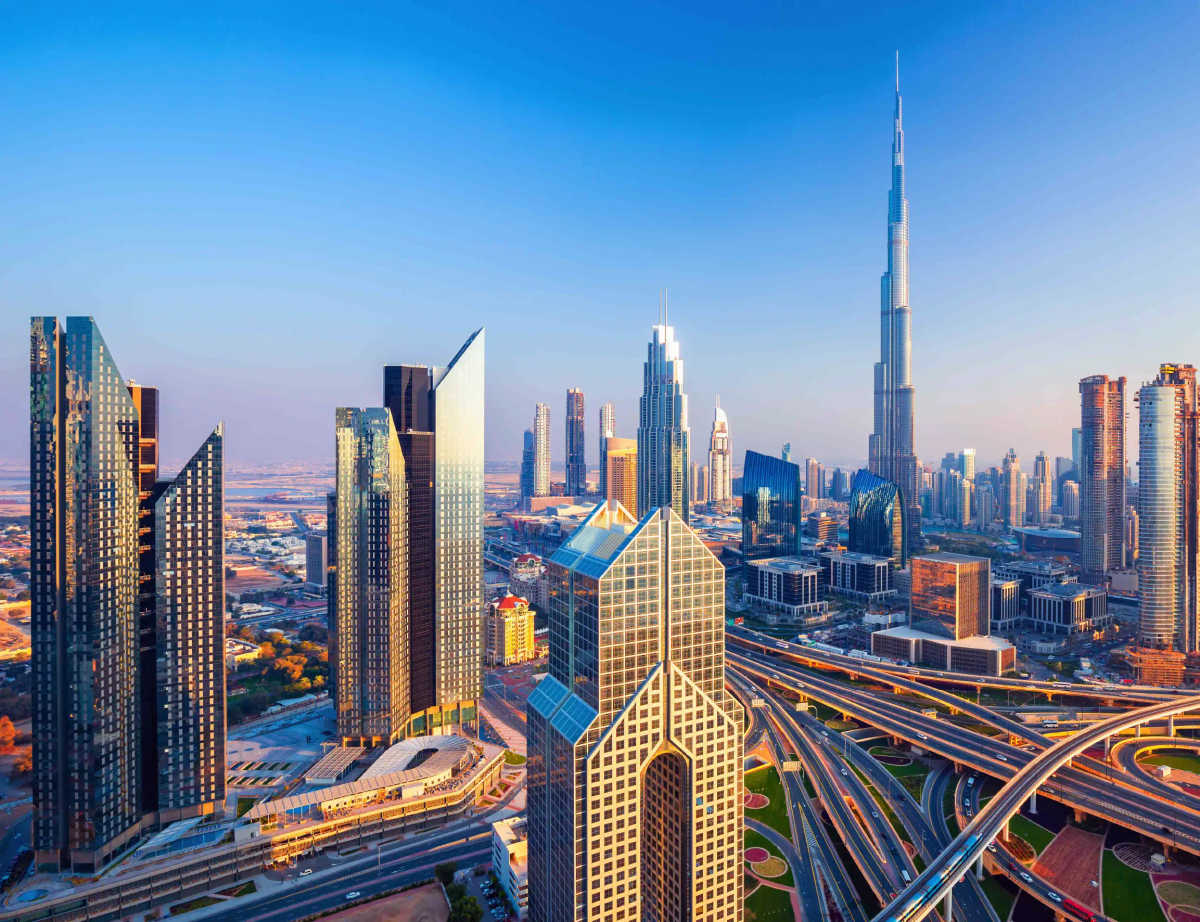
Dubai’s real estate market is unique in its structure, offering both freehold and leasehold properties to buyers. Freehold ownership allows buyers full and indefinite ownership of the property and the land it occupies. This can potentially lead to significant capital appreciation and provides the liberty to make architectural modifications without prior approvals, subject to community regulations. The freehold areas, marked by prestigious localities such as Downtown Dubai, Dubai Marina, and Palm Jumeirah, attract numerous international investors due to the autonomy and financial security they offer.
Leasehold property ownership in Dubai, by contrast, confers rights to use a property for a fixed term, often ranging up to 99 years. While the title of the property remains with the landlord, leasehold buyers enjoy exclusive possession and use, much like freeholders, albeit with more limitations on structural modifications and subleasing. Common in more central areas, like Deira and certain parts of Jumeirah, leasehold properties often come at a lower purchase price compared to freehold, making them attractive for both expatriates seeking long-term residence and investors looking for lower entry barriers.
Distinguishing between these two forms of property ownership is crucial for anyone looking to enter Dubai's real estate scene. The choice between freehold and leasehold should consider the buyer’s residency status, financial plans, and intended duration of property possession. Government regulations continue to evolve, aiming to regulate and empower the property market, which makes staying informed about legal frameworks and market conditions paramount for prospective buyers.

Pros and Cons of Freehold Properties
Freehold properties come with a host of benefits that make them highly sought after by international buyers and investors. The most significant advantage is the autonomy it provides. Being able to own the property outright means you have complete legal control over your asset. You can modify, lease, or sell the property without restrictions from a landlord or third parties, subject to community rules. Furthermore, the full ownership potentially affects property valuation favorably over time, contributing positively to portfolio diversification and wealth creation for investors.
However, freehold properties also come with their set of challenges. The areas designated for freehold are premium neighborhoods, which means property prices are generally higher, reflecting their high demand and sought-after location benefits. This can pose a barrier to entry for some investors who may not have the capital required for such investments. Additionally, property maintenance, community service charges, and legal expenses associated with real estate ownership can be significant, thus making it imperative for buyers to conduct thorough due diligence before committing to a purchase.
Moreover, the Dubai real estate market is ever-evolving, with property prices susceptible to fluctuations based on global and local economic conditions. While freehold ownership does afford stability and long-term potential gains, investors must weigh these against the risks associated with potentially reduced liquidity during market downturns, which can impact selling potential and quick profit realization.

Pros and Cons of Leasehold Properties
Leasehold properties serve as an attractive alternative for those looking to invest without the substantial financial outlay required by freehold properties. The lower initial costs make these properties accessible to a wider audience, particularly for those entering the property market for the first time or who prefer investments with reduced financial risk. They provide an opportunity to enjoy the benefits of occupying a property in a central location with less capital investment, thus appealing to expatriates and locals alike for residential purposes.

However, the limits of leasehold agreements need to be carefully considered. As the lease term nears its end, the value of the leasehold property may depreciate, which could impact long-term financial returns. Also, renovating or making modifications to a leasehold property often requires approval from the freeholder, and there are sometimes restrictions in place depending on the clauses within the lease. These constraints can limit personalizing the living space and may affect potential rental income figures.
Lastly, while leasehold agreements tend to offer longer terms in Dubai compared to global equivalents, renewing a lease can sometimes lead to increased annual costs. Market dynamics will dictate lease renewals and associated costs, which can pose an uncertain outlook for long-term tenure, particularly in economically volatile periods. It’s critical for investors to clarify terms with freeholders and negotiate favorable clauses that ensure stability and predictability.
Making the Right Decision
Choosing between freehold and leasehold properties should align with one’s long-term goals and personal circumstances. For many, the decision revolves around financial affordability, future mobility, and the desired level of control over property management. Those keen on creating an asset that provides both a foothold in the Dubai market and stability for the coming decades might lean towards freehold ownership, which promises enduring ownership rights and the potential for significant appreciation.
By contrast, buyers prioritizing flexibility and lower initial outlay might find leasehold properties more in line with their investment strategies. This is especially relevant for those seeking semi-permanent residence or investing in properties as a part of a diverse real estate portfolio. Analyzing lifestyle needs and financial liquidity, alongside market trends, will guide the decision-making process and ensure the chosen investment carries the potential for future returns and satisfaction.
In any scenario, consulting with real estate experts and legal advisors is crucial to navigating contracts and understanding nuances specific to Dubai’s property laws. Their guidance offers invaluable insights into market conditions, legal stipulations, and future projections, ultimately ensuring that whether opting for a freehold or leasehold property, the investment is secure and satisfactory within the vibrant landscape of Dubai’s real estate market.
Frequently Asked Questions
Q1. What is the main difference between freehold and leasehold?
Freehold offers complete ownership of the property and land indefinitely, while leasehold grants rights to use the property for a fixed term, usually up to 99 years.
Q2. Can expatriates own freehold properties in Dubai?
Yes, expatriates can own freehold properties in designated areas of Dubai, allowing them full ownership rights, including modifications and resale.
Q3. Are leasehold properties cheaper than freehold ones?
Leasehold properties typically require a lower initial outlay compared to freehold properties, making them more affordable, especially in central locations.
Q4. What happens when a leasehold term ends?
At the end of a leasehold term, ownership of the property reverts to the freeholder. Lease renewal is possible, but terms need negotiation, potentially increasing costs.
Q5. Can leaseholders make renovations to their properties?
Yes, but renovations usually require the freeholder's consent, and restrictions may apply based on the lease agreement terms.