



Fixed Deposits: The Power of Stability
Fixed deposits in Dubai have long been hailed as one of the safest ways to secure your capital. With stable returns and minimal risks, FDs provide peace of mind to investors seeking financial security over a specified term. Dubai banks offer competitive interest rates in response to market fluctuations, making FDs an attractive option for risk-averse investors. The beauty of FDs lies in their simplicity; once the funds are deposited, they accrue interest at a fixed rate until maturity. This predictability allows investors to plan their finances effectively and ensures a guaranteed return, albeit with limited growth potential compared to other investment types.

While the returns on FDs may not match the explosive growth potential found in the share market or real estate, they serve a vital role in a diversified portfolio. They act as a financial anchor, ensuring that a portion of one's assets remains safeguarded against the volatility inherent in other investment vehicles. Additionally, FDs in Dubai come with the flexibility of short-term and long-term options, allowing investors to align their investment horizon with their financial goals. Regulatory oversight also ensures that deposits in UAE banks remain secure, further enhancing the appeal of FDs as a low-risk investment strategy.
However, despite their numerous advantages, FDs are not without their drawbacks. One of the primary concerns is the relatively lower interest rates compared to high-performing investments like stocks and real estate. Inflation can also erode the real value of returns over time, especially if the interest rate is close to or below the inflation rate. Furthermore, withdrawing funds before the maturity date often results in penalties or reduced interest earnings. As such, while FDs are ideal for capital preservation, they may not provide the growth necessary for investors seeking to increase their wealth significantly over time.

Share Market: Embracing Volatility for Potential Gains
The share market in Dubai presents a compelling opportunity for investors willing to embrace higher risks in exchange for the possibility of greater returns. Dubai's financial markets, particularly the Dubai Financial Market (DFM), have witnessed substantial growth over the years, driven by the emirate's economic diversification efforts and strategic positioning as a global business hub. Investing in shares allows investors to participate in the success of companies across various sectors, from finance and technology to real estate and tourism. The dividends and capital gains from well-chosen stocks can significantly outpace returns from traditional savings or fixed-income investments.

Stock market investments typically require an active approach and a keen understanding of market trends, economic indicators, and company performance. Investors must be prepared for market volatility, as share prices can fluctuate rapidly in response to economic and geopolitical events. The key to success in the share market lies in a diversified portfolio, balancing high-risk and high-reward opportunities with stable, blue-chip stocks. For those who lack the expertise or time to manage their investments actively, mutual funds and exchange-traded funds (ETFs) provide access to a broad mix of stocks, minimizing individual stock risks while capitalizing on market growth.
It's essential for potential investors to conduct thorough research before entering the share market. Factors such as economic outlook, corporate earnings, regulatory changes, and global market influences must be considered. The DFM plays a critical role in providing transparency and maintaining investor confidence through stringent regulations and market oversight. While the share market offers substantial return potential, it also demands vigilance and a readiness to respond to unforeseen market shifts. Consequently, investors should evaluate their risk tolerance and investment objectives carefully to maximize returns while managing risks effectively.
Real Estate: Dubai's Crown Jewel of Investments
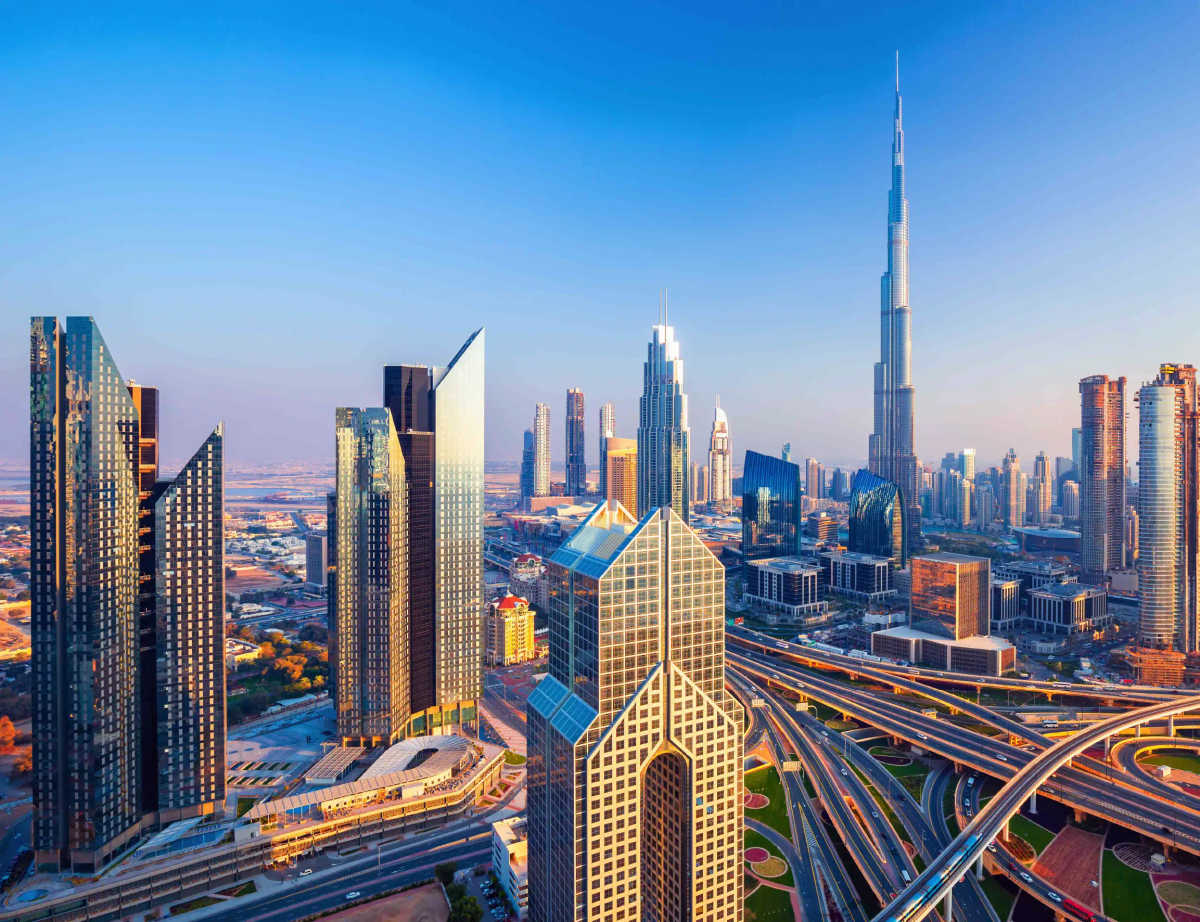
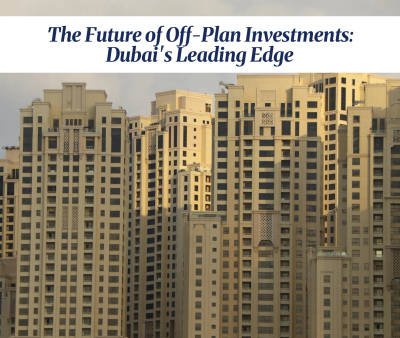
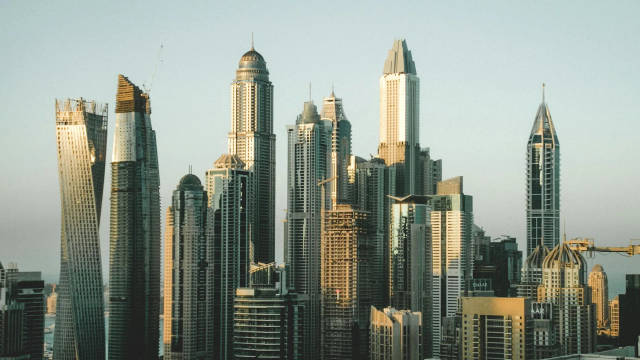
Dubai's real estate market stands as one of the most dynamic and vibrant sectors, drawing investors worldwide with its combination of luxury, innovation, and strategic location. Known for its iconic skyline, high-end residential properties, and lucrative commercial spaces, Dubai offers investors a unique opportunity to capitalize on the city's continuous development and tourism-driven economy. Over the years, Dubai's real estate market has evolved, with advancements in infrastructure and government policies fostering a favorable environment for both local and international investors. This sector not only promises significant capital appreciation but also offers rental income potential, making it an attractive choice for those seeking long-term wealth accumulation.

The diverse range of properties available in Dubai, from opulent villas on man-made islands to sleek, modern apartments in the heart of the city, caters to varied investor preferences and budgets. Off-plan properties have been particularly popular due to their lower initial costs and the ability to customize the property during its development phase. Additionally, favorable regulations, such as long-term residency visas and real estate investment incentives, continue to bolster investor confidence, encouraging a steady influx of capital into the market. For investors prioritizing steady income streams, Dubai's robust tourism sector ensures consistent demand for short-term rentals, facilitated by platforms like Airbnb, further enhancing the appeal of property investment.
However, investing in real estate is not without its challenges. The market is subject to fluctuations, influenced by macroeconomic conditions and geopolitical developments. While the potential rewards are significant, investors must also be mindful of market saturation in certain areas and the possibility of regulatory changes affecting property ownership or rental yields. Entry costs, including transaction fees, maintenance, and property management, can also impact profitability. Therefore, due diligence, market research, and a clear understanding of real estate trends are crucial for making informed investment decisions. Ultimately, a balanced approach, possibly integrating other investment vehicles, can help investors navigate the complexities of Dubai's real estate landscape.
Choosing the Right Investment: Key Considerations
Selecting the optimal investment vehicle in Dubai requires a thorough assessment of one's financial goals, risk tolerance, and market knowledge. Fixed deposits, with their stability and guaranteed returns, are well-suited for conservative investors focused on preserving capital and achieving modest growth. On the other hand, the share market appeals to those who possess a higher risk tolerance and are willing to manage and actively engage with their investments for the prospect of significant returns. In contrast, real estate offers a blend of capital appreciation and income generation potential, making it ideal for investors looking to diversify their portfolios and benefit from Dubai's thriving property sector.
Before making any investment decision, it's crucial for investors to evaluate their economic and personal circumstances. Factors such as current financial commitments, investment horizon, and liquidity needs all play a role in determining the most suitable investment option. Assessing these aspects ensures alignment between investment choices and financial objectives, ultimately supporting better decision-making. Investors should also consider consulting with financial advisors or real estate experts who can provide tailored advice based on current market conditions and future projections. Such insights can be invaluable in navigating the complexities of Dubai's investment landscape and optimizing portfolio performance.
Moreover, staying informed about market trends and economic developments is vital for any investor. Dubai's economic landscape is constantly evolving, influenced by global oil prices, trade policies, and international relations. These elements can significantly impact the performance of different investment classes. Keeping abreast of news and market analyses helps investors anticipate changes and make timely adjustments to their strategies. Another consideration is the role of income diversification, which can mitigate risks and enhance returns. By allocating assets across FDs, shares, and real estate, investors can balance stability with growth potential, ensuring a more resilient and adaptable portfolio tailored to market dynamics.
Frequently Asked Questions
Q1. Is investing in Dubai real estate profitable?
Yes, Dubai's real estate market offers potential for capital appreciation and rental income, especially with its thriving tourism sector and investor-friendly regulations.
Q2. What are the risks involved in the share market?
The share market is subject to volatility due to economic and geopolitical events. In-depth research and portfolio diversification are key to managing these risks.
Q3. How safe are fixed deposits in Dubai?
Fixed deposits are considered very safe, with banks in Dubai offering competitive interest rates and robust regulatory oversight ensuring deposit security.
Q4. How does diversification help in investment?
Diversification spreads risk across different asset types like FDs, stocks, and real estate, balancing the portfolio with both low-risk and high-reward potentials.
Q5. What is the impact of economic changes on investments?
Economic shifts, like fluctuating oil prices or trade policies, can affect investment performance, highlighting the importance of staying informed and flexible in strategies.