


Dubai's Real Estate Growth Trajectory
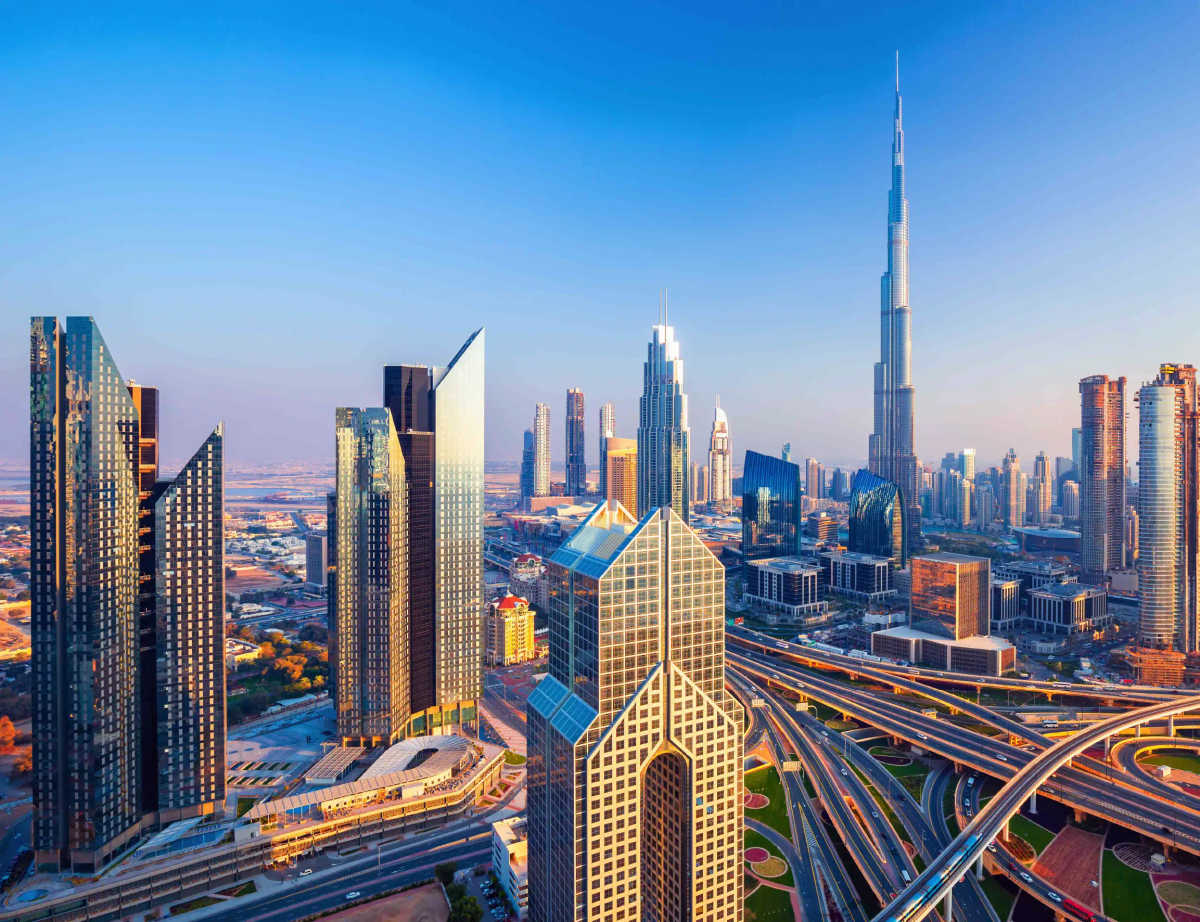
Dubai's real estate sector has seen unprecedented growth over the past two decades, transforming from a modest trading outpost into a gleaming metropolis. By 2026, the emirate is poised to further solidify its position as a global real estate powerhouse. The city's strategic location, coupled with its political stability and visionary leadership, has cemented its appeal to international investors. Infrastructure projects such as the expansion of Al Maktoum International Airport and the completion of the Dubai Metro's Route 2020 highlight the relentless forward momentum driving growth. As such, prospective buyers in 2026 can expect an environment ripe with opportunities, supported by ongoing governmental initiatives to enhance investment appeal.
The Emirate of Dubai also fosters a thriving business ecosystem that supports the real estate market's continued growth. The establishment of free zones has been pivotal in attracting foreign businesses, offering tax incentives and full foreign ownership, which in turn boosts demand for commercial properties. By 2026, the synergy between business expansion and real estate development is expected to further flourish, with a seamless integration of modern workspace solutions amid a rich cultural tapestry. Additionally, the upcoming World Expo, although delayed to 2021, still has lasting effects that will benefit the economy well into the following years, aligning well with the investment goals in 2026.
Dubai's vision doesn't just rest on grandeur and spectacle; it's deeply rooted in sustainability. By 2026, this will be evident in the city's green building initiatives and eco-friendly urban planning. The introduction of green certificates and incentives for developers to adhere to sustainable practices is shaping a new wave of real estate offerings that not only meet modern environmental standards but also cater to an increasingly eco-conscious buyer base. Investors should consider the long-term benefits of these initiatives, as sustainable properties are likely to experience increased demand and appreciation.
Emerging Investment Hotspots
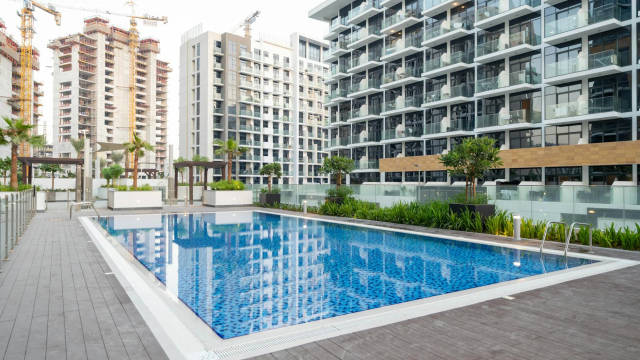
Several key areas in Dubai are set to become real estate investment hotspots by 2026. Dubai South, with its proximity to the Expo 2020 site and Al Maktoum International Airport, is emerging as a vibrant community filled with promise. The development plan for Dubai South emphasizes sustainable living, blending residential, commercial, and leisure facilities. As a smart city initiative, it’s designed to attract innovative businesses and talent from across the globe. This integrative approach ensures sustained growth and offers potentially rewarding investment returns, particularly with increased airport traffic and logistical development projects expected to drive demand.
In addition to Dubai South, the Dubai Creek Harbour is positioned to be another focal point for real estate investment. Touted as the future face of Dubai, this district combines luxury living with cutting-edge ecological planning. Upon completion, it will incorporate the world's tallest twin towers, a marina, and a world-class shopping destination, all set against the backdrop of the scenic Ras Al Khor Wildlife Sanctuary. With its unique blend of nature and urban living, Dubai Creek Harbour promises to attract luxury property investors seeking exclusive, high-value investments in an illusive location that encompasses Dubai’s traditional roots while embracing modern innovation.
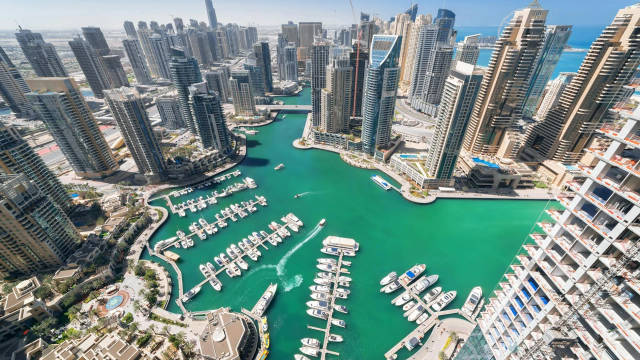
Business Bay is another area not to be overlooked. As the economic heart of Dubai, this bustling area has been likened to the Manhattan of the Middle East. By 2026, continued developments are anticipated, ensuring it retains its status as a top destination for property investment across residential and commercial sectors. Enhanced by the Dubai Canal, Business Bay offers a total live-work-play environment. Proximity to Downtown Dubai and direct access to key transport routes further bolsters its supremacy as a strategic investment location. Prospective buyers should consider the compounded benefits that this urban revival will bring to the area, potentially translating into lucrative returns.
Factors Driving Market Demand
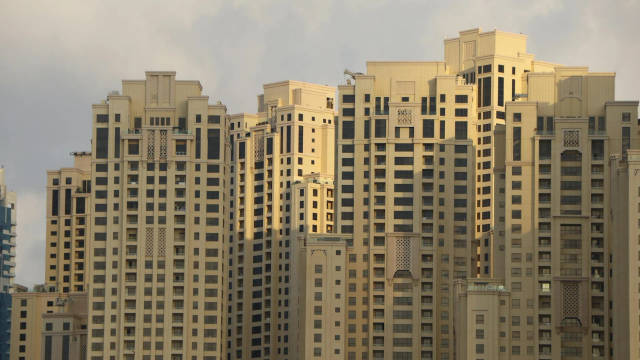
With a growing expat population and a young demographic profile, Dubai's demand for accessible and quality housing continues to soar. By 2026, industry experts predict a notable shift in preference towards mid-market housing, opening new opportunities for investors aiming for a broader market reach. The government's proactive measures, such as relaxing property laws, introducing long-term residency visas, and offering 100% business ownership, are key drivers stimulating this demand. Additionally, these policies facilitate an appealing environment for expatriates to settle, thereby fueling a consistent demand curve in the housing market.
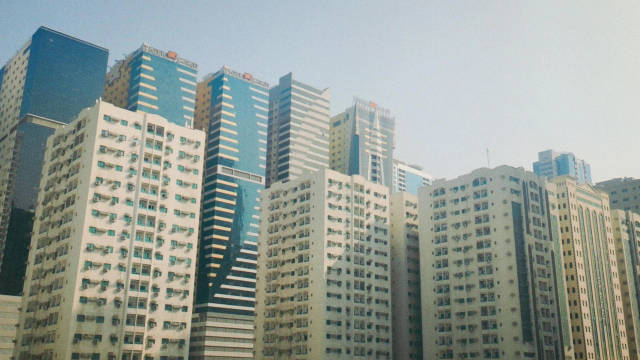
Dubai's strategic economic diversification plans, aiming to reduce its reliance on oil, have paved the way for numerous sectoral advancements that directly impact real estate demand. The city's emphasis on technology, tourism, and financial services acts as a magnet pulling skilled professionals from around the world. This influx of talent necessitates an equally dynamic supply of residential and commercial properties, creating a virtuous cycle sustaining the real estate market. Smart city initiatives, such as increased digitization in property transactions and state-of-the-art amenities, are aligning with contemporary demands, reflecting a mature market adapting to global trends.
Tourism remains a formidable pillar in Dubai's economic framework, significantly influencing the real estate market. By 2026, continued investment in tourism infrastructure is likely to spur demand in both the hospitality sector and short-term rental markets. The ambitious 'Tourism Vision 2025' aims to strengthen Dubai's appeal, setting a target of welcoming 25 million annual visitors. This traveler influx naturally extends to increased demand for rental properties, benefitting investors who opt for short-let formats. Diversifying one's portfolio to include properties tailored for tourism can yield substantial dividends, augmenting traditional long-term rental models.
Navigating Investment Challenges
While Dubai offers compelling investment prospects, prospective buyers must navigate certain challenges by 2026. Market volatility is inherent in the real estate sector, influenced by both domestic factors and global economic conditions. Currency fluctuations, for instance, can affect profitability for international investors. Understanding these dynamics and implementing strategic measures such as hedging can mitigate associated risks. Additionally, investors must remain aware of the evolving regulatory landscape, ensuring compliance with property laws, tax implications, and the broader economic environment.
The drive towards embracing technology in Dubai's real estate market requires investors to remain nimble and informed about digital advancements. From blockchain used in property transactions to AI-driven property management, staying at the forefront of tech trends is crucial. Potential buyers must adapt by leveraging technological tools to not only streamline processes but also gain insights through data analytics. Employing sophisticated investment strategies anchored by real-time data will enhance decision-making and capitalize on opportunities available in the fast-evolving environment.
Prospective buyers should also consider the impact of social and environmental factors on investment outcomes. The market is increasingly leaning towards investments that integrate social responsibility and environmental consciousness. Understanding Dubai's sustainability goals and how emerging regulations affect property valuations is fundamental for long-term success. As regulations tighten, properties adhering to green standards will likely achieve higher asset value, reduced operational costs, and increased tenant demand—an advantageous scenario for investors committed to forward-thinking, ethical investment practices.
Frequently Asked Questions
Q1. What makes Dubai a strong investment hub?
Dubai offers strategic location, political stability, a thriving business environment, and extensive infrastructural developments, creating a robust market for real estate investors.
Q2. Which areas in Dubai are promising for real estate investment?
Dubai South, Dubai Creek Harbour, and Business Bay are emerging as prime investment locations due to their strategic developments and growing infrastructure.
Q3. How does Dubai's real estate market cope with volatility?
Prospective buyers should adapt through strategic planning, such as currency hedging and staying abreast of regulatory changes and market trends to cope with volatility.
Q4. What role does tourism play in Dubai's real estate demand?
Tourism significantly boosts demand for hospitality and rental properties, with strategic growth in infrastructure promising continued attraction of visitors and investment opportunities.
Q5. Why is technological adoption important for real estate investors?
Adopting technology such as blockchain and AI in real estate offers efficiencies in transactions and management, enhancing decision-making and investment returns.